


Wheel loader vs Excavator
In most cases we always see a truck arrives at a construction site and waits beside a large pile of excavated soil.
Two machines are available: a wheel loader and an excavator. Both can fill the truck, but which one should the site supervisor choose?
At first glance, the answer may seem obvious. Both machines have powerful engines, large buckets and the ability to move heavy materials.
However, choosing the wrong machine can slow down operations, increase fuel consumption and affect overall productivity.
This is where understanding the difference between a Wheel Loader vs Excavator becomes important.
Although both machines perform loading operations, their designs, working methods and strengths make them suitable for different situations.
Wheel Loader vs Excavator: Lets Understand their loading Capabilities
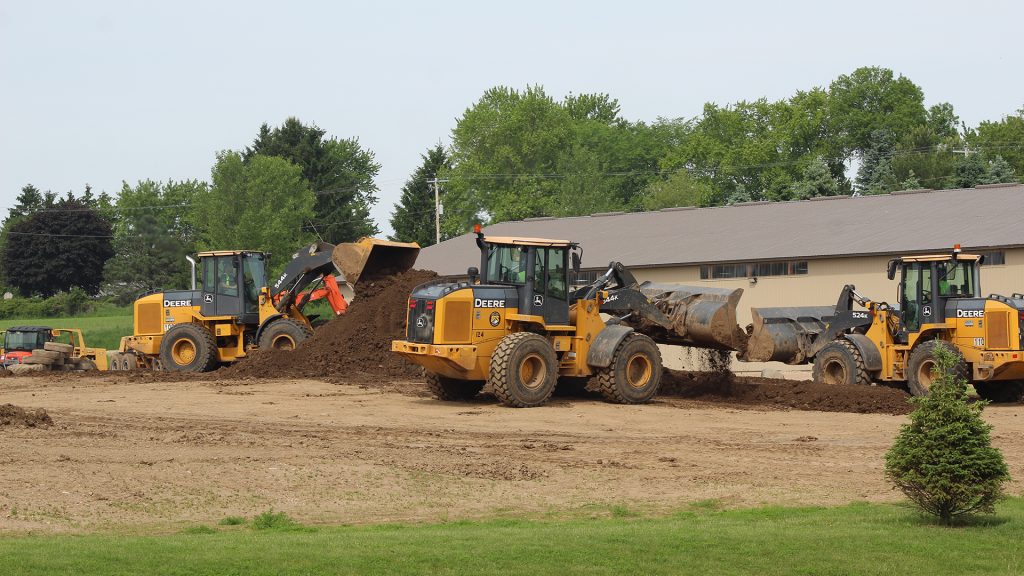
A wheel loader is designed primarily to scoop, lift and transport loose materials over relatively short distances.
Its front-mounted bucket moves into a material pile, collects the load and raises it before emptying it into a waiting truck.
Its articulated steering allows it to manoeuvre around busy construction sites, making it particularly useful where repeated loading cycles are required.
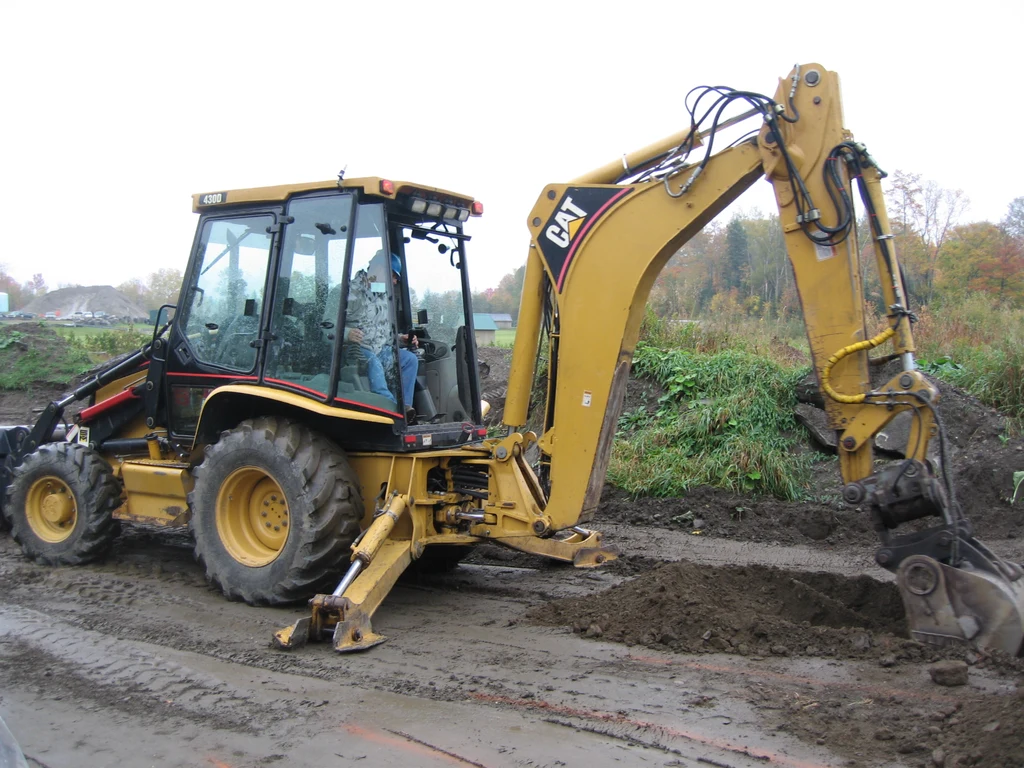
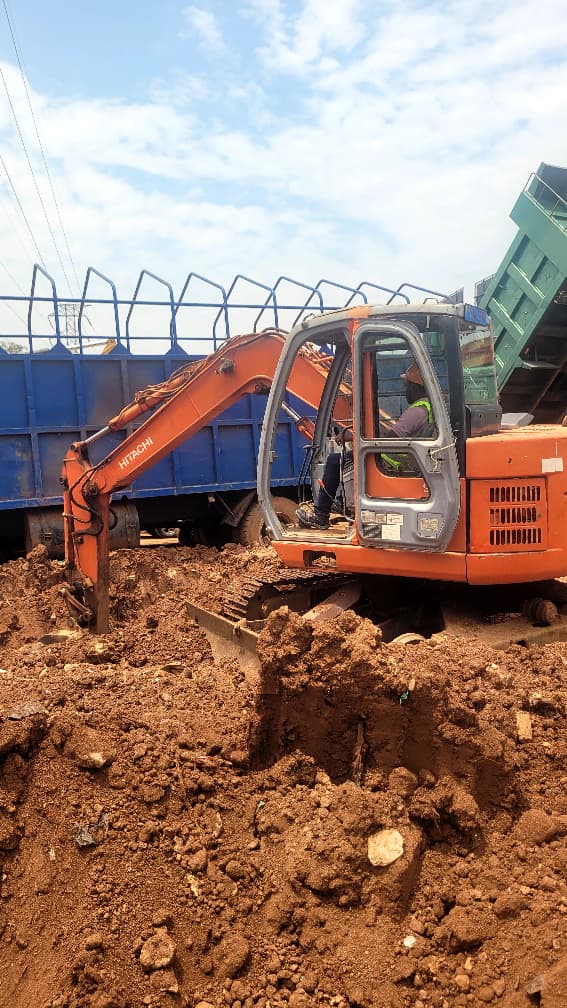
An excavator works differently. It uses a boom, arm and bucket to dig, lift and move materials. Its ability to rotate its upper structure allows it to load trucks without constantly repositioning the entire machine.
This makes it especially useful when materials need to be excavated before they can be loaded.
The key difference in the Wheel Loader vs Excavator comparison is that a wheel loader is primarily designed for material handling, while an excavator combines digging and loading capabilities.
When should you use a wheel loader?
Imagine a quarry where crushed stones have already been collected into a large stockpile. Several dump trucks arrive throughout the day to transport the material.
The operator needs to load each truck quickly and maintain a steady working rhythm. This is an ideal situation for a wheel loader.
Its bucket can collect loose materials directly from the stockpile, lift them and discharge them into trucks.
Because it is designed for repeated loading cycles, it can be highly productive when handling materials such as sand, gravel, crushed stones, murram and soil.
Wheel loaders are also useful in construction yards, warehouses, agricultural operations and material processing facilities. Their mobility makes them suitable for moving materials between nearby locations.
In the Wheel Loader vs Excavator comparison, the wheel loader is often the better option when the material is already loose, accessible and ready for collection.
When is an excavator the better choice?
Now consider a different construction site. A contractor needs to clear an area, remove compacted soil and load the excavated material into dump trucks.
The material is not sitting in a ready-made stockpile. It must first be dug out of the ground. An excavator is better suited to this operation.
Its boom and arm allow the operator to reach into the ground, break into soil and collect materials from different depths. Once the bucket is filled, the operator can swing the machine and discharge the material into a waiting truck.
Excavators are particularly useful in road construction, drainage works, trench excavation, demolition and land clearing.
They can also load loose materials, although their performance depends on the working arrangement, bucket size and distance between the machine and the truck.
This explains why the Wheel Loader vs Excavator decision should not depend on bucket capacity alone. The nature of the work matters just as much.
Which machine loads trucks faster?
There is no universal answer because loading speed depends on several factors, including material type, bucket capacity, machine size, operator experience, ground conditions and truck positioning.
For repeated loading from an accessible stockpile, a wheel loader can achieve efficient loading cycles because it is designed to scoop and carry material. An excavator may have an advantage where digging is necessary before loading begins.
The Wheel Loader vs Excavator comparison therefore comes down to the actual task rather than which machine appears more powerful.
A contractor should also consider fuel consumption, machine availability, operating costs and the amount of material that must be moved within a given period.
Selecting equipment that matches the work can reduce unnecessary movement and improve site productivity.