


Mobile Crane Safety: 8 Essential Things Operator Must Know Before Lifting
Mobile Crane Safety: 8 Essential Things Operator Must Know Before Lifting
Mobile Crane Safety
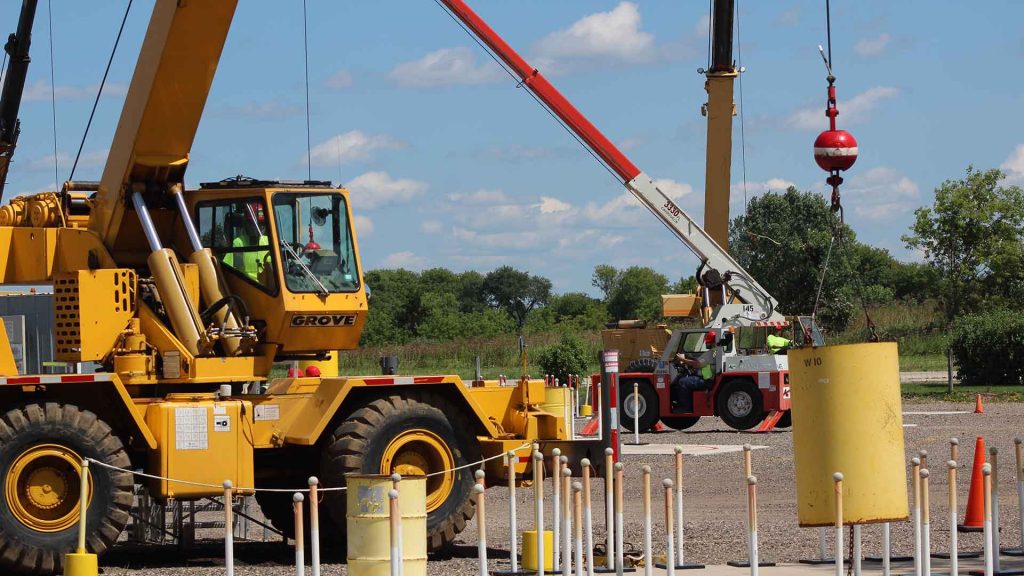
Did you Know that a grue mobile can lift a load weighing several tonnes with remarkable precision. But, one incorrect estimate, one poorly positioned outrigger, or one overlooked danger can turn an ordinary lifting operation into a serious accident.
So, before a mobile crane lifts its first load, what must the operator know to protect the machine, the people nearby, and the entire worksite?
The answer goes far beyond knowing how to operate the controls. Safe mobile crane operation requires planning, technical knowledge, constant communication, and the ability to recognize danger before it develops.
Whether you are lifting construction materials, positioning heavy machinery, or supporting an industrial project, every movement must follow a clear safety procedure.
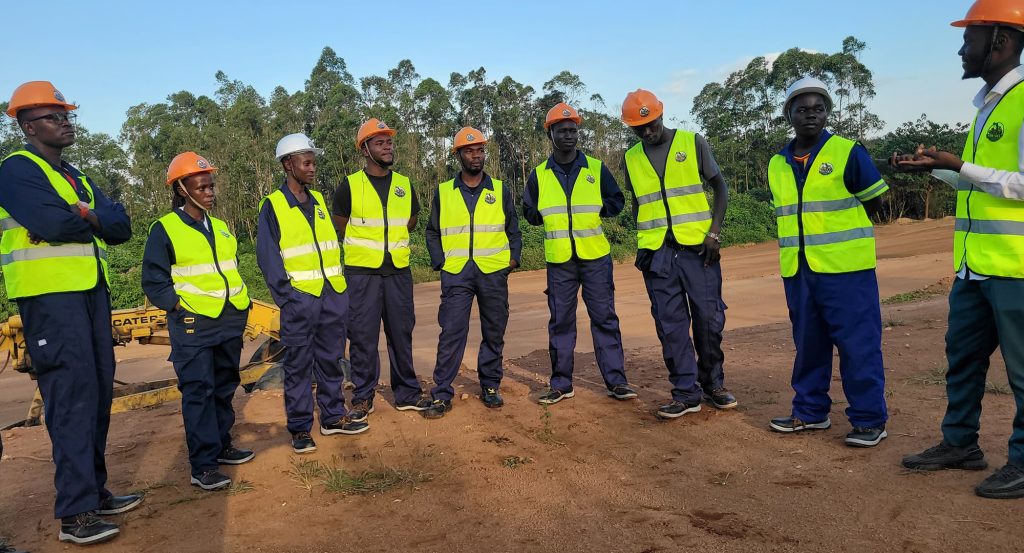
Now at Friendly Heavy Equipment and Machinery Training School (FHEMTS), mobile crane safety is an essential part of developing operators who understand that successful lifting is not simply about moving a load. It is about completing the task without putting lives or equipment at risk.
Here are the 8 Mobile Crane Safety things you must understand before lifting
Understand the Crane before operating It
Every mobile crane has specific operating limits, controls, safety devices, and maintenance requirements. Although different cranes may perform similar lifting tasks, their capacities and operating procedures are not necessarily the same.
Before starting work, an operator must understand the crane’s controls, boom sections, hoist system, counterweights, outriggers, lifting hook, and warning devices.
The operator should also know how to stop the machine safely and respond if an alarm or safety indicator signals a problem.
The manufacturer’s operating manual is particularly important because it explains the requirements for the specific crane being used.
An operator should never assume that experience with one machine automatically qualifies them to operate another. Knowing the machine is the first step. Knowing what the machine can safely do is the next.
Inspect the Crane before every shift
What if a hydraulic hose develops a leak overnight, or a wire rope becomes damaged during the previous lifting operation? Starting work without identifying such defects could expose the operator and ground crew to unnecessary danger.
A pre-operation inspection helps identify problems before the crane carries a load. The operator should check the tyres, brakes, hydraulic hoses, fluid levels, boom sections, wire ropes, hooks, safety latches, lifting controls, and visible structural components.
The operator should also confirm that the relevant warning systems and safety devices are functioning correctly. Any defect that could affect safe operation must be reported and assessed before lifting begins.
A damaged hook, faulty brake, leaking hydraulic system, or compromised wire rope is not a problem to ignore until the end of the day.
Inspection is not a routine to complete carelessly. It is an opportunity to identify a risk while the machine is still stationary and the consequences are easier to control. By doing it reflects how you putting into consideration of mobile crane safety rules
Know the load and read the load chart
One of the most important responsibilities of a mobile crane operator is understanding how much weight the crane can safely lift under the actual working conditions.
A crane’s maximum rated capacity does not apply to every boom position or lifting distance. Its safe capacity changes with factors such as boom length, boom angle, load radius, crane configuration, and the position of the outriggers.
The load chart provides the information needed to determine the permitted capacity for the relevant setup. Before lifting, the operator and lifting team must establish the load’s weight as accurately as possible.
They must also account for lifting accessories, including slings, shackles, hooks, and other attachments, as required by the crane’s load chart and operating instructions.
Consider a crane preparing to lift a heavy machine component. The load may appear manageable when it is close to the crane, but moving it farther away increases the working radius and can reduce the crane’s lifting capacity.
If the operator ignores this change, the crane could become unstable or suffer structural failure. A safe operator checks the load chart before the lift and whenever the relevant operating conditions change.
“Never guess the weight, exceed the rated capacity, or rely on the appearance of a load to judge whether it is safe to lift”.
Choose a stable position and set up the outriggers correctly
Even a well-maintained crane can become dangerous if it stands on unsuitable ground. Soft soil, loose fill, hidden underground services, drainage channels, and uneven surfaces can affect the crane’s stability when the load comes off the ground.
Before positioning the crane, the operator and site team should assess the ground conditions and identify potential obstructions.
The crane must be positioned and levelled according to the manufacturer’s requirements, with adequate clearance for the boom, load, and surrounding structures.
Where the crane uses outriggers, they must be deployed according to the operating instructions. Appropriate support mats or other approved load-spreading materials may be necessary to distribute the crane’s weight safely over the ground.
The operator must not assume that firm-looking soil can support the full load. A crane that settles on one side during lifting can lose stability rapidly.
That is why correct positioning, suitable ground support, and proper outrigger setup must be confirmed before the operator begins the lift.
Keep clear of power lines and other obstacles
Power lines are among the most serious hazards around crane operations. A boom, lifting cable, or suspended load that contacts an energized line can expose the operator and ground crew to potentially fatal electric shock.
Before lifting, inspect the entire work area for overhead power lines, buildings, trees, scaffolding, and other obstructions. The lifting team must establish the required clearance from electrical lines according to applicable regulations, the voltage involved, and the approved work plan.
If safe clearance cannot be maintained, the lift must not proceed until suitable controls are in place. The operator must also consider the crane’s swing radius.
As the upper structure rotates, it can strike nearby objects or trap workers between moving parts and fixed structures. Barriers, warning signs, and clearly marked exclusion zones help prevent people from entering dangerous areas.
Never assume that a load is safe to move simply because it clears the ground. The entire lifting path must remain safe from the beginning of the lift to the moment the load is securely placed.
Cours de formation suggérés
Communicate clearly with the lifting team
A mobile crane operator cannot always see the load, the landing point, and every worker around the machine at the same time. A trained signal person or appointed lifting team may therefore be needed to guide the operation.
Before lifting begins, the team should agree on the communication method, hand signals, radio channel where applicable, and the person authorized to direct the lift. Signals must be clear and understood by everyone involved.
If the operator loses sight of the signal person, receives conflicting instructions, or cannot understand a signal, the movement should stop until communication is restored. Any worker who identifies an immediate danger should be able to raise the alarm.
Good communication prevents confusion when the load is being raised, lowered, rotated, or moved into a confined space. It also helps the team respond quickly when conditions change.
Control the load throughout the lift
Once a load leaves the ground, the operator must remain alert to changes in its movement and the crane’s response.
Sudden movements, uncontrolled swinging, side pulling, and abrupt braking can create dangerous forces and place unnecessary stress on the equipment.
The operator should lift smoothly, keep the hoist line properly aligned with the load, and avoid dragging a load sideways with the boom. Workers must never stand beneath a suspended load or enter its fall zone.
Loads should be secured with suitable lifting accessories selected and inspected by competent personnel. Wind is another important consideration, particularly when lifting large or broad materials that can catch the wind.
Operators must follow the manufacturer’s wind limits and site procedures, taking account of the load’s shape and the conditions at the lifting location.
If the load begins to swing unexpectedly, the crane becomes unstable, weather conditions deteriorate, or an unsafe condition develops, the operator must stop and follow the approved procedure.
“Finishing the lift quickly is never more important than controlling the risk”.
Know when to stop the operation
A skilled crane operator does not continue lifting simply because a job is behind schedule. The operator must recognize when the conditions no longer support safe work.
Unexpected ground movement, equipment faults, poor visibility, loss of communication, excessive wind, an uncertain load weight, or people entering the exclusion zone can all require the operation to stop.
The team should reassess the situation, correct the problem, and resume only when the necessary safety controls are confirmed.
After completing a lift, the operator should lower and secure the load safely, park and shut down the crane according to the manufacturer’s instructions, and report any faults or unusual machine behaviour. Good operating practice continues after the load reaches the ground.
Have you ever asked yourself why Mobile Crane Safety Training is Important
Operating a mobile crane requires more than confidence behind the controls. An operator must understand load charts, machine inspections, lifting accessories, ground conditions, electrical hazards, communication signals, and safe operating procedures.
Practical training helps turn this knowledge into good decisions on the job. It also gives trainees the opportunity to learn how the crane responds to different operating conditions under appropriate supervision.
À FHEMTS, we emphasize safety awareness and practical skills that help prepare trainees for heavy equipment operations.
If you want to develop your mobile crane operating knowledge, inscrire with FHEMTS to ask about training, course requirements, and available schedules.
Before the next load leaves the ground, ask yourself: have you checked the crane, confirmed the load, secured the work area, and communicated with the team? Always have it in mind that a safe lift begins long before the operator touches the controls.
Partagez la publication :

