



Vous n'avez jamais conduit de voiture. Vous n'avez jamais exploité un pelle, un chariot élévateur ou une chargeuse sur pneus, et peut-être que l'idée de s'asseoir derrière les commandes d'une machine puissante vous semble complètement hors de votre portée.
Mais n’avoir aucune expérience de conduite signifie-t-il que vous ne pouvez pas apprendre à utiliser des machines lourdes ? Not at all- De nombreuses personnes qui commencent une formation en machinerie lourde ont peu ou pas d’expérience dans l’utilisation d’équipements lorsqu’ils entrent pour la première fois dans une école de formation.
Ce qui fait la différence n'est pas si vous savez déjà conduire, mais si vous êtes prêt à apprendre, pratiquer et suivre les procédures d'exploitation appropriées.
Apprendre à conduire de la machinerie lourde est une compétence qui se développe progressivement. Grâce à un enseignement structuré, une formation pratique et une supervision, un débutant complet peut apprendre comment fonctionnent les machines, comprendre leurs commandes et développer progressivement la confiance nécessaire pour les utiliser de manière responsable.
L'expérience de conduite est-elle importante lors de l'apprentissage des machines lourdes
Avoir une expérience de conduite antérieure peut certainement vous aider à vous sentir plus à l'aise avec des concepts de base tels que la direction, le freinage, l'accélération et la compréhension du mouvement autour d'une machine.
Cependant, conduire une voiture et conduire des machines lourdes ne sont pas la même compétence. Une voiture est principalement conçue pour transporter des personnes, tandis que les machines de construction et industrielles sont conçues pour effectuer des tâches spécifiques.
Une excavatrice doit creuser, faire pivoter et positionner des matériaux ; une chargeuse sur pneus doit s'approcher, ramasser, soulever et décharger des charges ; tandis qu'un chariot élévateur doit manœuvrer et positionner soigneusement les charges dans les limites de sa capacité nominale.
En raison de ces différences, même un conducteur automobile expérimenté a toujours besoin d’une formation appropriée avant d’utiliser des machines lourdes.
Un débutant ne part donc pas forcément désavantagé. Au lieu de cela, ils apprennent les bonnes techniques dès le début plutôt que d’avoir à remplacer des habitudes dangereuses acquises ailleurs.
Qu'apprend-on en premier en tant que débutant
Avant toi
Vous devez savoir ce que les principaux composants le font, où le cles commandes sont situées et comment différents systèmes affectent la machine
Sécurité est une autre partie importante du processus d’apprentissage. En tant que débutant, vous devez comprendre les risques liés au déplacement d'équipements, piétons, angles morts, accessoires, charges, terrain irrégulier et d'autres conditions de travail.
À partir de là, vous pouvez alors commencer à apprendre les commandes et les mouvements de base sous supervision. Par exemple, une personne qui apprend à utiliser une chargeuse sur pneus peut initialement se concentrer sur des mouvements simples tels que diriger, arrêter, faire marche arrière et contrôler le godet. À mesure que la confiance se développe, ces compétences de base peuvent être combinées dans des tâches opérationnelles plus complètes.
Cette approche progressive est importante car les machines lourdes ne doivent jamais être considérées comme quelque chose qui peut être maîtrisé simplement en étant assis dans le siège de l'opérateur.
Pouvez-vous apprendre la machinerie lourde sans savoir conduire une voiture
Oui, même si l’approche de formation devra peut-être être plus progressive. Si vous n'avez jamais conduit auparavant, vous aurez peut-être besoin de plus de temps pour comprendre les mouvements de base, la coordination de la direction et le positionnement de la machine.
Ce n'est pas nécessairement un problème. Bien formation pratique Il faut reconnaître que les stagiaires ne débutent pas tous au même niveau. L’important est d’éviter de se précipiter.
Si tu
C’est l’une des raisons pour lesquelles les expositions pratiques sont si importantes lors de l’apprentissage du fonctionnement de machines lourdes. Vous ne devenez pas confiant simplement en lisant sur une machine. Vous développez votre confiance en apprenant la procédure correcte et en l'appliquant à plusieurs reprises sous une supervision appropriée.
Les machines lourdes sont-elles difficiles à utiliser
Certaines machines sont plus complexes que d’autres et chaque machine nécessite sa propre formation. Il ne faut cependant pas confondre difficulté et impossibilité.
Une machine peut paraître intimidante lorsque vous voyez pour la première fois toutes ses commandes, pédales, leviers et systèmes d'avertissement. Cependant, une fois que chaque fonction est expliquée et démontrée, les commandes commencent à avoir plus de sens.
Pensez à apprendre à faire du vélo. Au début, équilibrer, diriger et pédaler en même temps peut sembler peu naturel. Avec la pratique, votre corps s’habitue progressivement aux mouvements.
L'utilisation de machines lourdes est différente et considérablement plus exigeante en raison de la taille, du poids et des risques encourus, mais le principe de l'apprentissage progressif est similaire.
Vous apprenez une compétence, la pratiquez, recevez une correction, puis développez-la. C’est bien plus efficace que d’attendre d’un débutant qu’il maîtrise tout en une seule séance.
Qu'en est-il de quelqu'un qui n'a jamais utilisé de machine auparavant
C’est là qu’une formation adéquate devient particulièrement importante. En tant que débutant complet, vous ne savez peut-être pas comment effectuer une inspection avant utilisation, identifier les composants de base de la machine ou reconnaître une condition de fonctionnement dangereuse.
Ce ne sont pas des choses que tu
Avant d'utiliser un chariot élévateur, vous pouvez vous renseigner sur la capacité de charge, la stabilité, les fourches, le mouvement du mât et les manœuvres sécuritaires. à partir de là, vous développez bien plus que la simple capacité de déplacer la machine.
Vous commencez à comprendre pourquoi la machine doit être utilisée d'une manière particulière. Cette compréhension est essentielle pour développer des opérateurs responsables.
Pourquoi la formation pratique est importante pour les débutants
Imaginez apprendre à utiliser une excavatrice entièrement à partir d’un manuel. Vous pourriez mémoriser les noms des commandes, comprendre le but de la flèche et du bras et même décrire la procédure d'excavation correcte. Mais quand tu t'assois enfin dans l'opérateur
Vous devrez coordonner plusieurs contrôles tout en surveillant l'accessoire, l'environnement et la position de la machine. C'est pourquoi la formation pratique est importante.
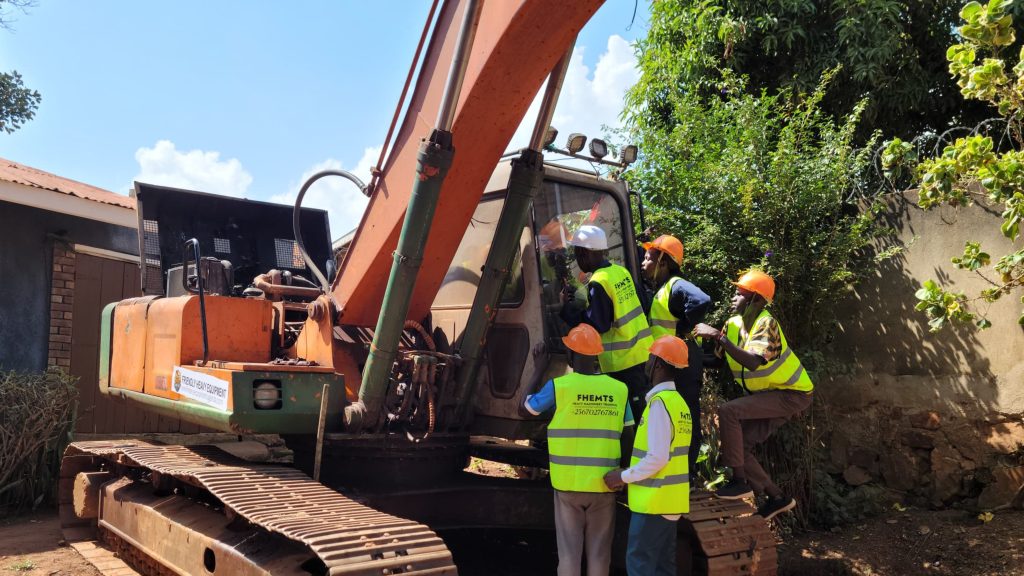
Vous devez avoir l'opportunité de découvrir comment la machine réagit à différents mouvements pendant qu'un instructeur supervise et apporte des corrections. Les erreurs peuvent alors être identifiées et corrigées avant qu’elles ne deviennent des habitudes.
Si vous n’avez aucune expérience en matière de conduite automobile, une formation pratique peut s’avérer particulièrement utile car elle offre la possibilité de se familiariser progressivement.
Quelles compétences devriez-vous développer en tant que débutant
L’apprentissage du fonctionnement des machines lourdes implique plusieurs compétences au-delà du simple contrôle de la machine. L’un des plus importants est la connaissance des machines. Il faut comprendre la machine
Un autre aspect est la connaissance de la situation. Vous devez surveiller les personnes, les véhicules, les structures, le terrain et les autres dangers autour de la machine.
La communication est également importante, en particulier sur les chantiers de construction très fréquentés où les opérateurs peuvent travailler aux côtés du personnel au sol, des superviseurs, des chauffeurs de camion et d'autres opérateurs d'équipement.
Vous devez également développer la capacité de reconnaître un comportement inhabituel de la machine. Les bruits étranges, les voyants d’avertissement, les fuites, les vibrations anormales ou les changements de performances ne doivent pas être simplement ignorés.
Ces compétences aident à transformer une personne capable de déplacer une machine en un opérateur qui comprend la responsabilité qui découle de son utilisation.
Quelles machines lourdes pouvez-vous apprendre en tant que débutant
Vous pouvez vous former sur différents types d’équipement lourd en fonction de leurs objectifs de carrière, des opportunités de formation et des exigences de l’équipement qu’ils ont l’intention d’utiliser.
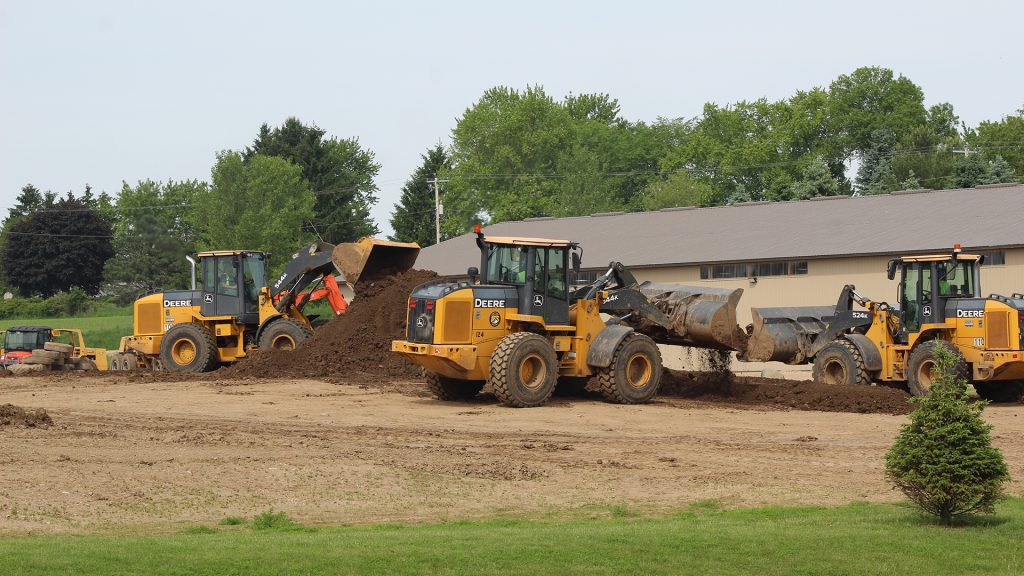
Les options courantes incluent excavators, chariots élévateurs, chargeuses sur pneus, bulldozers, niveleuses, tracteurs, grues mobiles et tracteur-chargeur-rétrocaveuse.
Cependant, le fait que vous puissiez éventuellement apprendre plusieurs machines ne signifie pas que vous devez essayer de toutes les apprendre simultanément. Chaque machine possède des commandes, des techniques de fonctionnement, des considérations de sécurité et des applications différentes.
Se concentrer sur une machine à la fois peut vous permettre de développer des compétences plus solides avant de passer à un autre type d’équipement. Ceci est particulièrement important pour vous qui êtes encore en train de développer une confiance opérationnelle de base.

Et si tu
Se sentir nerveux au début est tout à fait compréhensible. Vous apprenez à contrôler des équipements pouvant peser plusieurs tonnes et vous êtes conscient qu'un mauvais fonctionnement peut avoir de graves conséquences.
Cette prise de conscience peut en réalité être utile car elle vous encourage à prendre la formation au sérieux. La solution n’est pas d’éliminer immédiatement toutes les erreurs.
La solution est d’apprendre dans un environnement contrôlé où les erreurs peuvent être identifiées et corrigées sous supervision. Toi
Pouvez-vous devenir opérateur professionnel si vous commencez en tant que débutant complet
Oui, mais pour devenir opérateur professionnel, il ne suffit pas de suivre quelques séances pratiques. Vous avez besoin d’une pratique constante, d’une instruction appropriée, d’une sensibilisation à la sécurité et d’une volonté de continuer à apprendre après la formation.
Votre premier objectif doit être de comprendre la machine et de la faire fonctionner en toute sécurité. Avec l’expérience, vous pourrez progressivement devenir plus efficace, améliorer votre précision et apprendre à adapter votre opération aux différentes conditions de travail.
Les employeurs apprécient également les opérateurs qui s'occupent de l'équipement plutôt que de simplement faire le travail. Un opérateur qui effectue des inspections, signale les défauts, suit les procédures du site et traite la machine de manière responsable peut devenir un membre beaucoup plus précieux d'une équipe de construction ou industrielle.
Que devez-vous rechercher lorsque vous choisissez une formation sur les machines lourdes
Si vous n’avez jamais conduit auparavant, choisir le bon environnement de formation devient particulièrement important. Recherchez une formation qui vous donne à la fois une compréhension théorique et une exposition pratique.
Vous devriez avoir l'occasion d'en apprendre davantage sur les commandes des machines, les procédures de sécurité, les inspections et les techniques d'exploitation plutôt que d'être simplement placé derrière les commandes.
Les séances pratiques doivent également être encadrées, permettant à un instructeur d'observer vos progrès et de corriger vos erreurs. Il est tout aussi important de comprendre quel type de certificat ou d’évaluation vous recevrez après avoir terminé la formation et s’il répond aux exigences liées au travail que vous souhaitez exercer.
L’objectif ne doit pas simplement être de terminer l’entraînement. L’objectif devrait être de repartir avec des connaissances, des compétences pratiques et une meilleure compréhension de vos responsabilités en tant qu’opérateur.
Conclusion
Aujourd’hui, vous ne savez peut-être pas à quoi sert un contrôle particulier. Après la formation, vous pourrez comprendre sa fonction. Avec de la pratique, vous pourrez l'utiliser correctement. Avec une expérience continue, vous pouvez commencer à utiliser la machine avec plus de confiance et de précision. C'est ainsi que se développent les compétences.
Êtes-vous prêt à commencer votre voyage ? Si vous évitez la formation sur les machines lourdes parce que vous n'avez jamais conduit auparavant, ne
À l’école conviviale de formation en équipements lourds et en machines (FHEMTS), les débutants peuvent développer leur compréhension grâce à une formation structurée et à une exposition pratique conçues pour développer les compétences nécessaires à une utilisation responsable de la machine.
Votre première expérience derrière les commandes doit bien commencer quelque part. Inscrire avec FHEMTS aujourd'hui et faites le premier pas vers l'apprentissage du fonctionnement des machines lourdes.

