How to Improve Precision When Operating Heavy Machinery
How to Improve Precision When Operating Heavy Machinery
How to improve precision
In most cases we see an experienced machine operator moves a bucket,blade, fork, or load into exactly the right position but have you ever wondered how they make it look so easy? Is it the machine, years of experience, or a skill that can actually be learned?
The truth is, precision is one of the most valuable skills you can develop as a heavy machinery operator.
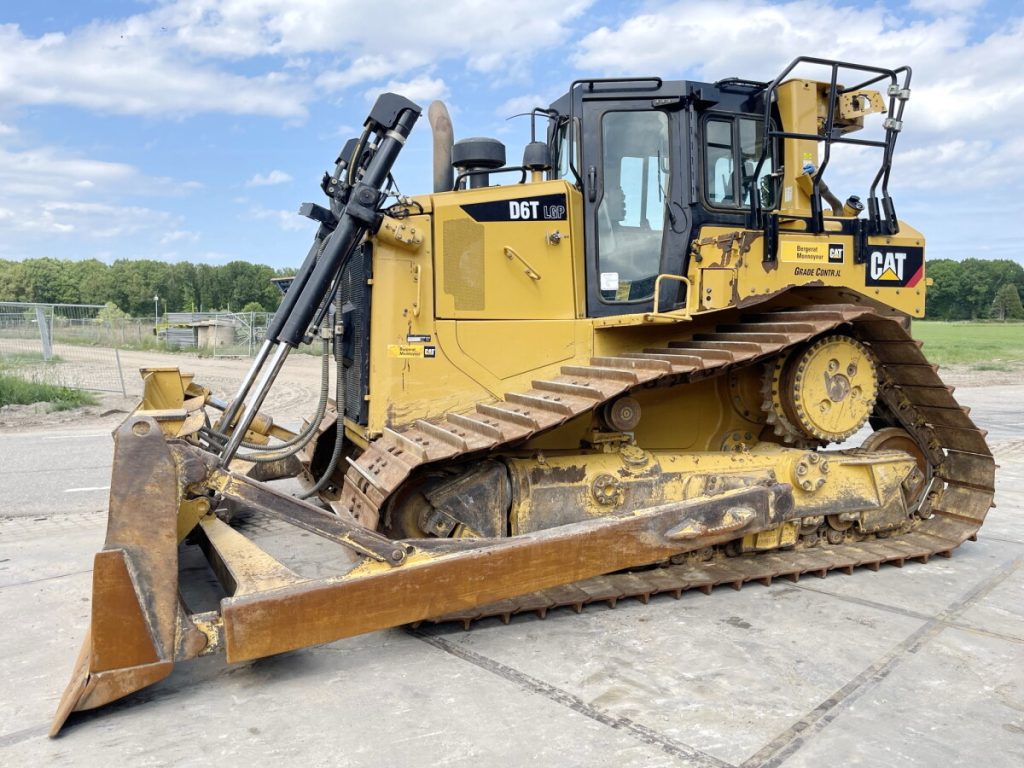
Whether you are operating an excavator on a construction site, a forklift in a warehouse, a grader on a road project, or a bulldozer clearing land, small mistakes can waste time, damage materials, increase fuel consumption, and even create serious safety risks.
If you want to improve precision when operating heavy machinery, you do not necessarily need to become the most experienced operator on the site overnight.
You need to understand your machine, practice-controlled movements, read your working environment, and develop the right habits.
Now, how can you actually improve precision behind the controls?
Understand your machine before you operate it
One of the first steps to improve precision is knowing exactly how your machine responds to your controls.
Every machine has its own characteristics. The response of an excavator hydraulic system is different from the steering and lifting response of a forklift. A bulldozer behaves differently from a grader.
Before starting serious work, take time to understand the controls, attachments, turning radius, lifting capacity, blind spots, and operating limitations of the machine.
The better you understand the machine, the easier it becomes to predict what it will do when you move a control.
Practice smooth control movements
Have you noticed that inexperienced operators often make sudden movements?
They may move a lever too quickly, accelerate unnecessarily, or stop abruptly. These movements make precision difficult.
To improve precision, practice making slow, controlled movements with the machine. Learn how much movement of a control produces a particular response.
For example, when operating an excavator, you need to coordinate the boom, arm, and bucket movements smoothly. Instead of making several unnecessary corrections, learn to position the bucket gradually and accurately.
Smooth operation is not about being slow forever. It is about developing enough control that you can eventually work efficiently without sacrificing accuracy.
Learn to read the working area
A skilled operator does not focus only on the machine. They constantly observe what is happening around it.
Before beginning a task, look at the ground conditions, slopes, obstacles, structures, people, vehicles, trenches, overhead hazards, and available working space. This helps you decide where to position the machine and how to approach the task.
For instance, if you are excavating a trench, you need to understand where the trench should begin, how deep it should be, and where the excavated material should be placed. Good site awareness allows you to make better decisions before the machine even starts moving.
Position the machine correctly
Sometimes poor precision is not caused by poor control. It starts with poor positioning. Imagine an excavator positioned too far away from the digging area.
The operator may need to stretch the boom and arm further than necessary, making accurate digging more difficult. Similarly, a forklift positioned incorrectly before lifting a pallet may struggle to insert its forks properly.
To improve precision, position your machine as close as safely possible to the correct working position. Give yourself enough space to operate comfortably while maintaining stability and visibility.
Good positioning reduces unnecessary movements and makes the entire operation more controlled.
Use reference points
Experienced operators often develop visual reference points that help them judge distance and position.
You can do the same. When operating machinery, identify fixed objects, markings, edges, posts, or other safe reference points that help you determine where the machine or attachment is in relation to the work area.
However, never rely solely on assumptions about distance. Where accuracy is critical, use proper measurements, site markings, levels, or guidance from the responsible site personnel.
The more you practice using visual references correctly, the easier it becomes to judge positioning.
Maintain good visibility
How can you operate precisely if you cannot clearly see what you are doing? Visibility is extremely important for accurate machine operation.
Keep windows, mirrors, cameras, lights, and other visibility aids clean and functional. Before starting work, check your surroundings and identify areas that may become blind spots during operation.
If your view is obstructed, do not simply guess. Use a trained spotter or follow the site’s communication procedures where necessary. Good communication between the operator and ground workers can make difficult operations much safer and more precise.
Avoid rushing the Job
Pressure to finish work quickly can cause operators to sacrifice precision. You may feel tempted to move faster because other workers are waiting or because the project is behind schedule.
But rushing can result in unnecessary corrections, damaged materials, poor-quality work, or accidents. One of the best ways to improve precision is to develop a controlled working rhythm.
Work efficiently, but do not confuse speed with skill. A good operator knows when to move quickly and when to slow down because the task requires greater accuracy.
Every heavy machine has operating limits. These include lifting capacity, reach, stability, load limits, attachment capabilities, and terrain restrictions.
Ignoring these limits can make precise operation extremely difficult. For example, attempting to move a load that is too heavy for a forklift can affect stability and control.
Using an excavator beyond its safe working range can also affect the machine’s balance and digging performance. Always follow the manufacturer’s operating instructions and the safety requirements of the worksite.
Keep the machine properly maintained
Precision is not only about the operator but also the condition of the machine also matters.
Worn components, hydraulic problems, damaged attachments, poor tire condition, steering problems, faulty controls, or other mechanical issues can affect how accurately a machine responds. Regular inspections and maintenance can help identify problems before they become serious.
If you notice unusual movement, delayed hydraulic response, steering problems, strange sounds, or another mechanical issue, report it according to your workplace procedures rather than attempting to compensate for the problem through your operating technique. A well-maintained machine gives the operator better control.
Practice different operating situations
If you want to improve precision, do not limit your practice to one simple task. Practice positioning, loading, digging, grading, lifting, reversing, maneuvering, and working around obstacles where your training environment safely allows it.
Practical experience teaches you how the machine behaves in different situations. This is particularly important for new operators.
You may understand the theory behind operating a machine, but precision develops through controlled practical experience.
Learn from experienced operators
One of the fastest ways to improve precision is to observe operators who already have strong machine-control skills.
Watch how they position the machine, how they use the controls, how they communicate with ground workers, and how they approach difficult tasks.
Do not simply copy what they do. Ask questions and understand why they make certain decisions. A good trainer can also identify habits that you may not notice yourself and help you correct them before they become permanent.
You need professional training to develop precision.
If you are serious about becoming a better operator, structured training can make a major difference.
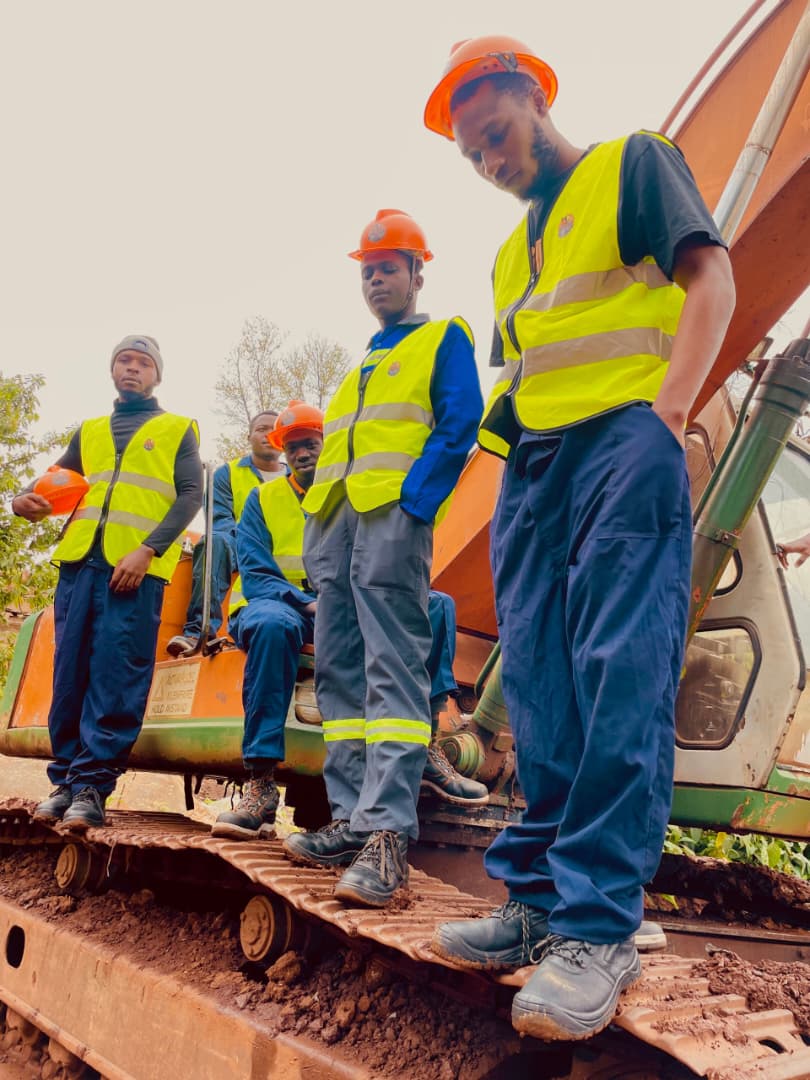
When you look at an institution like FHEMTS, it offers practical training to learners to have an opportunity to develop machine-control skills while learning the correct operating and safety procedures.
Whether you are starting as a beginner or looking to strengthen your existing skills, practical training can help you build the confidence needed to operate machinery more accurately.
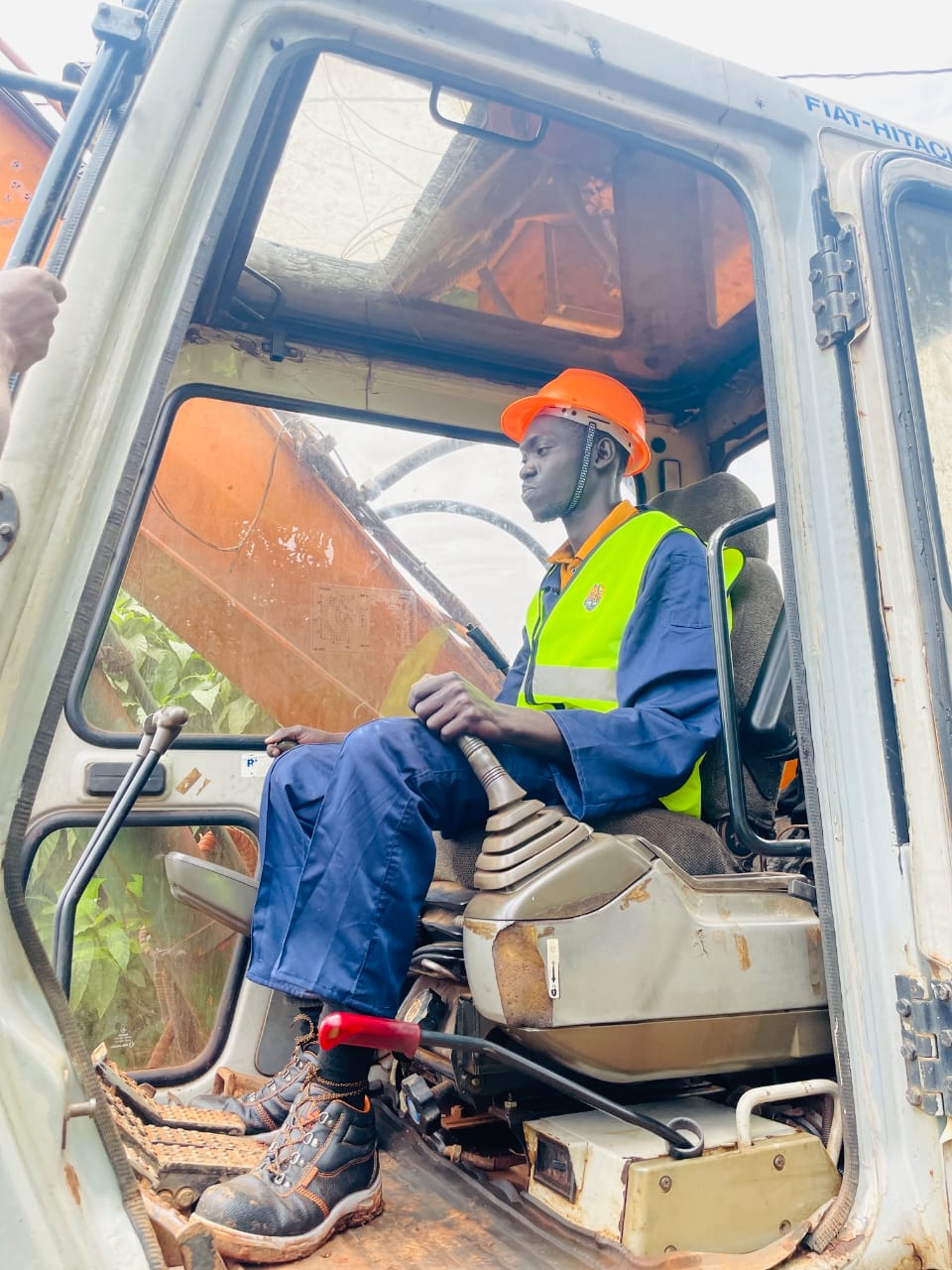
TAn FHEMTS trainee mastering precise way of operating an excavator
Have you ever asked yourself why precision matters for your Career?
Precision is more than simply making a machine perform a task correctly.
It can affect productivity, safety, fuel consumption, machine wear, material handling, and the quality of completed work.
An operator who can consistently position a machine accurately, handle loads carefully, work safely around others, and complete tasks with fewer corrections becomes a valuable member of a construction, logistics, agriculture, mining, or infrastructure team.
That is why learning to improve precision should be part of your long-term development as an operator.
Conclusion
When you do want to improve precision in heavy machinery operations, start with the basics. Understand your machine. Practice smooth control movements.
Position the machine correctly. Read the terrain. Maintain good visibility. Use safe reference points. Avoid rushing and always respect the machine’s operating limits.
Most importantly, keep practicing. Precision is not something you gain from simply sitting behind the controls once or twice. It develops through proper training, repetition, experience, and a commitment to doing the job correctly. If you do need this skill, just click the APPLY button
“A powerful machine can get the work done, but a precise operator gets it done safely, efficiently, and professionally”.