

Heavy Machinery Practical Training in Uganda
There is a moment when the roar of a diesel engine stops sounding intimidating and starts sounding like opportunity.
You climb into the operator’s seat, feel the machine respond beneath you, and suddenly the difference between watching heavy equipment and controlling it becomes unmistakable.
This is where practical training turns knowledge into something you can actually use. If you have ever wondered what really happens when you enrol for heavy machinery training in Uganda, the answer goes far beyond sitting in a classroom and memorising machine parts.
You learn by doing, correcting, repeating and gradually developing the confidence required to operate safely and effectively.
Let’s look at how heavy machinery practical training is conducted.
Understanding the Machine Before You Operate It
Your practical training begins with becoming familiar with the machine you have chosen to learn. Before you are expected to perform demanding tasks, your instructor introduces you to the major components, controls, attachments and operating systems.
You learn what each control does, how the machine responds and why certain operating procedures must be followed. This stage is important because heavy machinery is not operated by simply moving levers and pedals.
You need to understand the relationship between the controls and the machine’s movements. During practical training, you gradually become familiar with the operator’s station so that you can work the controls with greater confidence and awareness.
Learning through supervised operation
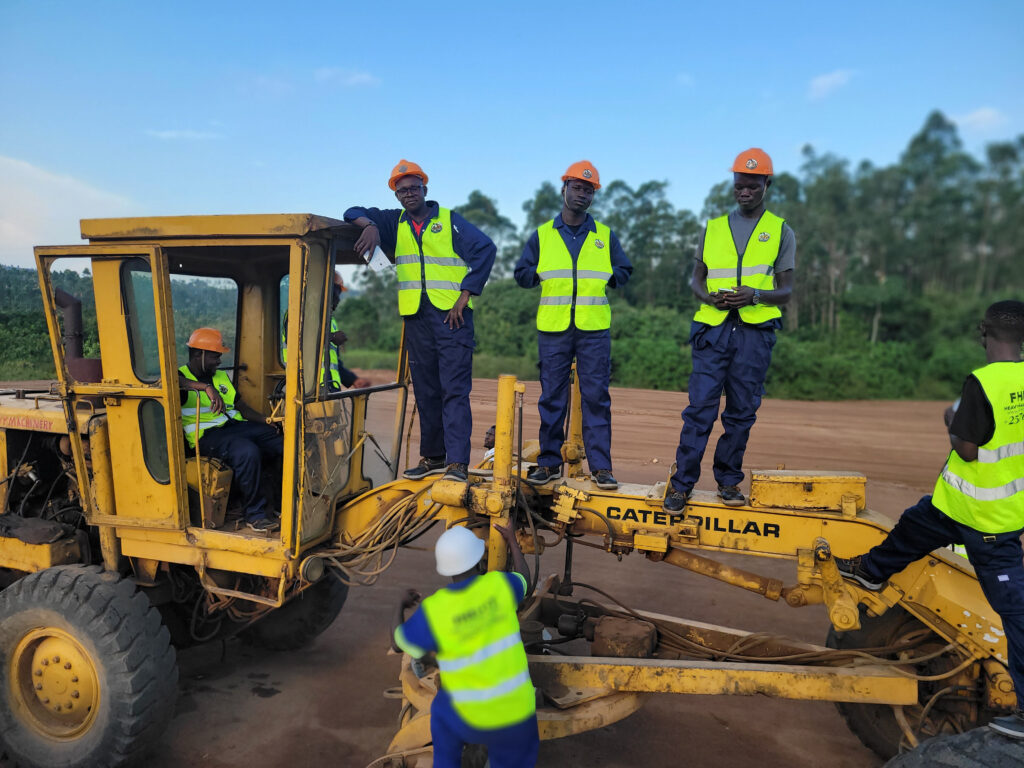
One of the biggest differences between reading about a machine and operating one is the experience you gain from being behind the controls. During practical training, you are given an opportunity to operate the equipment under the supervision of an instructor.
You are not expected to perform perfectly on your first attempt. You may move a control too quickly, position the machine incorrectly or struggle to coordinate different movements.
These challenges are part of learning. Your instructor identifies the problem, explains what needs to change and gives you another opportunity to practise.
This repetition is what makes practical training valuable. You do not simply hear how something should be done; you perform the task, receive feedback and perform it again until your movements become more controlled.
Safety becomes part of your routine
Safety is not something you learn only at the beginning of your course. It becomes part of every practical training session. Before operating the machine, you learn to inspect the equipment, assess the surrounding area and identify potential hazards.
You learn to recognise blind spots, maintain safe distances, communicate with people around the machine and understand why certain areas should never be entered while equipment is operating.
You also learn why proper positioning matters and how poor judgement can create risks for both the operator and other workers.
A good operator is not simply someone who can make a machine move. A good operator understands how to work productively without compromising safety.
Developing control and precision
Heavy machinery requires coordination. A machine may be large and powerful, but effective operation often depends on small, deliberate movements. Practical training helps you develop the ability to control those movements with increasing accuracy.
Depending on the machine you are learning, you may practice starting, stopping, steering, maneuvering, lifting, lowering, digging, loading, grading or positioning.
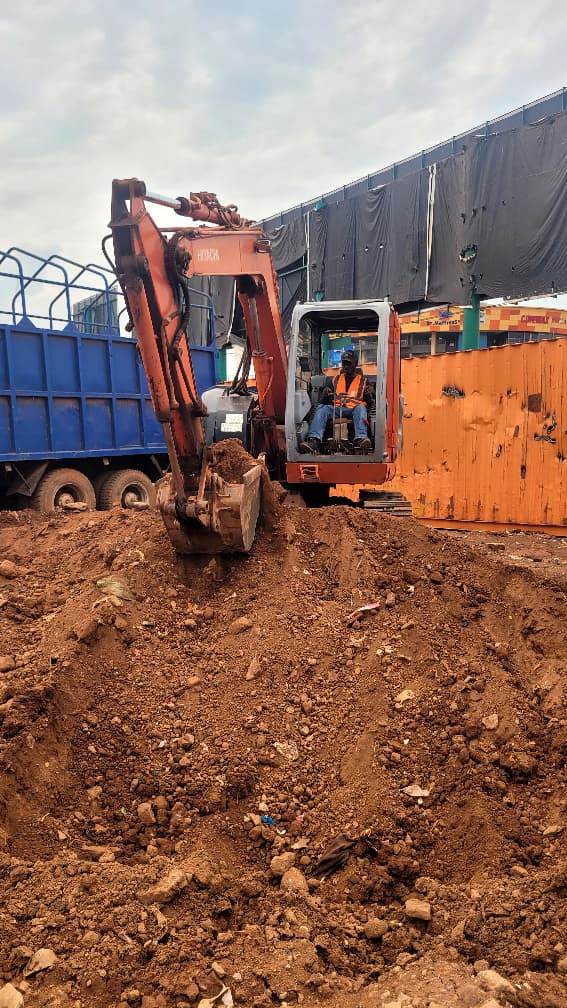
The objective is not merely to complete a task. You are learning to complete it smoothly and accurately. For example, an excavator trainee may practice positioning the excavator before digging, controlling the boom and arm, operating the bucket and gradually developing accurate excavation techniques.
A forklift trainee may focus on safe maneuvering, load handling and positioning. A grader trainee may work on maintaining accurate control while shaping and levelling surfaces.
Each machine requires different skills, and practical training gives you the opportunity to develop those skills through repeated operation.
Learning to read the working environment
A heavy machine does not operate independently of its surroundings. The condition of the ground, weather, slope, visibility and activities taking place around you can all influence how you operate.
During practical training, you begin learning to assess the environment before carrying out a task. You may encounter uneven ground, soft soil, muddy areas, trenches, vehicles, buildings or other equipment. Understanding these conditions helps you make better operating decisions.
This is where you begin developing an important quality of a professional operator: awareness. Instead of concentrating only on the controls, you learn to observe what is happening around the machine.
Building confidence without becoming careless
It is normal if you’re a beginner to feel uncertain when first operating heavy equipment. You may hesitate before moving a control because you are unsure how the machine will respond.
With consistent practical training, that uncertainty gradually decreases. Your confidence develops through repetition and correction.
However, professional training should never encourage careless confidence. You need to understand your machine’s capabilities and limitations.
The objective of practical training is therefore to develop controlled confidence. You should become comfortable operating the equipment while still knowing when to slow down, reassess a situation or stop because conditions are unsafe.