

Motor grader vs bulldozer
A road can look like nothing more than a strip of soil waiting to be transformed, but underneath that rough surface is a carefully planned process.
One machine may be pushing huge amounts of earth forward while another later passes over the same ground, making movements that appear much smaller but can determine how well the finished road performs
A niveleuse and a bulldozer may look like two machines performing similar work when you watch them on a road construction site, but their actual responsibilities are quite different.
While both machines can work with soil and contribute to road formation, the motor grader is primarily associated with precision, surface shaping and finishing, whereas the bulldozer is better known for powerful pushing, clearing and rough earthmoving.
Understanding what a motor grader does compared with a bulldozer helps you see why both machines are valuable at different stages of a road project. A road cannot be created simply by moving soil from one place to another.
The formation must be shaped correctly, slopes must be established, water must be directed away from the road and the surface must be prepared for the layers that will eventually support traffic. This is where the motor grader becomes particularly important.
What Is a Motor Grader Used for on Road Projects?
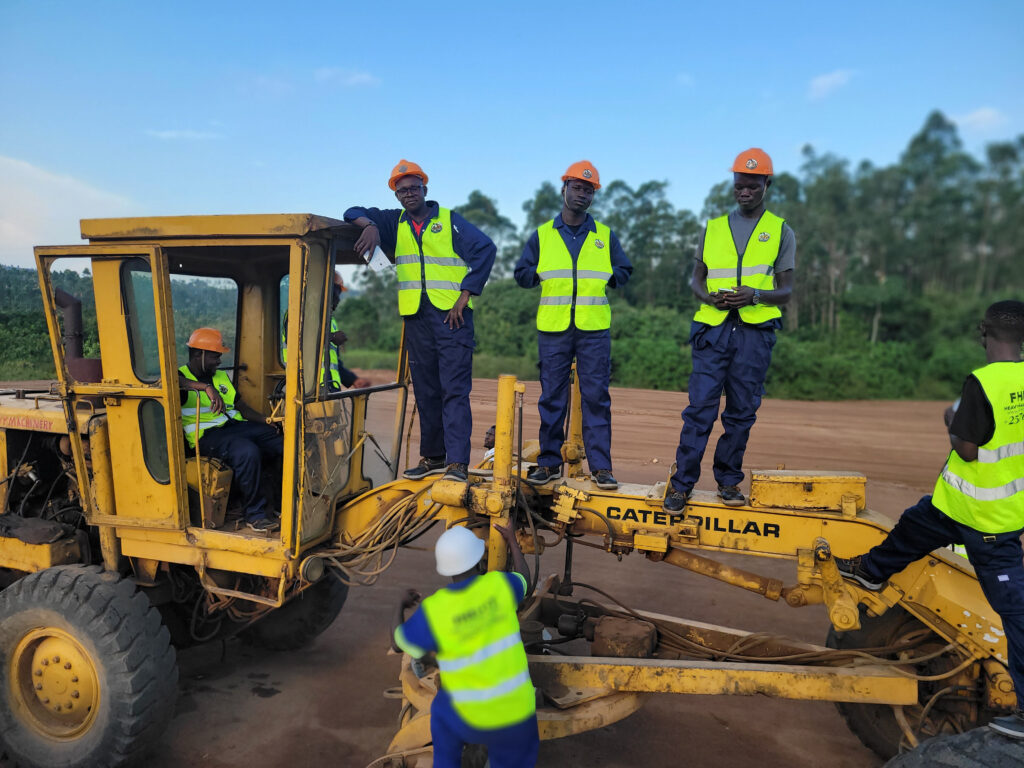
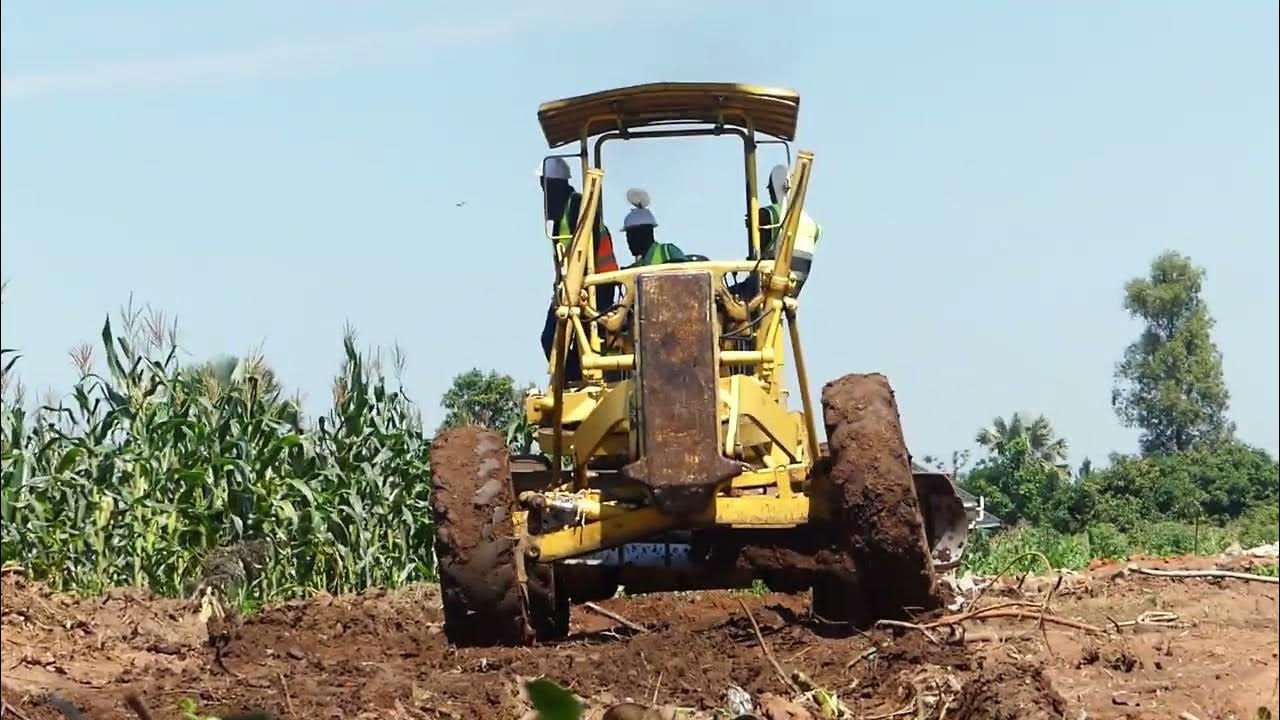
The motor grader is one of the most recognizable machines on a road construction project because of its long frame and centrally positioned blade.
Unlike a bulldozer, which uses its front blade primarily for pushing material, the grader is designed to manipulate and distribute material with a much higher level of precision.
A motor grader can trim high spots, spread material across the formation, establish the required road profile and create the cross-slope needed for drainage.
The machine can also be used for maintaining gravel roads, shaping shoulders and forming slopes or drainage channels. This means the operator is not simply trying to make the ground look flat.
The objective is to achieve a particular shape and level that corresponds with the road design.
Where Does the Bulldozer Come In?
Before the motor grader can perform its finishing work, the site often needs substantial preparation. This is where the bulldozer becomes extremely useful.
A bulldozer is built around pushing power. Its heavy blade can clear vegetation, move soil, push rocks and reshape rough terrain.
During the early stages of a road project, it may be used to establish the basic road alignment and move large quantities of material into approximately the right position.
The difference becomes clearer when you consider the sequence of work. The bulldozer helps create the rough formation, while the motor grader takes that formation and refines it.
The two machines are therefore not necessarily competing for the same job. In an efficient construction operation, they can complement each other.
Why Is a Motor Grader Better for Precision?
Imagine looking across a newly prepared road formation. From a distance, the surface might appear reasonably level, but small ridges, depressions and incorrect slopes can remain. Those small differences matter.
A motor grader allows the operator to make controlled adjustments to the surface. Its blade can be angled and positioned to cut material from one area and distribute it across another.
The operator can progressively refine the road until the required profile is achieved. This precision is especially important because roads need to manage water.
A properly shaped surface helps prevent water from simply sitting on the carriageway, while appropriate slopes and drainage features help move runoff away from the road.
The grader therefore plays a role that goes far beyond making a road look smooth.
Can a Bulldozer Replace a Motor Grader?
This is one of the most common questions when comparing these machines. A bulldozer can certainly level and shape ground to a certain extent, and experienced operators can achieve impressive results with one.
However, its primary design is for pushing and rough earthmoving rather than the fine finishing required on many road formations.
A motor grader provides much greater control for detailed surface work. Its blade position, machine articulation and operating characteristics allow the operator to make adjustments that would be difficult to achieve as efficiently with a bulldozer.
This is why trying to use the bulldozer for every stage can reduce efficiency. The machine may spend additional time making passes that a grader could complete more precisely.