




Road Construction & Excavation Services in Uganda
Road Construction and Excavation Services in Uganda
Road Construction & Excavation Services in Uganda
Overview
Road Construction and Excavation usually mark the first real movement on a construction site. Before buildings rise or trucks begin delivering materials, the ground must change shape. Soil moves. Slopes appear. Drainage paths form. Everything begins from there.
If you have ever stood beside a fresh construction site in places like Kira, Mukono, or Wakiso, you probably noticed how the land looks uneven at first. Tall grass. Hidden holes. A few stubborn rocks. Then machines arrive, and slowly the ground begins to look organized.
Road Construction and Excavation prepare the land so roads, buildings, and vehicles function without constant trouble. It may look like simple digging from a distance, though the process requires careful planning and patience.
Why Choose us?
Most Recommended Driving Courses
How Road Construction and Excavation Actually Look on Site
Many people imagine large construction projects when they hear about excavation work. Yet the process often begins quietly.
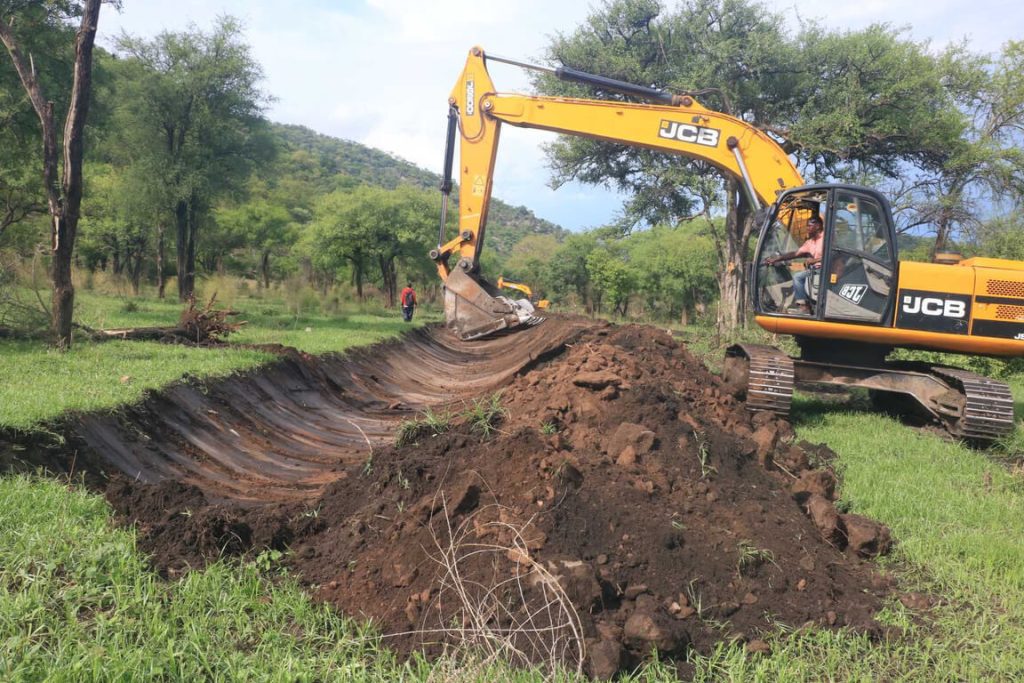
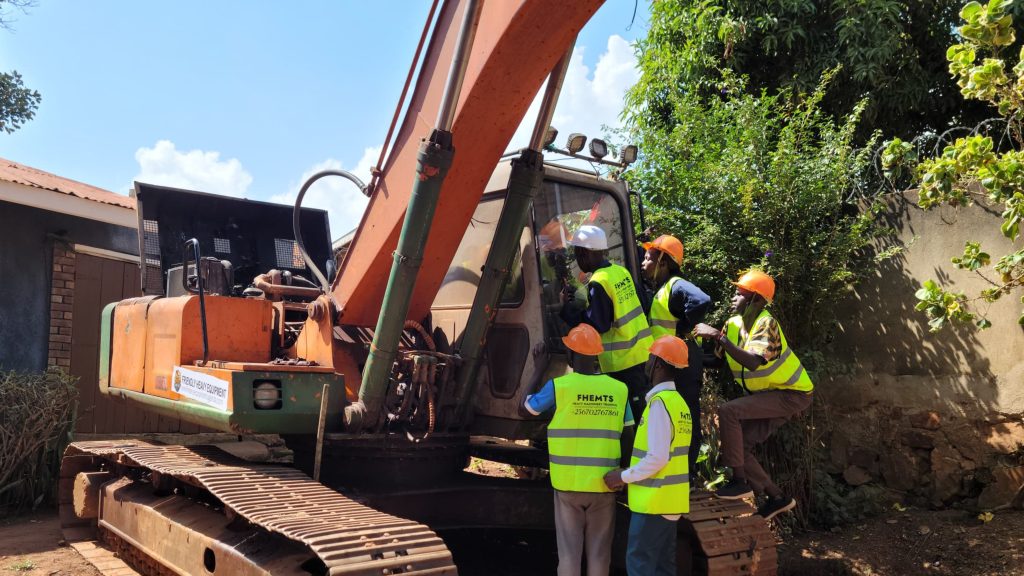
Early morning on site feels calm. The excavator starts first. Its bucket slowly digs into the soil, lifting earth one scoop at a time. A dump truck waits nearby, ready to carry the soil away.
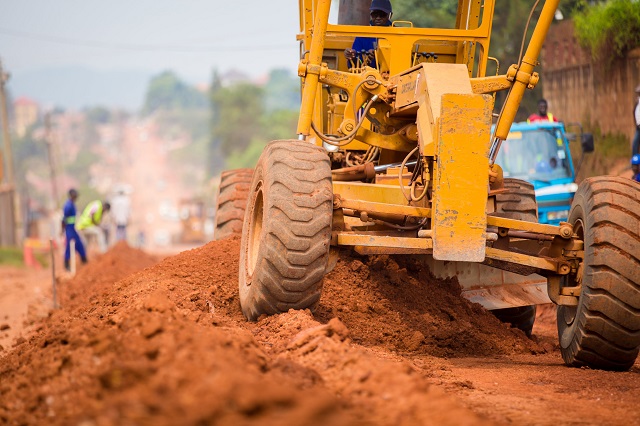
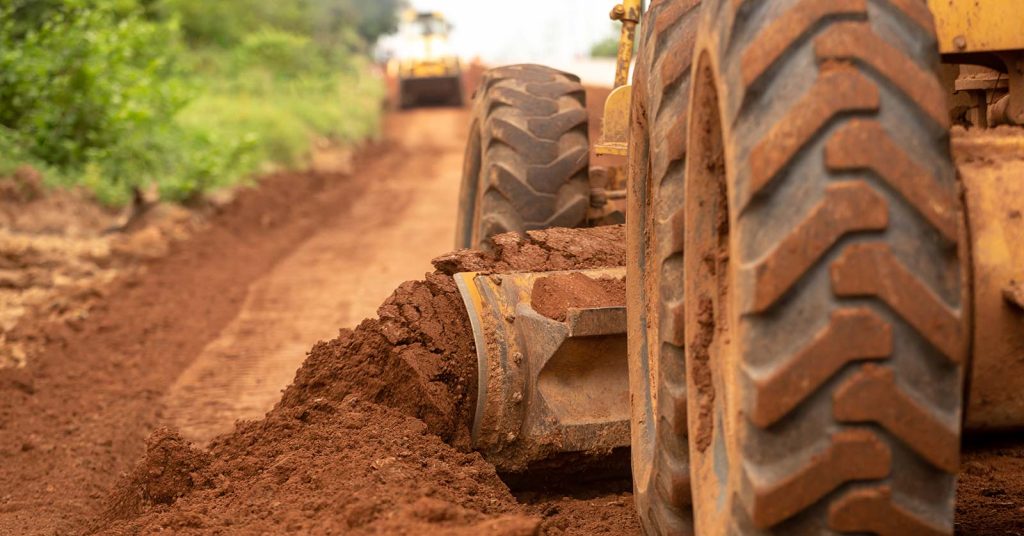
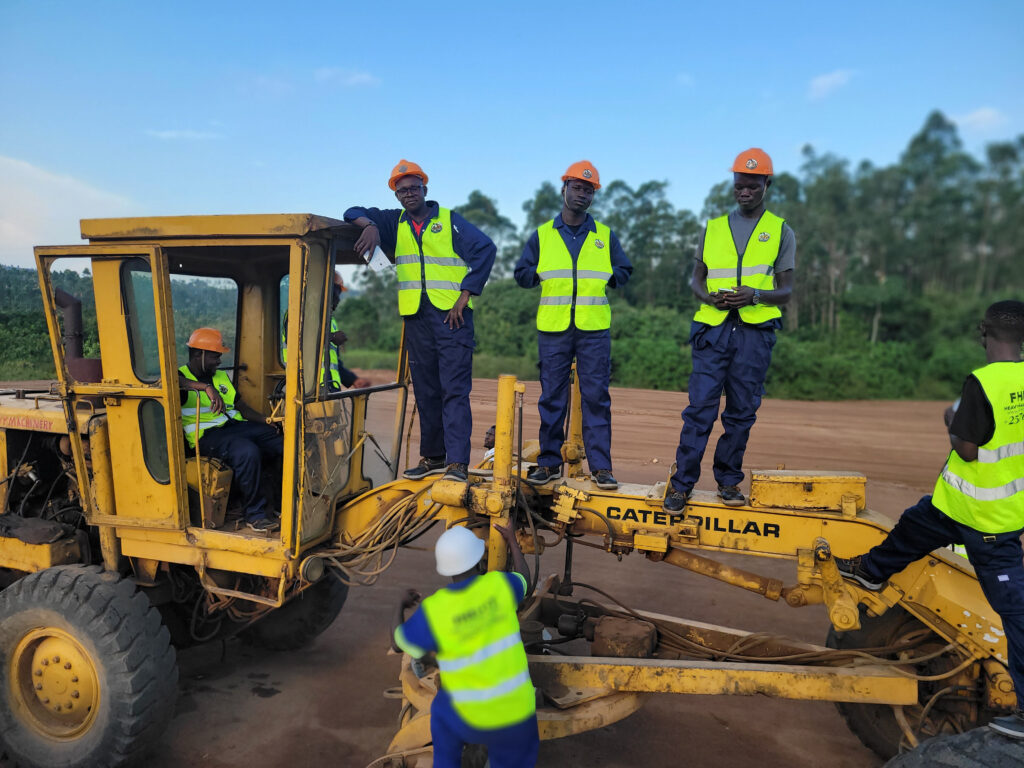
A motor grader then follows later, smoothing the rough ground left behind.
If you watch closely, you notice the operator adjusting the slope carefully. The blade moves slightly left, then right. Small changes shape the road profile.
At first glance the progress appears slow. Give it a few hours and the transformation becomes clear.
What was once uneven land begins to resemble a proper road path.
Where Road Construction and Excavation Matter Most in Uganda
This service supports many situations across the country.
Housing Estates
New residential estates require internal roads before houses appear. Without excavation and grading, these roads quickly become muddy during rainy seasons.
Farm Access Roads
Farmers transporting produce such as coffee, maize, or bananas need reliable access roads. Excavation strengthens the soil so trucks reach the farm even during wet months.
Industrial Areas
Factories moving goods daily require strong access routes. Excavation prepares large yards where trucks can turn, park, and load cargo safely.
Commercial Developments
Shopping centers and warehouses depend on stable parking areas and delivery zones. Excavation prepares the ground for these heavy vehicle movements.
Machines Commonly Used During Road Construction and Excavation
Different machines perform specific tasks during site preparation.
Machine | Role on Site
Excavator | Digging trenches, removing soil, preparing drainage
Motor Grader | Shaping and leveling road surfaces
Wheel Loader | Moving soil, gravel, and aggregates
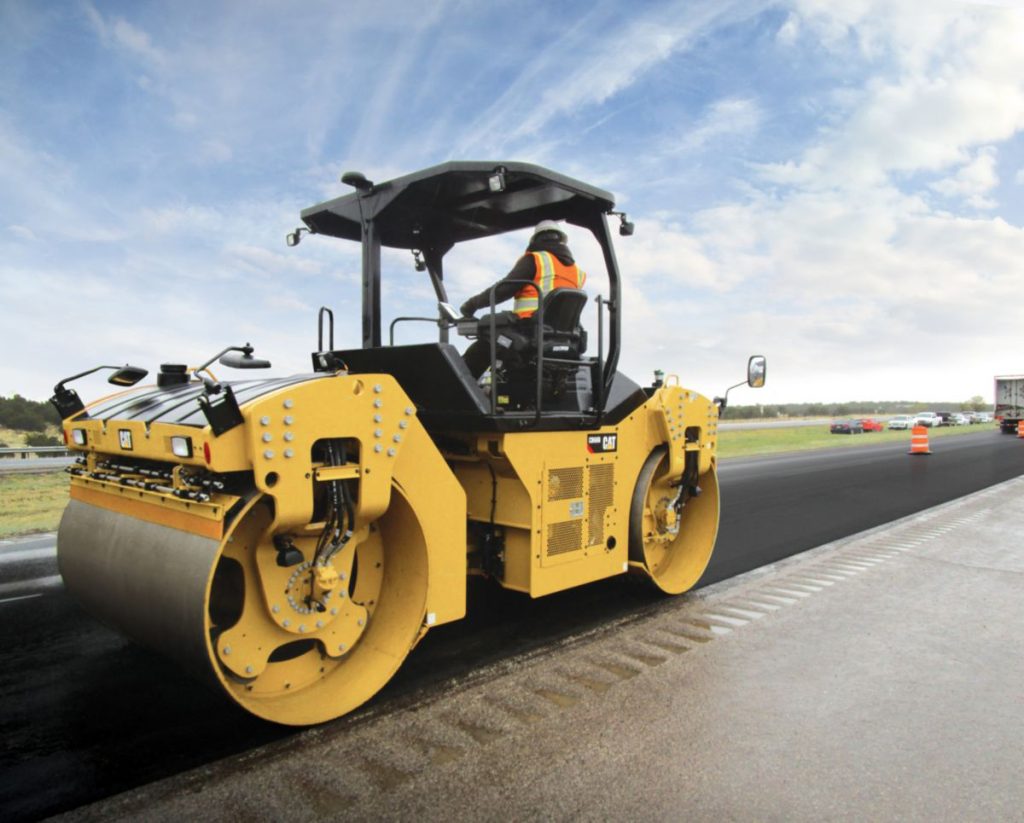
Compactor | Compressing soil layers for strong foundations
Dump Truck | Transporting excavated soil and construction materials
Watching these machines work together often feels like observing a carefully organized routine. One machine prepares the ground, another improves it, and another strengthens it.
What Happens When Excavation Is Done Poorly
Poor excavation work rarely shows problems immediately.
The road might look smooth during the first weeks. Vehicles pass normally. Everything seems fine.
Then rain arrives.
Water begins collecting in shallow depressions. Soil underneath the road softens. Small cracks appear. A few months later the road surface begins breaking apart.
Drivers complain. Repairs begin.
The frustrating part is this. Most of these problems start beneath the surface where people rarely look.
Good Road Construction and Excavation prevent these problems long before the first vehicle uses the road.
Drainage Makes a Bigger Difference Than Most People Expect
Many Ugandan construction sites overlook drainage.
The focus often goes to gravel, asphalt, or concrete surfaces. Yet the movement of water matters even more.
When excavation shapes proper slopes and drainage channels, rainwater leaves the road area quickly. When this step is ignored, water settles and slowly damages the road base.
You might notice this difference when driving through some estate roads. One road stays firm after rain while another becomes muddy. The difference often comes from how excavation prepared the ground.
A Small Moment That Shows Why Excavation Matters
I remember visiting a construction site near Mukono where an excavator operator spent almost half an hour adjusting a small drainage trench.
Someone nearby joked that the operator was taking too long.
Later that afternoon, heavy rain arrived. Water flowed through that trench smoothly and moved away from the road section.
Without that small adjustment, the road might have flooded immediately.
Sometimes the smallest excavation decisions protect the entire project.
Service FAQs
What projects require road construction and excavation services?
Housing estates, factory compounds, warehouse yards, farm access roads, and commercial developments often require excavation and road construction before other building activities begin.
How long does a typical excavation project take?
The duration depends on land size, soil conditions, and equipment required. Small access roads may take several days while larger estate roads may require several weeks.
Can excavation work continue during Uganda’s rainy seasons?
Work sometimes slows during heavy rain, especially when soil becomes slippery. Experienced operators adjust schedules to protect equipment and maintain safe working conditions.
What happens to soil removed during excavation?
Excavated soil is either transported to designated disposal areas or reused on the same project for filling, leveling, or landscaping.
Do you handle both private and commercial projects?
Yes. Road Construction and Excavation support private landowners, developers, farms, commercial buildings, and infrastructure projects across Uganda.
Why is soil compaction important during road construction?
Compaction strengthens soil layers so the road base remains stable. Without proper compaction, soil shifts under vehicle weight which causes cracks or potholes.
How do you prevent flooding on newly constructed roads?
Proper excavation shapes drainage paths that guide water away from the road surface. This step prevents standing water which weakens the road foundation.
Standing on freshly excavated land often feels strange. The soil looks rough, with machine tracks visible across the surface.
Yet that ground already holds the shape of the future road.
Soon trucks will pass across it without difficulty. Drivers may never think about the excavation work beneath their tires.
Still, every smooth road begins exactly there. In the quiet early hours of excavation, when the ground first begins to change.
Share the Post:
Related Services