

Heavy Equipment Attachments
You can own the most powerful excavator, loader, or backhoe on a construction site, but without the right attachment, that machine can only do so less.
One simple change of an attachment can turn an ordinary machine into a tool for digging, lifting, breaking, drilling, grading, or handling materials.
That is why heavy equipment attachments play such a critical role in construction, mining, agriculture, and road projects.
If you are serious about becoming a professional operator, understanding heavy equipment attachments should be one of your priorities.
The more you learn about heavy equipment attachments, the more prepared you become to handle different jobs safely, efficiently, and confidently.
Every experienced operator knows that mastering heavy equipment attachments is not just an added advantage. It is an important skill that employers value every day.
Why should you understand heavy equipment attachments?
Every construction project presents different challenges. One day you may be digging trenches, while the next day you could be demolishing a concrete structure or lifting heavy building materials.
Instead of bringing several different machines to the site, contractors often rely on one machine fitted with different heavy equipment attachments to complete multiple tasks.
When you understand heavy equipment attachments, it helps you choose the correct tool for each job. It improves productivity, reduces unnecessary wear on the machine, lowers fuel consumption, and creates a safer working environment.
If you an operator who understands when and how to use different attachments, you often complete projects faster and with greater accuracy.
As the construction industry continues to grow across Uganda and East Africa, employers are looking for operators who can adapt to changing site conditions.
Learning about heavy equipment attachments makes you a more flexible and dependable professional.
Here are the common heavy equipment attachment
Buckets
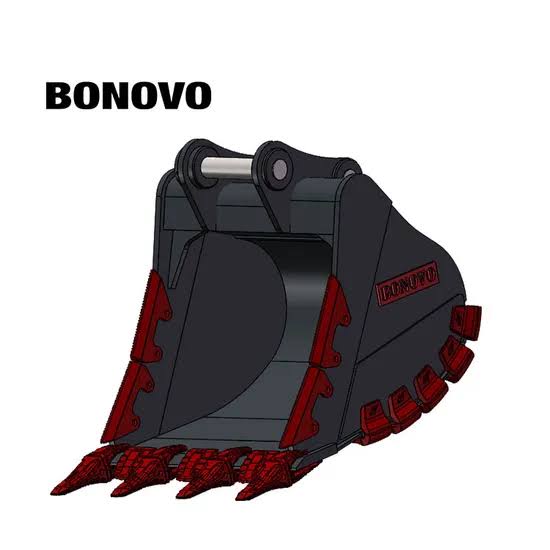
These are the most common heavy equipment attachments. When people think about heavy equipment attachments, the bucket is usually the first tool that comes to mind.
Buckets are used on excavators, wheel loaders, skid steers, and backhoe loaders for a wide range of tasks.
Although they may look similar, buckets are designed for different purposes.
Digging buckets are made for excavation, grading buckets help level surfaces, and trenching buckets create narrow trenches for utility lines, while rock buckets are built to handle abrasive materials.
Using the right bucket increases efficiency and helps protect the machine from unnecessary strain.
A skilled operator understands that selecting the correct bucket is just as important as knowing how to operate the machine itself.
Hydraulic Breakers
Breaking concrete, asphalt, or large rocks is difficult with a standard bucket. This is where hydraulic breakers become one of the most valuable heavy equipment attachments available.
Powered by the machine’s hydraulic system, these attachments deliver repeated impact to break hard surfaces quickly and efficiently.
They are commonly used during road rehabilitation, demolition projects, quarry work, and foundation removal.
Because hydraulic breakers generate powerful vibrations, operators must understand proper operating techniques to protect both the machine and themselves while working.
Grapples
Not every material can be scooped into a bucket. Tree logs, scrap metal, construction debris, pipes, and demolition waste require a stronger grip.
Grapples are specially designed heavy equipment attachments that allow operators to lift and transport irregular materials safely.
Hydraulic grapples provide excellent control and reduce the amount of manual labor required on site. They are widely used in forestry, recycling, waste management, and demolition industries.
Learning how to operate a grapple correctly allows you to work faster while improving overall site safety.
Augers
Many construction projects require perfectly round holes for fencing, utility poles, foundations, and tree planting. Instead of digging these holes manually, operators use augers.
Augers are rotating heavy equipment attachments that drill clean and accurate holes into different soil conditions. They save time, reduce labour costs, and improve precision.
Choosing the correct auger size and understanding soil conditions are important skills that every operator should develop.
Rippers
Sometimes the ground becomes too hard for normal excavation. Compacted soil, frozen ground, and rocky surfaces can make digging difficult even for powerful excavators.
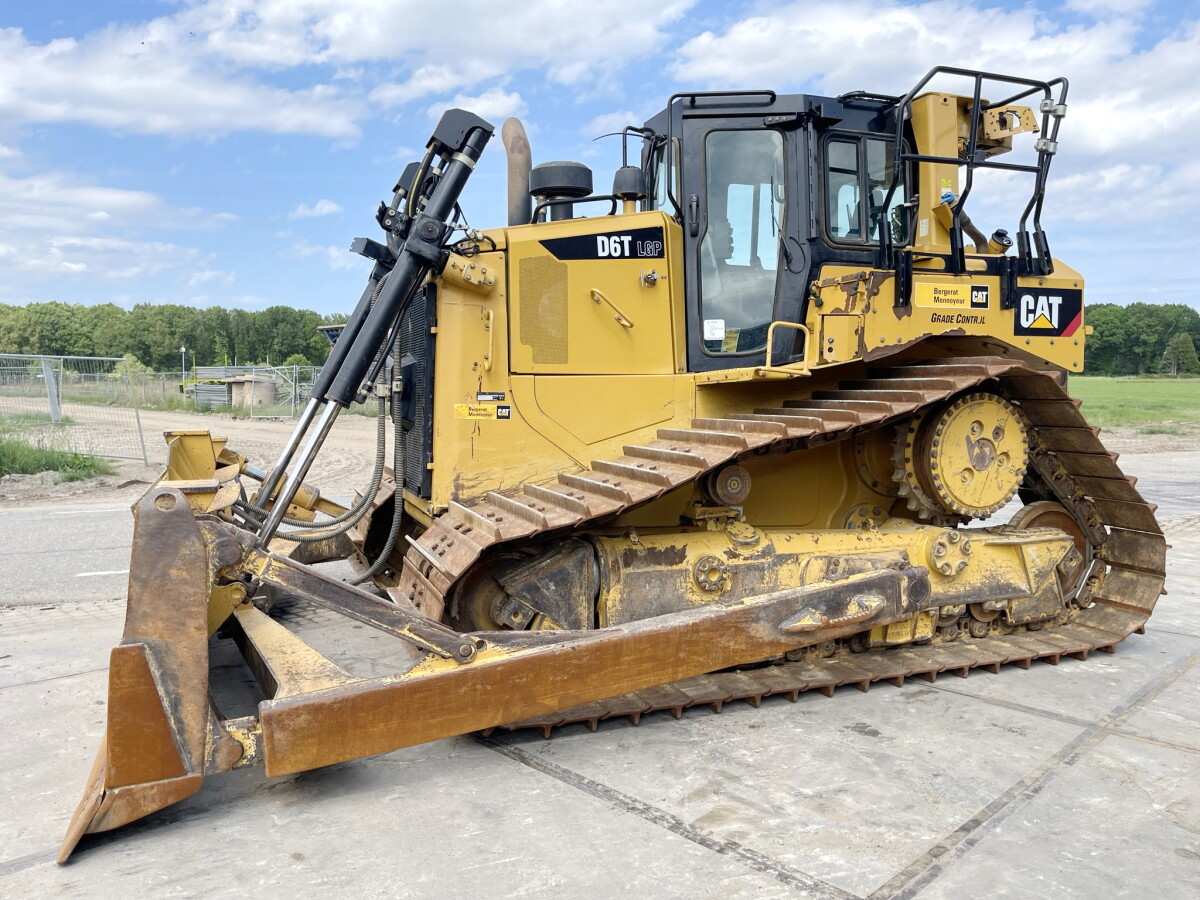
Rippers are specialized heavy equipment attachments designed to loosen hard material before excavation begins.
By breaking through difficult ground first, operators reduce stress on the machine and increase productivity.
This attachment is commonly used on road construction, mining projects, and land development sites.
Compactors
A successful construction project depends on a stable foundation. After excavation, soil often needs to be compacted before additional work continues.
Compactors are important heavy equipment attachments that use vibration to compress soil and remove air pockets.
Proper compaction prevents future settlement and improves the strength of roads, buildings, and other structures.
If your an operator who understand proper compaction techniques, can contribute directly to the long-term quality of every project.
Forks
Fork attachments allow loaders and telehandlers to transport heavy materials with ease. Pallets of cement, bricks, steel, timber, pipes, and construction supplies can all be moved safely using forks.
Although they appear simple, fork heavy equipment attachments require operators to understand load balance, lifting capacity, visibility, and safe handling procedures.
Correct operation reduces accidents and prevents costly damage to materials.
Hydraulic Thumbs
Hydraulic thumbs are among the most practical heavy equipment attachments used with excavators.
Working together with the bucket, they create a firm grip that allows operators to pick up rocks, logs, concrete blocks, pipes, and demolition materials.
Without a hydraulic thumb, many of these materials would be difficult to handle safely. This attachment improves precision and expands the range of work an excavator can perform.
If your an operator who has mastered hydraulic thumbs, you become more productive during demolition, landscaping, and utility installation projects.
Quick Couplers
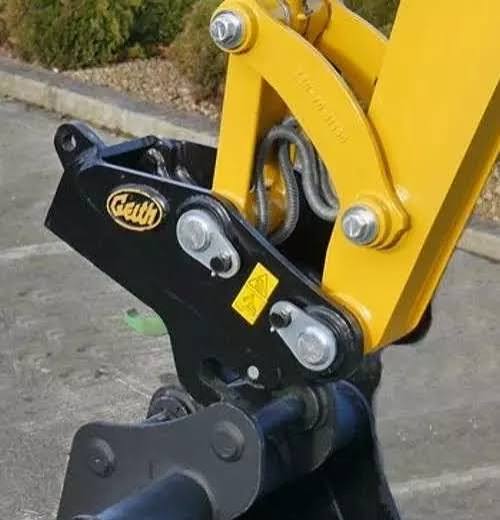
Changing attachments manually can consume valuable working hours. Quick couplers eliminate this problem by allowing operators to switch between different heavy equipment attachments quickly and safely.
With a quick coupler, an excavator can move from digging to breaking concrete or grading within minutes. This flexibility improves efficiency and reduces project delays.
Every operator should understand how quick couplers function and how to confirm that each attachment is securely locked before starting work.
How does learning heavy equipment attachments make you more employable
Construction companies are looking for operators who bring more than basic machine operation skills.
Employers value professionals who understand different heavy equipment attachments and know when to use each one.
When you understand heavy equipment attachments, you become capable of working on road construction, mining, agriculture, infrastructure development, quarry operations, and many other industries.
Your ability to adapt to different projects makes you more competitive in today’s job market.
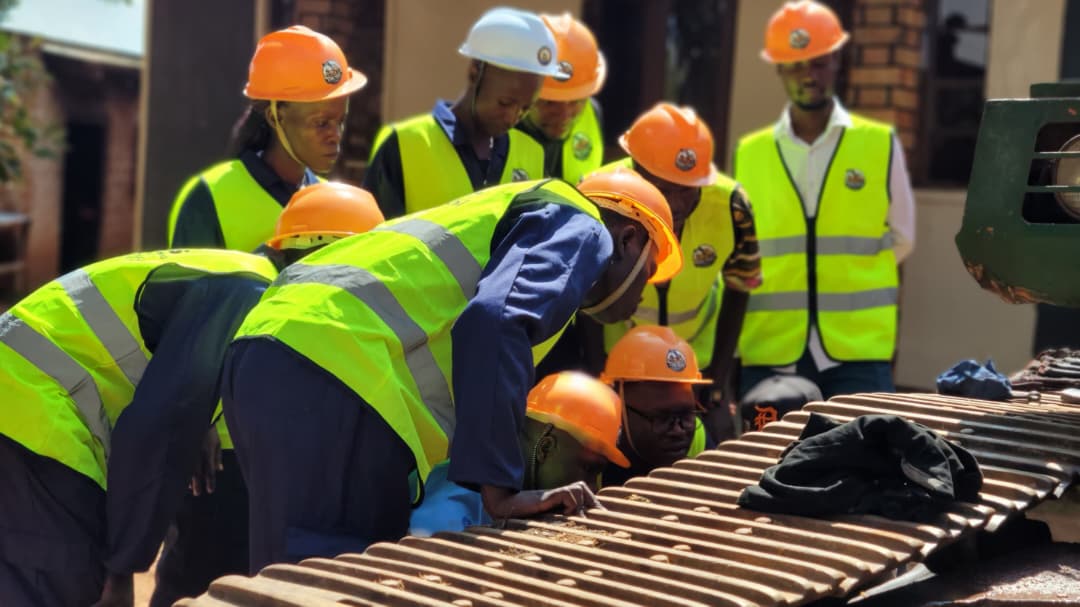
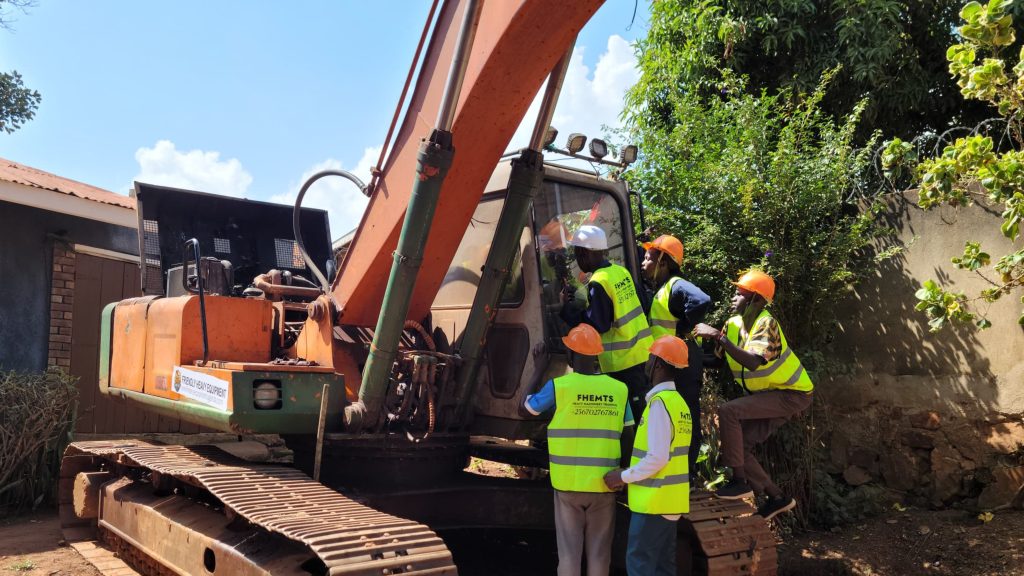
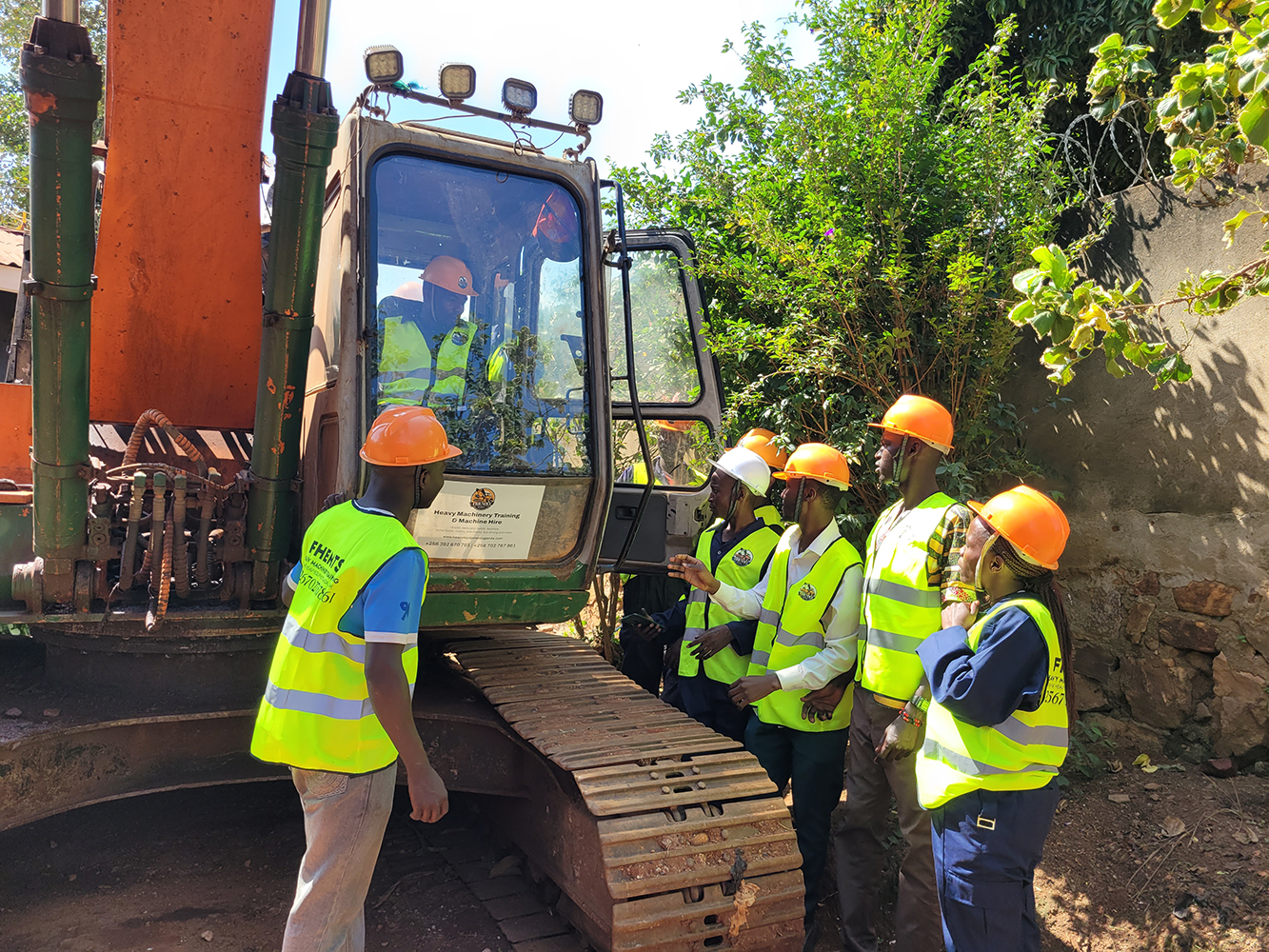
At Friendly Heavy Equipment and Machinery Training School (FHEMTS), as a trainee you’re encouraged to go beyond simply learning how to drive a machine.
You stand a chance to gain practical experience using equipment in real working environments while understanding how different heavy equipment attachments improve efficiency, safety, and productivity.
This practical approach gives graduates the confidence needed to meet the expectations of modern employers.
Professional training also helps you understand the inspection, maintenance, and safe operation of various attachments before they are used on site.
At FHEMTS, every learner is guided by experienced instructors who combine classroom knowledge with practical demonstrations, ensuring that trainees develop the skills required for today’s construction industry.
Conclusion
Every attachment gives a machine a new purpose. A bucket excavates, a breaker demolishes, an auger drills, a grapple grips materials, and a ripper loosens hard ground, while a compactor strengthens foundations.
Understanding heavy equipment attachments allows you to work more efficiently, improve safety, and increase your value as a professional operator.
If you want to build a successful career in the heavy equipment industry, do not limit yourself to learning machine controls alone.
Take time to understand heavy equipment attachments, practice using them correctly, and develop the confidence employers are looking for.
Join FHEMTS today and receive hands-on training that prepares you for real construction projects. The skills you gain today can create opportunities that last a lifetime.