
Why One-on-One Machine Training Can Make a Difference

Why One-on-One Machine Training Can Make a Difference

When you sit in a machine and place your hands on the controls for the first time, you quickly realize that watching someone else operate is not the same as operating it yourself.

You may understand what the joystick does, know the safety rules and even remember the instructorโ€™s explanation, but when the machine starts moving, you need confidence, coordination and control.

That is where one-on-one machine training can make a real difference.

If you are learning to operate an excavator, forklift, wheel loader, bulldozer, grader or another piece of heavy equipment, the amount of attention you receive during practical training can influence how quickly you understand the machine and how confidently you operate it.

What makes one-on-one training different?

In a group training environment, an instructor has to divide attention among several learners. While you are waiting for your turn, another trainee may be operating the machine, asking questions or receiving corrections.

With one-on-one machine training, the instructor’s attention is focused on you and your progress.

If you struggle to coordinate a particular control, you can work on it repeatedly. If you make a mistake, the instructor can identify exactly what happened and explain how to correct it.

You do not have to wait for several other learners before getting another opportunity to practice. This creates a more focused learning environment where practical training can follow your individual pace.

You learn from your own mistakes

Making mistakes during training is normal. In fact, some of your most valuable lessons may come from mistakes made in a controlled training environment.

Perhaps you move the excavator arm too quickly. Maybe you struggle to maintain smooth bucket control or position the machine correctly before digging.

Instead of simply being told that you are wrong, one-on-one instruction allows the trainer to stop, explain what happened and give you another opportunity to try.

The important thing is that you learn why the mistake happened. Over time, this helps you develop better machine control instead of simply memorizing instructions.

You get more time on the machine

Practical experience matters enormously when learning heavy equipment operation. Knowing the names of machine controls from a classroom is useful, but your hands need to become familiar with the movements.

You need to understand how the machine responds when you move a control slightly, how quickly different functions react and how to coordinate several movements.

One-on-one training can give you more concentrated practice because the practical session is built around your development. For a beginner, this can be particularly valuable.

You do not need to feel embarrassed because you are still learning a basic movement. You can repeat it until it becomes more natural.
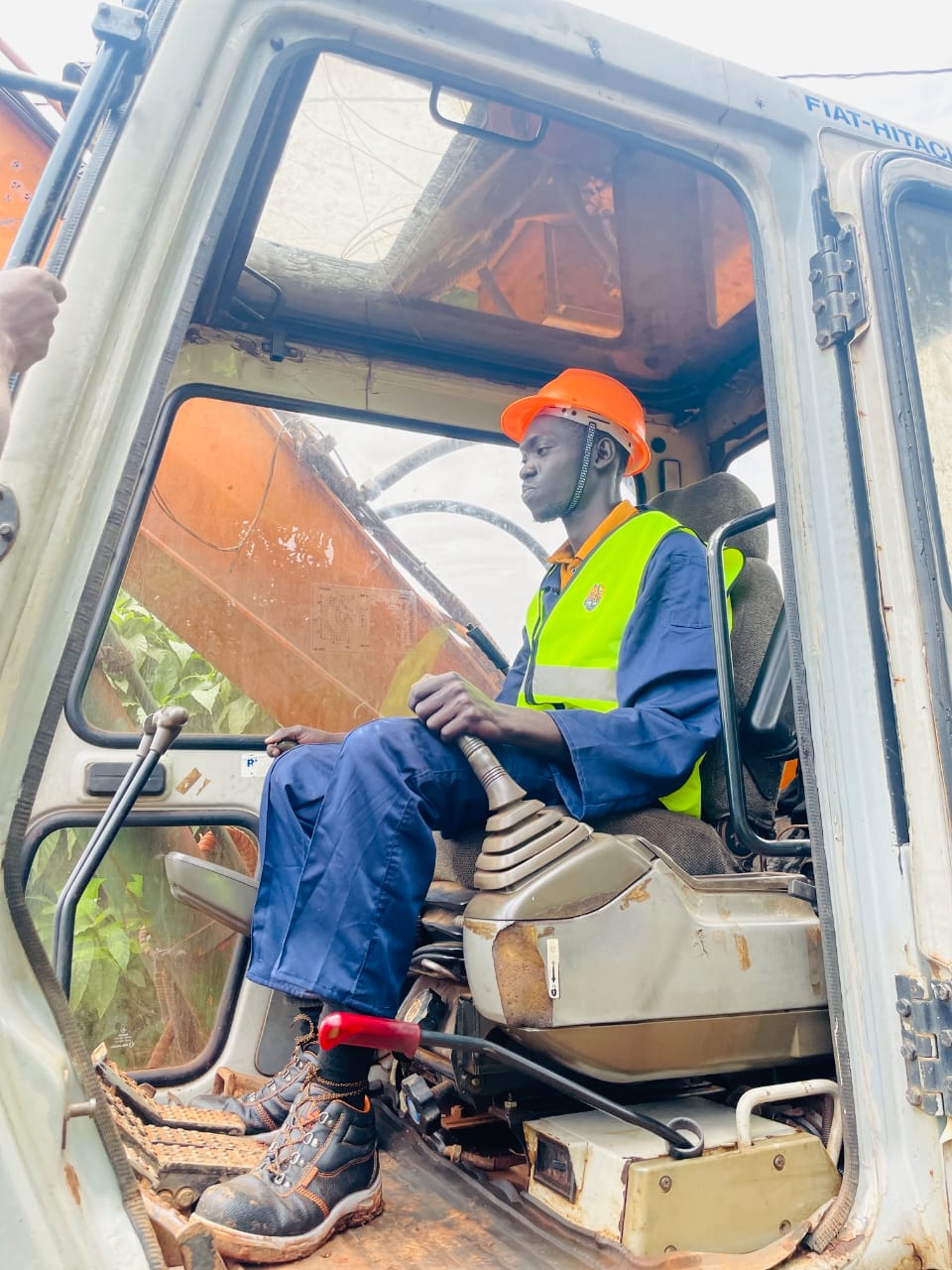
An Excavator trainee mastering precise way of operating an excavator while under supervision

Your instructor can identify your weak areas.

Every learner has different strengths and weaknesses. You might understand machine safety very quickly but struggle with smooth operation.

Another learner may control the machine confidently but need more guidance on pre-start inspections and maintenance checks.

One-on-one machine training allows the instructor to recognize these differences. Instead of giving you exactly the same practical attention as everyone else, the trainer can spend more time on the areas where you need improvement.

If you are already comfortable with one skill, training can progress while additional attention is given to the areas that still require work. That makes the learning experience more personal.

It can build confidence without rushing you

Confidence is important, but confidence should come from competence rather than simply being told that you can operate a machine.

When you repeatedly perform a task correctly under supervision, your confidence begins to develop naturally. You learn how the machine responds. You become more comfortable with the controls.

You begin to understand positioning, movement and attachment control. Eventually, tasks that initially seemed difficult start becoming familiar.

A good instructor should challenge you while still ensuring that you understand what you are doing.
The goal is not to rush you through the machine. The goal is to help you become safe, controlled and capable.
Suggested Training Courses

Trailer Driving Training

Trailer Driving Training

As a trailer driver, gain control and confidence to handle long heavy trucks on highways.

3 Weeks

Practical & Theory

SinoTruck Driving

SinoTruck Driving Uganda 10tyre/12 tyre

Gain the confidence to haul heavy loads safely and secure steady site work on heavy trucks

3 Weeks

Practical & Theory

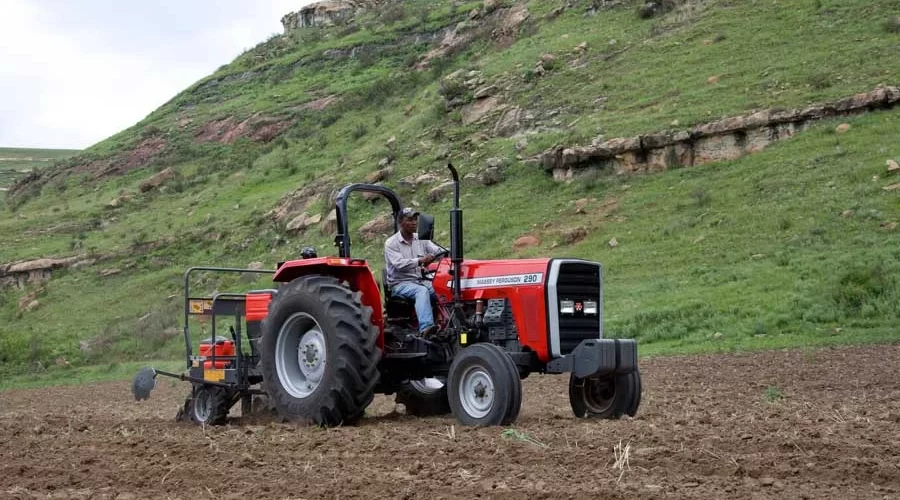
Farm Tractor Operator Training

Farm Tractor Operator Training

Master hands-on practical training designed for modern agricultural operations

3 Weeks

Practical & Theory

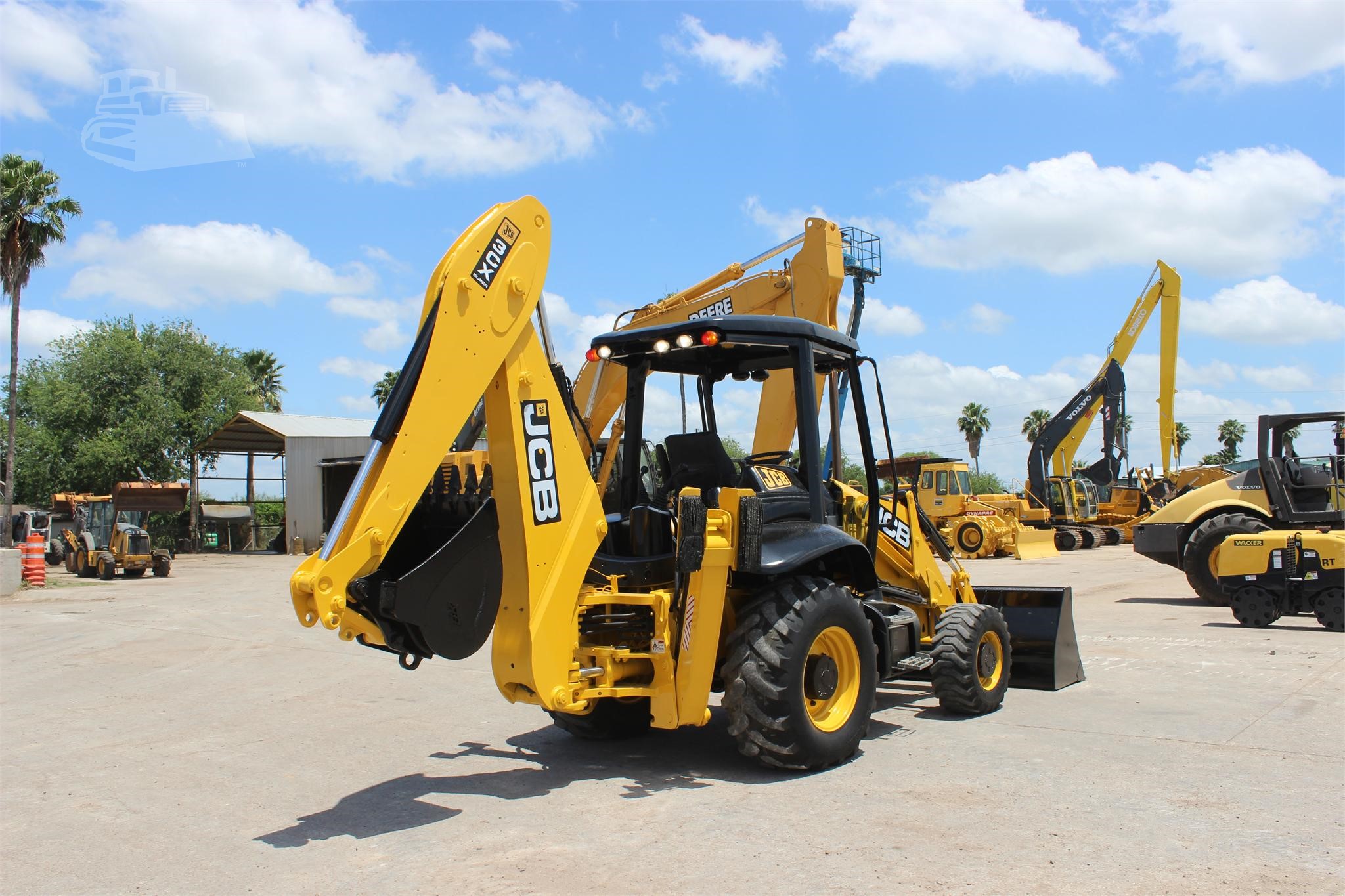
Excavator Operator Training Uganda

Excavator Operator Training Uganda

Become a competent excavator operator with practical skills in controlling and excavations

3 Weeks

Practical & Theory

You can ask questions immediately

Sometimes a trainee does not ask a question in a group because they are afraid it sounds too basic. During one-on-one training, you have a better opportunity to ask about the things you do not understand.

Why does the machine move this way? What happens if I use this control incorrectly? How do I position the excavator before digging? What should I check before starting the machine? Why is the hydraulic system behaving differently?

These questions are important because heavy equipment operation involves much more than moving controls.

Your understanding of the machine’s systems, safety procedures, operating environment and limitations contributes to how effectively you eventually perform the job.

One machine at a time can improve mastery

Trying to learn several machines simultaneously can sometimes make the learning process more complicated, particularly when you are still developing basic operating skills.

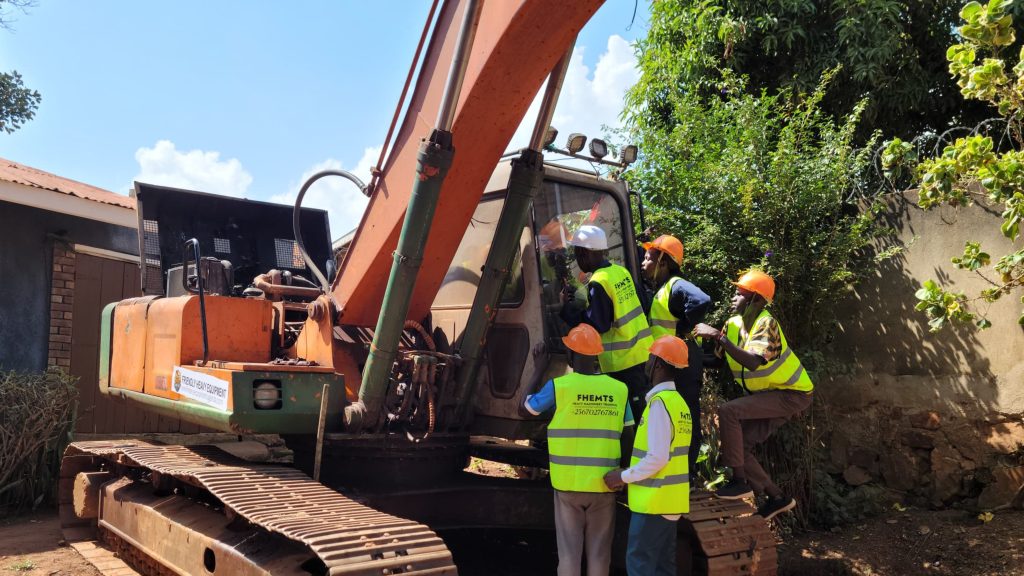
At Friendly Heavy Equipment and Machinery Training School (FHEMTS), trainees are trained on one machine at a time so that they can concentrate on developing practical competence before moving to another machine. This practice involves one-on-one machinery training sessions

This approach gives you an opportunity to become familiar with the machine’s controls, operating procedures, safety requirements and practical applications without constantly switching between different machines.

Once you understand one machine properly, the experience can also make it easier to approach another machine because you have already developed fundamental operator habits.

One-on-one training does not replace theory

Practical operation is only one part of becoming a competent operator. Before you operate heavy equipment, you need to understand safety procedures, machine inspections, basic maintenance, workplace hazards and the responsibilities that come with operating powerful machinery.

This is why effective training should combine theory with practical experience. You should understand what you are doing, why you are doing it and how to do it safely.

Is one-on-one training right for you?

If you are a complete beginner, someone returning to machine operation after a long break, or simply a learner who wants more individual attention, one-on-one machine training can give you a valuable learning advantage.

It gives you room to ask questions, repeat difficult tasks, receive immediate corrections and gradually build confidence through practical experience.

But remember, the quality of the training still depends on the instructor, equipment, training environment and the amount of meaningful practice you receive.

Your machine training should prepare you for more than the controls

When you eventually enter a construction site, quarry, farm, warehouse or road project, nobody will simply ask whether you know which lever moves the machine.

You will be expected to operate responsibly, understand your machine, recognize hazards and work safely around other people and equipment.

That is why one-on-one machine training can make a difference. It gives you the opportunity to learn at your pace while receiving direct guidance where you need it most.

At FHEMTS, the goal is not simply to put you behind the controls. It is to help you develop the practical understanding, safety awareness and confidence needed to approach machine operation as a professional skill.

Share the Post:

In this article...

Scroll to Top