Complete Guide to Heavy Machinery Training Courses in Uganda
Complete Guide to Heavy Machinery Training Courses in Uganda
Heavy Machinery Training Courses
Have you been thinking about enrolling in heavy machinery training courses but aren’t sure where to begin?
Perhaps you’ve seen excavators building new roads, cranes lifting massive loads, or graders shaping highways and wondered how people learn to operate these powerful machines. If that’s you, then you’ve come to the right place.
Choosing the right heavy machinery training courses can be one of the smartest career decisions you ever make, especially in a country like Uganda, where construction, infrastructure development, mining, and industrial projects continue to create demand for skilled machine operators.
The truth is, operating heavy machinery requires much more than sitting behind the controls. It demands technical knowledge, practical skills, confidence, and a strong understanding of workplace safety.
Professional heavy machinery training courses are designed to equip you with these essential skills so that you can work safely, efficiently, and professionally.
Whether your dream is to work on major construction projects in Uganda or pursue opportunities abroad, the journey begins with quality training.
Before we move forward lets understand heavy machinery training courses
Before choosing a training institution, it is important to understand what heavy machinery training courses are and what actually is involved.
These courses are structured training programs that prepare individuals to operate different types of heavy equipment used across various industries.
Rather than focusing only on operating a machine, the courses introduce you to every aspect of professional machine operation, from understanding machine components and conducting daily inspections to practicing safe operating procedures and basic maintenance.
As you progress through your heavy machinery training courses, you gradually build the confidence needed to handle real machines in actual working environments.
You learn not only how to operate equipment but also why certain procedures must be followed to protect yourself, your colleagues, and the machinery itself.
This balanced approach ensures that you become a competent operator who is ready to meet the expectations of modern employers
Why do you think heavy machinery training courses are worth your investment
If you are looking for a career that offers practical skills, steady employment opportunities, and room for growth, heavy machinery training courses are well worth considering.
Uganda’s expanding construction and infrastructure sectors continue to require qualified operators who can work safely and efficiently.
Every new road, commercial building, residential estate, mining project, or agricultural development depends on skilled people who know how to operate heavy equipment correctly.
Completing professional heavy machinery training courses also gives you a competitive advantage when applying for jobs.
Employers are more likely to hire you if you received formal training because they know that trained operators understand safety procedures, respect workplace regulations, and require less supervision.
Instead of learning through costly mistakes, you gain practical experience under experienced instructors who guide you throughout your training.
Perhaps one of the greatest benefits is the confidence you develop. As you spend more time learning both theory and practical operation, machines that once looked intimidating begin to feel familiar.
By the time you complete your training, you are equipped with the skills needed to work confidently in real-world environments.
What will you learn during heavy machinery training courses?
One of the biggest misconceptions about heavy machinery trainingcourses is that they simply teach you how to move a machine from one point to another.
In reality, professional training goes much deeper than that. From your first day, you begin learning about the different types of heavy equipment, their functions, safety features, and operating principles.
This theoretical knowledge provides the foundation that every successful operator needs before stepping into the cab.
As your training progresses, you spend time learning how to identify machine controls, perform daily inspections, recognize potential mechanical problems, and carry out basic preventive maintenance.
You also develop an understanding of workplace safety, communication on construction sites, fuel-efficient operation, and emergency responseprocedures.
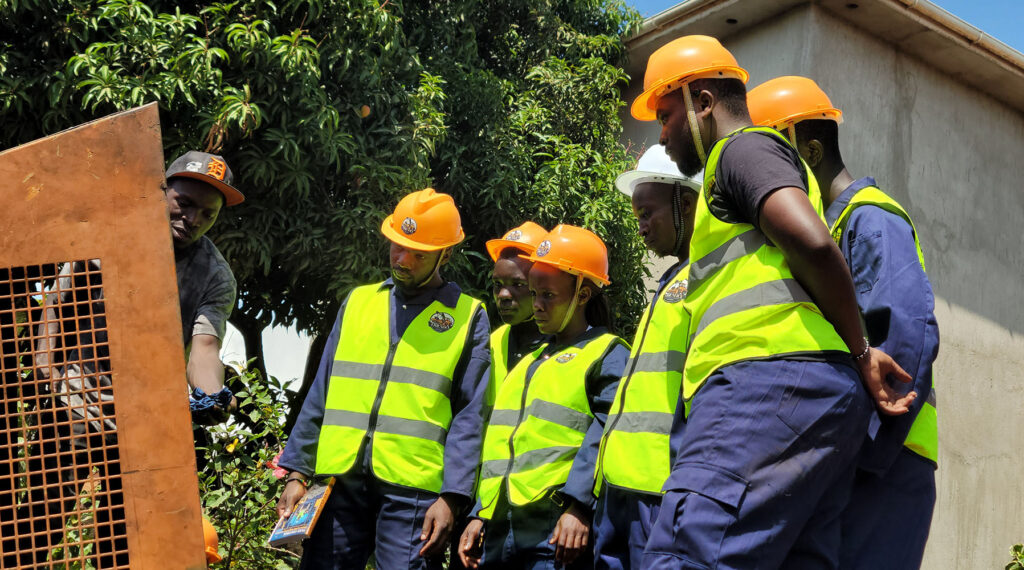
Practical sessions then allow you to apply everything you have learned while working under the supervision of qualified instructors.
This combination of classroom instruction and hands-on experience prepares you to become a professional operator rather than someone who simply knows how to drive a machine.
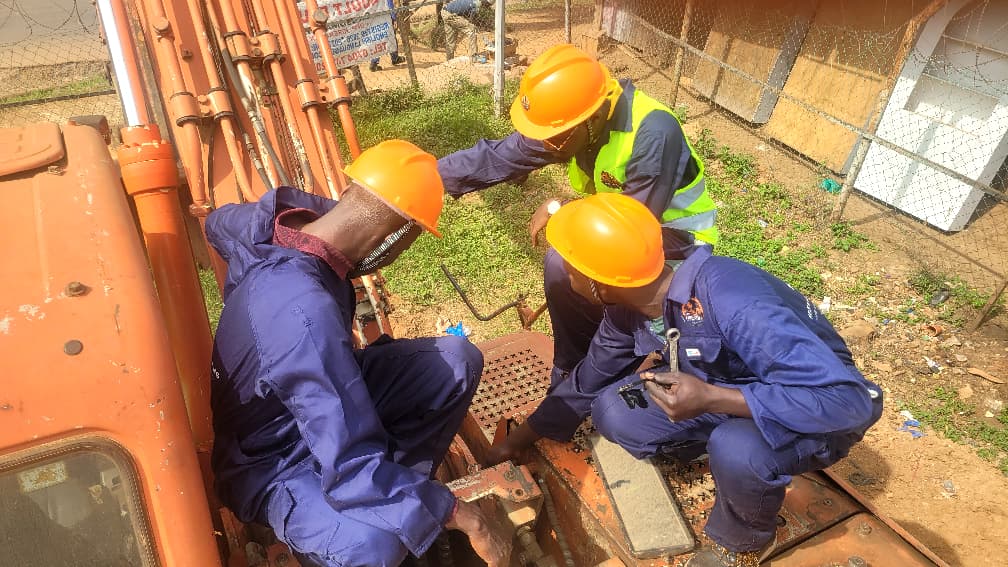
Excavator Trainees carrying out daily inspections and learning basic maintenance routines
Now let’s look at the different heavy machinery training courses available
One of the reasons many people choose heavy machinery training courses is the opportunity to specialize in equipment that matches their interests and career goals.
Different industries rely on different types of machinery, and each machine performs a unique role on the job site.
If you are interested in excavation and earthmoving, excavator trainingteaches you how to dig foundations, trenches, drainage channels, and loading areas with precision.
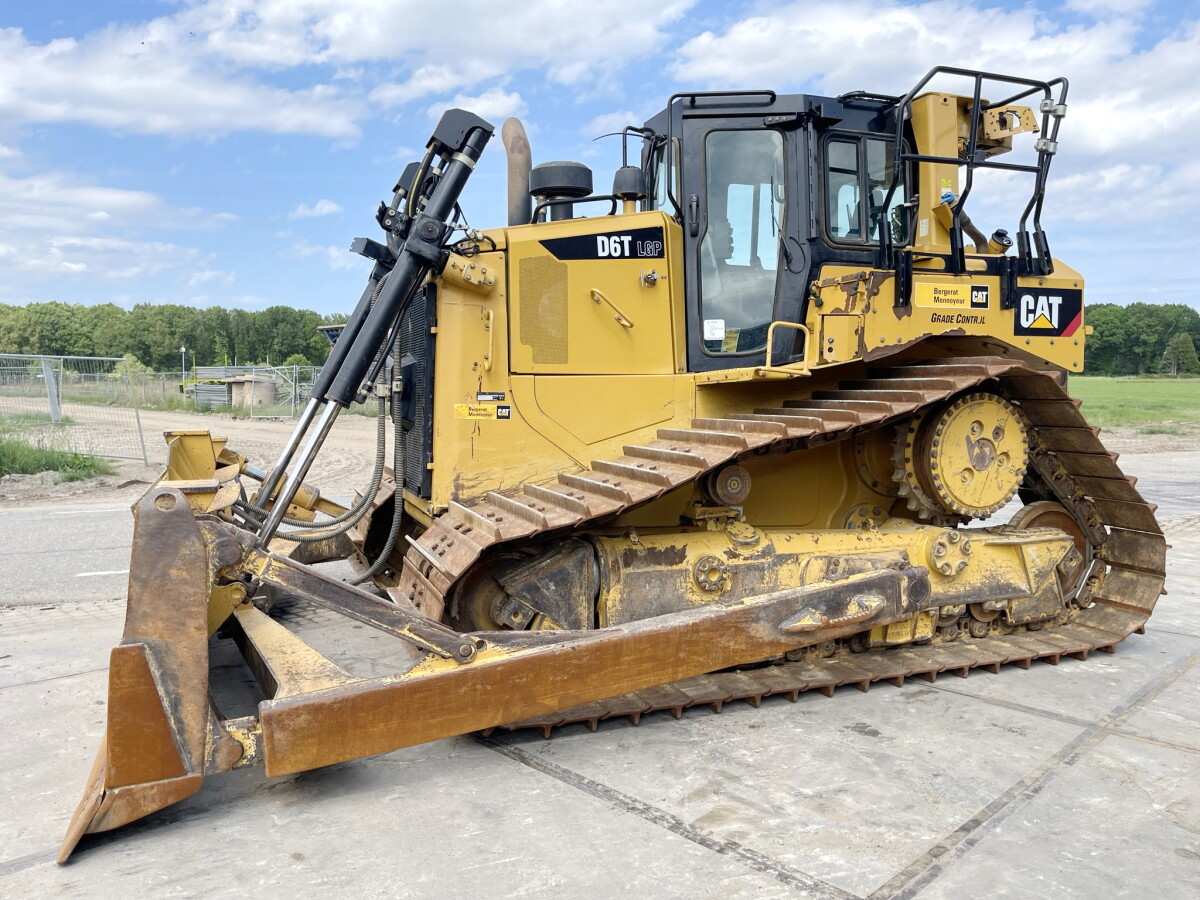
Bulldozer trainingprepares you to clear land, push large volumes of soil, and prepare construction sites for development.
Wheel loader training focuses on loading materials such as gravel, sand, rocks, and soil efficiently while maintaining stability and safety.
Motor grader training introduces you to road shaping, surface leveling, and drainage construction, making it an excellent choice for those interested in road construction projects.
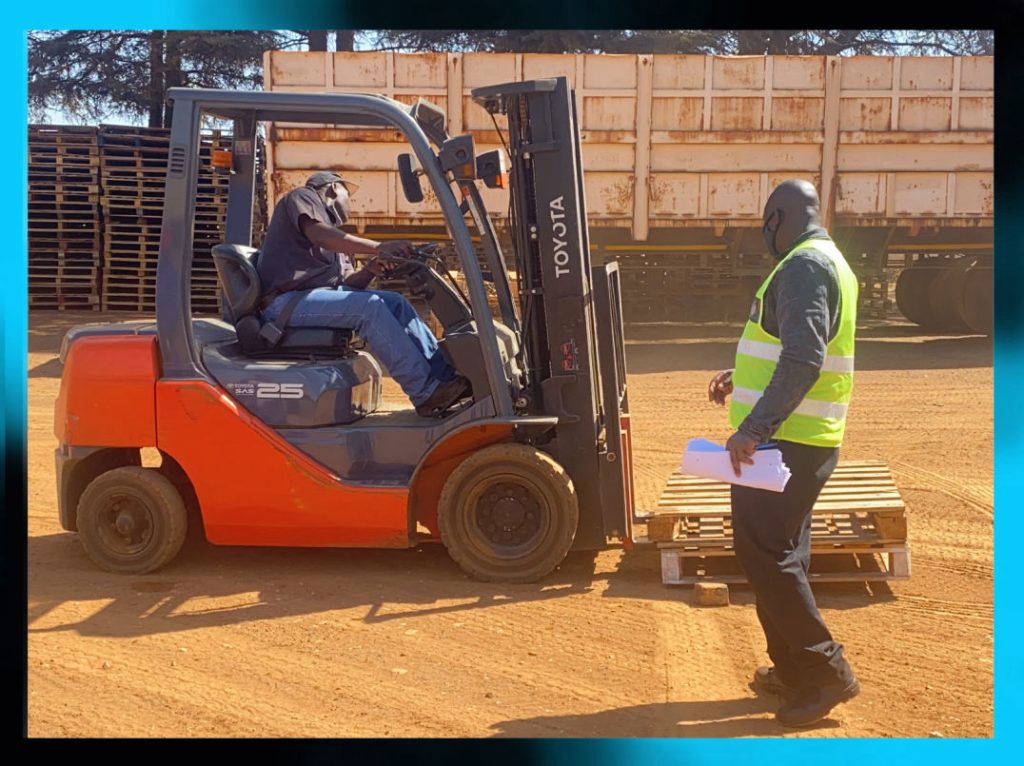
Forklift training prepares you for warehouse and industrial operations where materials need to be lifted, stacked, and transported safely.
Crane operator trainingdevelops the specialized skills required to lift and position heavy materials accurately, while backhoe loader and roller compactor training provide valuable knowledge for construction and infrastructure projects.
Each of these heavy machinery training courses equips you with practical skills that are highly valued by employers across multiple industries.
So who can enroll in any heavy machinery training courses?
Many people assume that heavy machinery training courses are only suitable for individuals who already have construction experience.
Fortunately, that is not the case. These courses are designed for anyone who is willing to learn and build a practical career.
Whether you have recently completed school, are searching for employment, want to change careers, or simply wish to upgrade your existing skills, professional training provides an opportunity to enter one of Uganda’s growing industries.
Even experienced operators often return to training institutions to improve their knowledge, refresh their practical skills, or obtain recognized certification that strengthens their professional profile.
The most important requirement is your willingness to learn. With dedication, regular practice, and guidance from experienced instructors, you can develop the competence needed to operate heavy machinery safely and professionally.
How do you can choose the right training institution
Not all training institutions offer the same quality of education, which is why choosing the right provider is one of the most important decisions you will make.
The best heavy machinery training courses combine comprehensive classroom instruction with extensive practical training using well-maintained equipment.
This balance ensures that you not only understand the theory but also develop the confidence to operate machinery independently.
Before enrolling, take time to learn about the institution’s instructors, training equipment, safety standards, and reputation.
An institution that prioritizes practical learning, experienced trainers, and modern equipment will always provide better preparation for the workplace than one that focuses mainly on classroom lessons.
Remember that quality training is an investment in your future, and the skills you gain today can shape your career for many years to come.
Why practical training makes all the difference
Reading manuals and attending classroom lessons are important, but nothing compares to the experience of operating real machinery.
Practical training is where your confidence grows and where theory becomes reality. During practical sessions, you learn how machines respond under different working conditions, how to position equipment correctly, and how to perform tasks accurately while maintaining safety.
The more time you spend behind the controls, the more comfortable you become handling different situations that arise on actual construction sites.
This practical exposure also helps you develop better judgment, improve coordination, and understand how to work efficiently without compromising safety.
Employers value graduates who have gained meaningful hands-on experience because they are better prepared for the demands of the job.
What would drive you choose to train with FHEMTS any heavy machinery training courses?
If you are looking for professional heavy machinery training courses in Uganda, FHEMTS provides an environment where learning goes beyond the classroom.
The institution combines comprehensive theoretical instruction with extensive practical experience to ensure every trainee develops the confidence and competence required by today’s industries.
AtFHEMTS, students train using real heavy machinery under the supervision of experienced instructors who are committed to developing skilled, safety-conscious operators.
Every lesson is designed to help you understand not only how to operate the machine but also how to inspect it, maintain it, and use it responsibly in different working environments.
Whether your goal is to become an excavator operator, bulldozer operator, grader operator, forklift operator, crane operator, or wheel loader specialist, FHEMTS provides training that prepares you for real employment opportunities.
The institution’s commitment to practical learning and professional development has helped many graduates begin rewarding careers in Uganda and beyond.
Conclusion
Every successful machine operator once stood exactly where you are now, wondering whether taking the first step would truly make a difference. The answer is yes.
Investing in professional heavy machinery training courses gives you practical skills, industry knowledge, and the confidence to pursue opportunities in some of the fastest-growing sectors of the economy.
The future belongs to those who prepare for it, and there has never been a better time to invest in yourself.
By choosing quality heavy machinery training courses, you position yourself to take advantage of these opportunities while building a career you can be proud of.
So, don’t keep wondering what your future could look like. Take the first step today by enrolling in professional heavy machinery training courses at FHEMTS.