
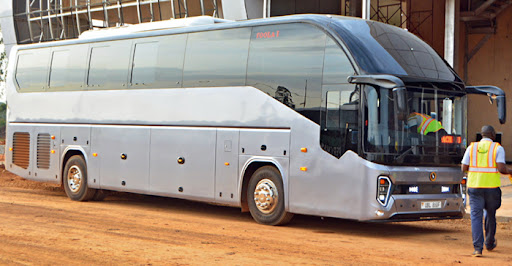
Soft Skills that make you stand out as an operator in Uganda are often neglected but yet they are important.
In the world of heavy machinery, you as a beginner you focus on one thing which is learning how to operate the machine yet technical and soft skills that are critical are only half the story.
What truly separates you as an average operator from a highly sought-after professional is not just how well you handle an excavator, grader, or bulldozer but how you carry yourself on-site.
Employers today are not just hiring operators. They are hiring individuals who possess powerful skills whereby they can communicate clearly, follow instructions, manage pressure, and work effectively with others.
These are what we call soft skills and they are often the deciding factor between getting you hired, getting promoted, or being replaced.
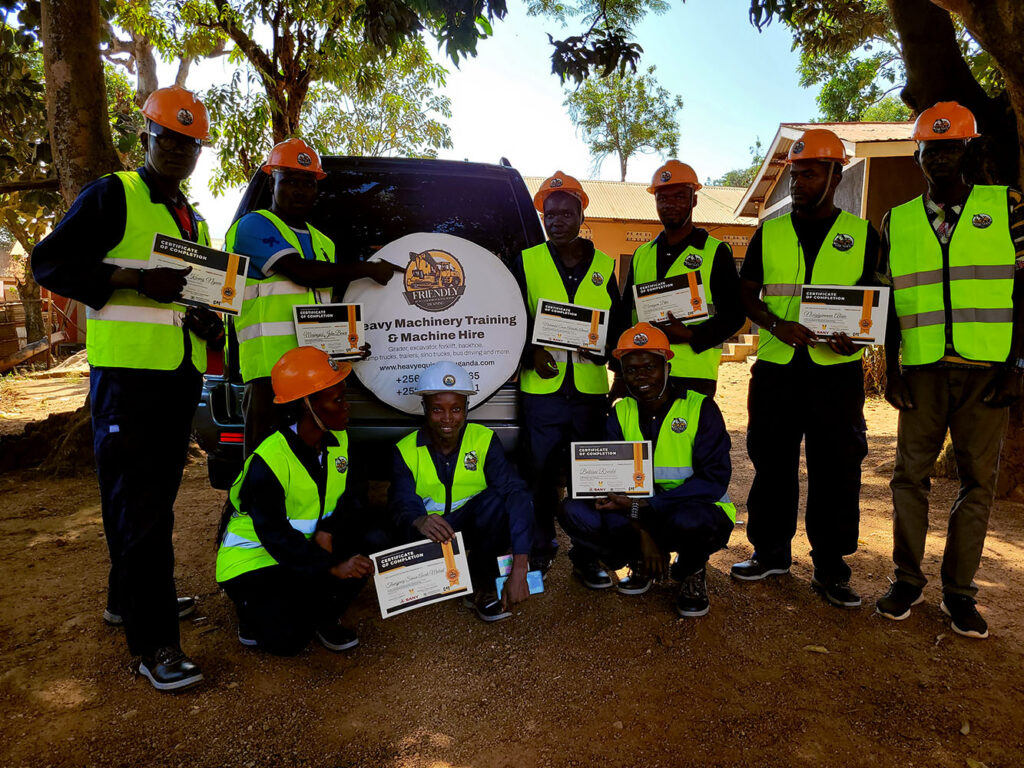
Reasons as to why soft skills matter in heavy machinery operations
It’s easy to assume that operating heavy equipment is purely technical. But step onto any real construction site, and you will quickly realize that success depends heavily on human interaction and personal discipline.
As an operator you work alongside engineers, supervisors, safety officers, and fellow workers. Miscommunication, poor attitude, or lack of responsibility can lead to delays, accidents, or even job loss.
In fact, many employers would rather hire a moderately skilled operator with strong soft skills than a highly skilled one who is difficult to work with.
Soft skills are helpful to you as an operator because they build trust with supervisors and colleagues, avoid costly mistakes and accidents, improve efficiency on-site and position yourself for leadership roles
Here are the top 11 essential soft skills that make you stand out as an operator.
1. Communication Skills
This is the backbone of everything that makes you a successful operator. Clear communication is one of the most critical skills on any worksite.
As an operator, you will constantly receive instructions, give feedback, and coordinate with others.
Imagine being assigned to dig a trench but you get misunderstandings of the depth or direction. A simple communication error can lead to wasted time, damaged infrastructure, or safety risks.
Strong communication to you as an operator means listening carefully to instructions, asking questions when unsure, giving clear signals when operating machinery and reporting issues promptly
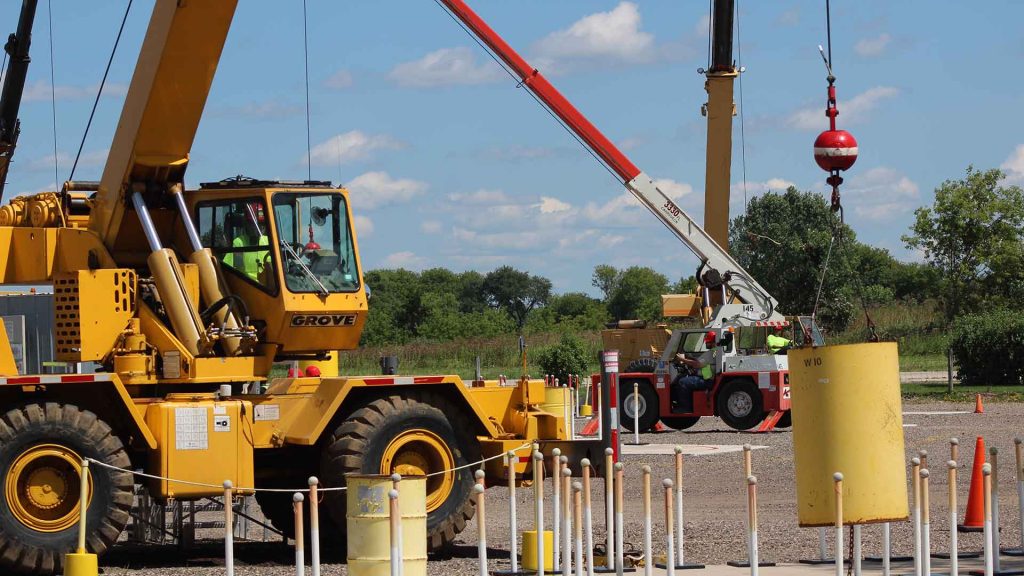
In some training centers like Friendly Heavy Equipment & Machinery Training Center, trainees are encouraged to practice real-site communication scenarios to prepare for actual job environments. Therefore this is something you really need to have as an operator
2. Discipline and Professionalism
This is a skill that employers notice first. You might think your machine skills will speak for you but in reality, your behavior speaks louder.
Discipline is always reflected in the way you arrive on time, follow safety rules, respect supervisors and colleagues and how you maintain focus during work hours
Professionalism is what keeps you employed for a long-term. If you’re disciplined as an operator, then it means your seen as a reliable profession which is one of the most valuable traits in the construction and logistics industry.
3. Teamwork
One thing you should always put at the back of your mind is that you are never working alone. There is no way you as a heavy machinery operator can work in isolation.
Every task you perform is part of a larger system involving multiple people. Whether you’re loading materials, grading a road, or operating an excavator, your work directly affects others on-site.
You need to reflect good teamwork by supporting colleagues when needed, respecting roles and responsibilities, coordinating movements safely and sharing information clearly
Operators who work well in teams are often the first to be recommended for bigger projects. In this case, you need to emulate and possess this skill
4. Problem-Solving Skills
As a professional operator you need to think beyond the controls because it is very important in heavy machinery. Machines don’t always behave perfectly. Work conditions change. Unexpected challenges arise.
As a standout operator you don’t need panic but instead think critically and finds solutions.
Problem-solving includes, identifying issues early, making quick and safe decisions, adjusting to site conditions, preventing small problems from becoming major ones
You need this skill because it is valuable in high-pressure environments like road construction and mining.
5. Attention to Detail
At any site of operation, you need to reflect in mind that any small mistake, can lead to big consequences.
One thing you should never forget is that in heavy machinery, even a small mistake can have serious consequences.
if your digging slightly off position, overloading a truck, or missing a safety check can lead to equipment damage, project delays and safety hazards
if you have the skill of being attentive to details, your in position of ensuring that work is done accurately, safety standards are maintained, and instructions are followed precisely
It’s this level of precision that separates you as a professional from amateurs.
6. Time Management
Through time management you operate efficiently and this gets you noticed. Construction and industrial projects operate on tight deadlines. Delays cost money and no employer wants that.
You as an operator who understands time management, yo can complete tasks efficiently, avoid unnecessary downtime and prioritize work effectively. Being fast is good but being efficient and accurate is even better.
7. Adaptability
This is a skill that reflects you can thrive in changing environments. No two worksites are the same.
One day you might be working in a busy urban construction site, and the next in a remote rural area. Weather changes, site conditions shift, and project demands evolve.
In this case, adaptability means you adjust to new environments quickly, learn new machines when required and stay calm under pressure
if you’re an operator who adapts easily, then you are highly valued because you can fit into any project.
8. Safety Awareness Skill
This is a non-negotiable skill you must possess and therefore you must have it at the back of your mind always. Safety is not just a rule it’s a mindset.
Every action you take as an operator must prioritize safety, not just for yourself but for everyone around you.
you must always ensure that you follow all safety protocols, conduct pre-operation checks, stay alert at all times and understand site hazards
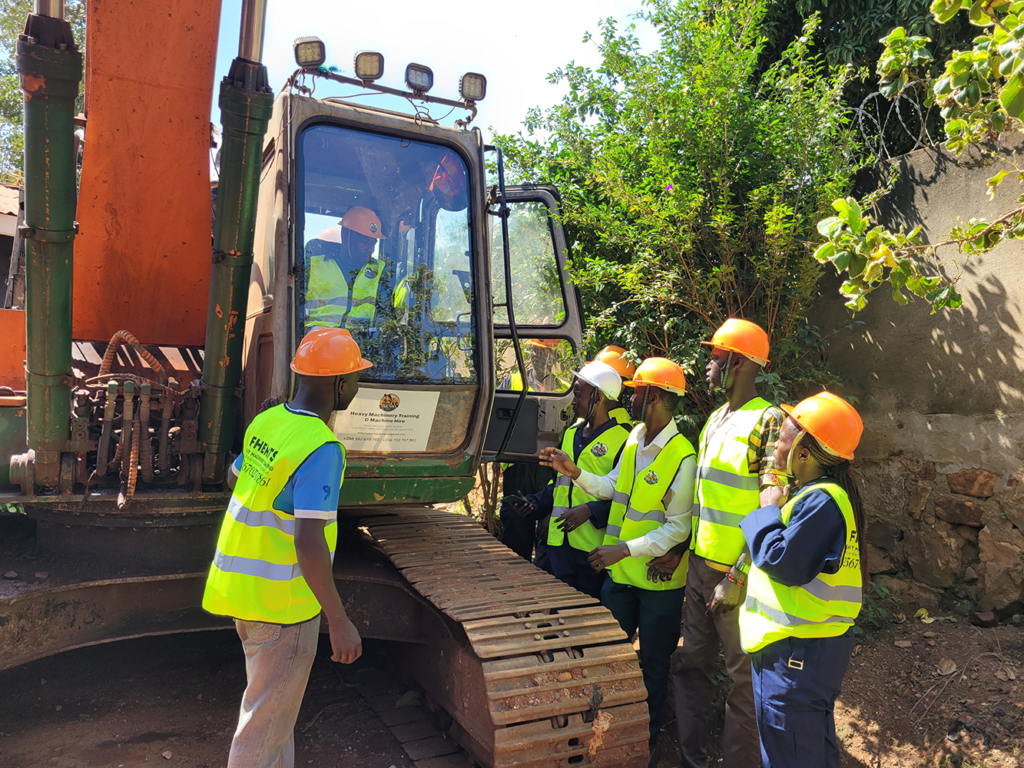
Training institutions like Friendly Heavy Equipment & Machinery Training Center emphasize safety as a core part of every program because it directly impacts career longevity. It is of this view that you as a professional operator you must have it at the back of your mind
9. Emotional Intelligence Skill
Always learn to Control Yourself Under Pressure. Worksites can be stressful in form of ensuring that you meet deadlines, noise, and physical demands which can easily lead to frustration.
Emotional intelligence helps you to stay calm in difficult situations, handle criticism professionally, avoid conflicts with colleagues and maintain focus under pressure
If your an operator who can manage emotions then you’re seen as mature and dependable.
10. Willingness to Learn
This is one skill that keeps you growing. As operator that wants to become better you should never stop learning.
Technology evolves each and every day which reflects that you must always be open to learning. New machines are introduced. Better techniques are developed.
In this case, if you remain open to learning, you can upgrade your skills, increase your earning potential and move into supervisory roles
11. Work Ethics
Your good reputation on every site is of an added advantage in the employment world. Your work ethic determines how people talk about you when you’re not around.
These are some of the questions you should ask yourself; Are you:
- Reliable?
- Honest?
- Hardworking?
if you have built strong work ethics, then that means you have a positive reputation in construction industries. Your reputation can open more doors than qualifications.
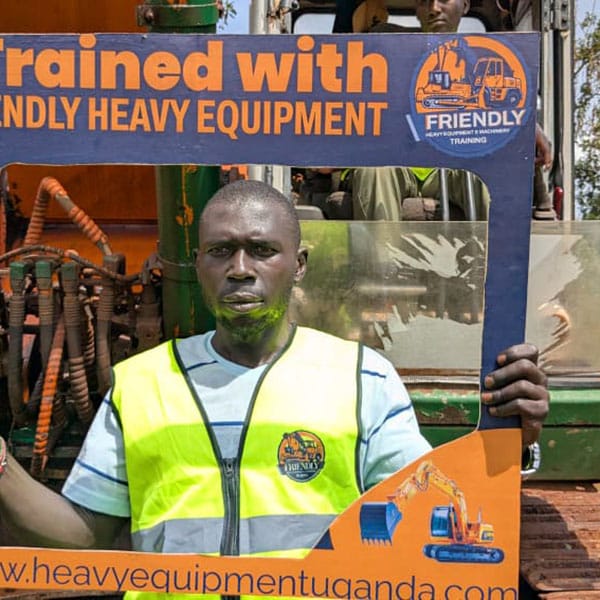
Below are some of the ways how Friendly Heavy Equipment & Machinery Training Center can help you build these Skills
Learning soft skills doesn’t happen by accident but it requires intentional training and guidance. At Friendly Heavy Equipment & Machinery Training Center, trainees are exposed to:
- Real-life work simulations
- Team-based practical sessions
- Instructor feedback on behavior and performance
- Safety-focused training environments
This ensures that graduates are not only skilled operators but also professionals ready for real-world challenges. in this case therefore you need to look for a better training institute that can up your game to adopt these skills.
Here is the hidden truth as to why soft skills can make or break your career
Two operators may have the same technical ability but their careers can take completely different paths.
One grows quickly, gets promoted, and earns more. The other struggles to keep jobs despite being skilled.
The difference comes in as a result of Soft skills. In life, you should have it in mind that employers always remember;
- You as an operator who communicates clearly
- You as an operator who solves problems without supervision
- You as an operator who shows respect and discipline
With this reputation your fit to get variety of opportunities and recommendations. In this case you should always game up your soft skills.
Master the trade and let your reputation be made.
In this life you live, your skill alone is not enough but your character completes it. Becoming a heavy machinery operator is a powerful career move.
But if you truly want to stand out, grow faster, and earn more, you must go beyond just learning how to operate machines.
You must build the soft skills that turn you into a complete professional. Communication, discipline, teamwork, safety awareness, and adaptability are not optional but they are essential.
They are what make employers trust you, recommend you, and invest in you. And the best part is, these skills can be learned, practiced, and mastered just like operating a machine.
If you’re serious about building a successful career in this industry, then where you train matters.
You need to take up the next step and enroll.
At Friendly Heavy Equipment & Machinery Training Center you don’t just learn machines, but you become a professional operator ready for real-world success.
Your future in heavy machinery starts with both skill and character. Make sure you build both.