

Motor Grader vs Bulldozer: Kuelewa Majukumu Yao Tofauti

Motor Grader vs Bulldozer: Kuelewa Majukumu Yao Tofauti

Motor grader vs tingatinga
Barabara inaweza kuonekana kama ukanda wa udongo unaosubiri kubadilishwa, lakini chini ya eneo hilo mbovu kuna mchakato uliopangwa kwa uangalifu.

Moja mashine inaweza kuwa inasukuma ardhi kubwa mbele huku nyingine baadaye ikipita juu ya ardhi ileile, ikifanya miondoko inayoonekana kuwa ndogo zaidi lakini inaweza kubainisha jinsi barabara iliyokamilika inavyofanya kazi vizuri.

A greda ya gari na tingatinga linaweza kuonekana kama mashine mbili zinazofanya kazi sawa unapozitazama kwenye tovuti ya ujenzi wa barabara, lakini majukumu yao halisi ni tofauti kabisa.

Ingawa mashine zote mbili zinaweza kufanya kazi na udongo na kuchangia katika uundaji wa barabara, kiweka alama cha gari kinahusishwa kimsingi na usahihi, uundaji wa uso na umaliziaji, ilhali tingatinga inajulikana zaidi kwa kusukuma kwa nguvu, kusafisha na kutikisa ardhi.

Understanding what a motor grader does compared with a bulldozer helps you see why both machines are valuable at different stages of a road project. A road cannot be created simply by moving soil from one place to another.

Uundaji lazima ufanyike kwa usahihi, mteremko lazima uanzishwe, maji lazima yaelekezwe mbali na barabara na uso lazima uwe tayari kwa tabaka ambazo hatimaye zitasaidia trafiki. Hapa ndipo grader ya motor inakuwa muhimu sana.

Je! Grader ya Magari Inatumika kwa Miradi ya Barabarani

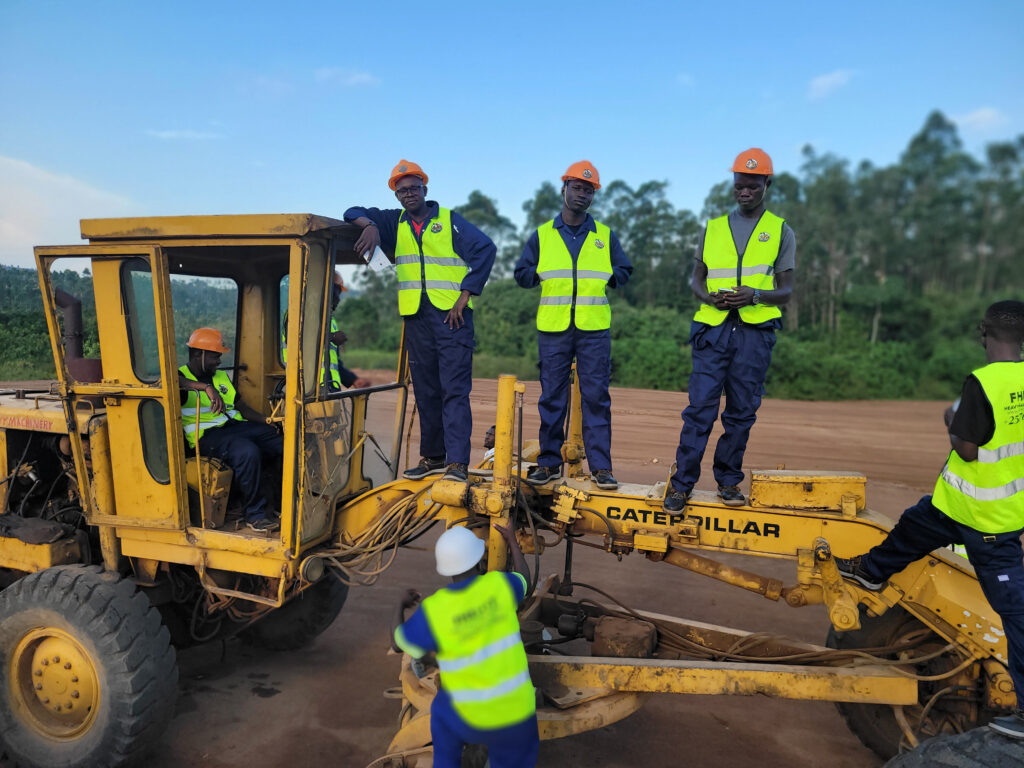
Grader ya motor ni moja ya mashine zinazotambulika zaidi kwenye mradi wa ujenzi wa barabara kwa sababu ya sura yake ndefu na blade iliyowekwa katikati.

Tofauti na a tingatinga, which uses its front blade primarily for pushing material, the grader is designed to manipulate and distribute material with a much higher level of precision.

A motor grader can trim high spots, spread material across the formation, establish the required road profile and create the cross-slope needed for drainage.

The machine can also be used for maintaining gravel roads, shaping shoulders and forming slopes or drainage channels. This means the operator is not simply trying to make the ground look flat.

The objective is to achieve a particular shape and level that corresponds with the road design.
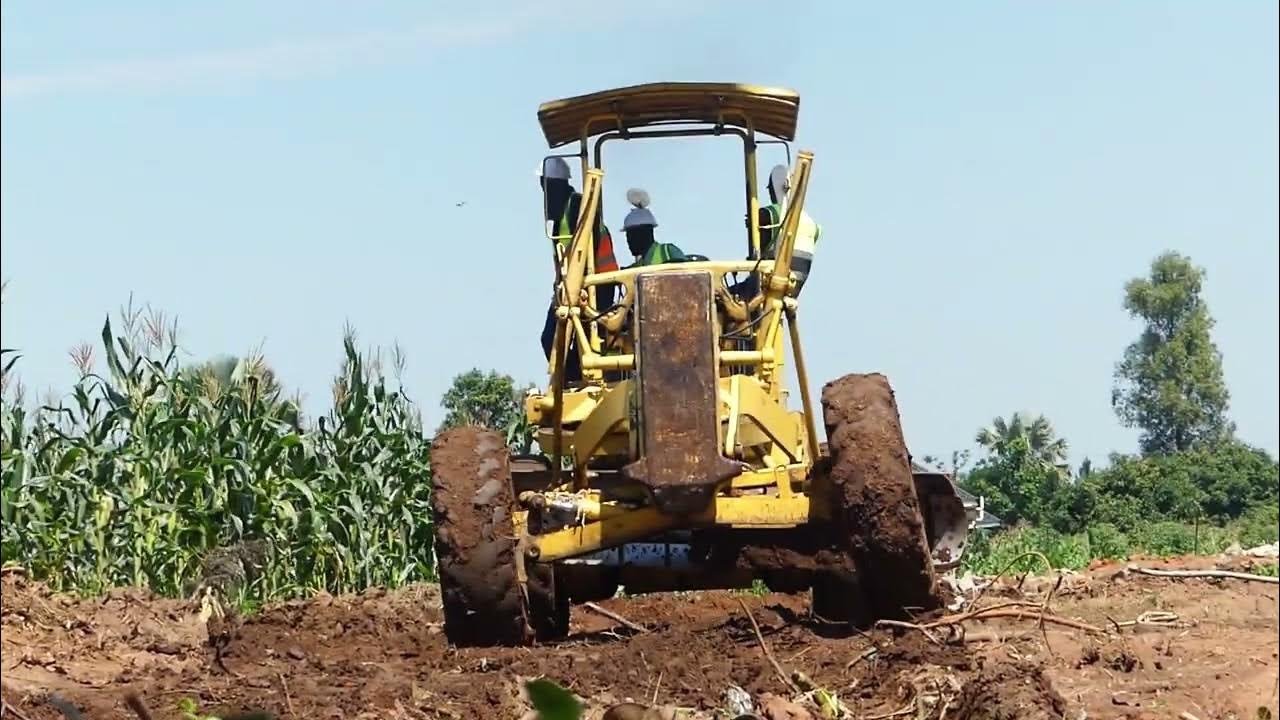
Mafunzo ya Uendeshaji wa Grader

Where Does the Bulldozer Come In?

Before the motor grader can perform its finishing work, the site often needs substantial preparation. This is where the bulldozer becomes extremely useful.

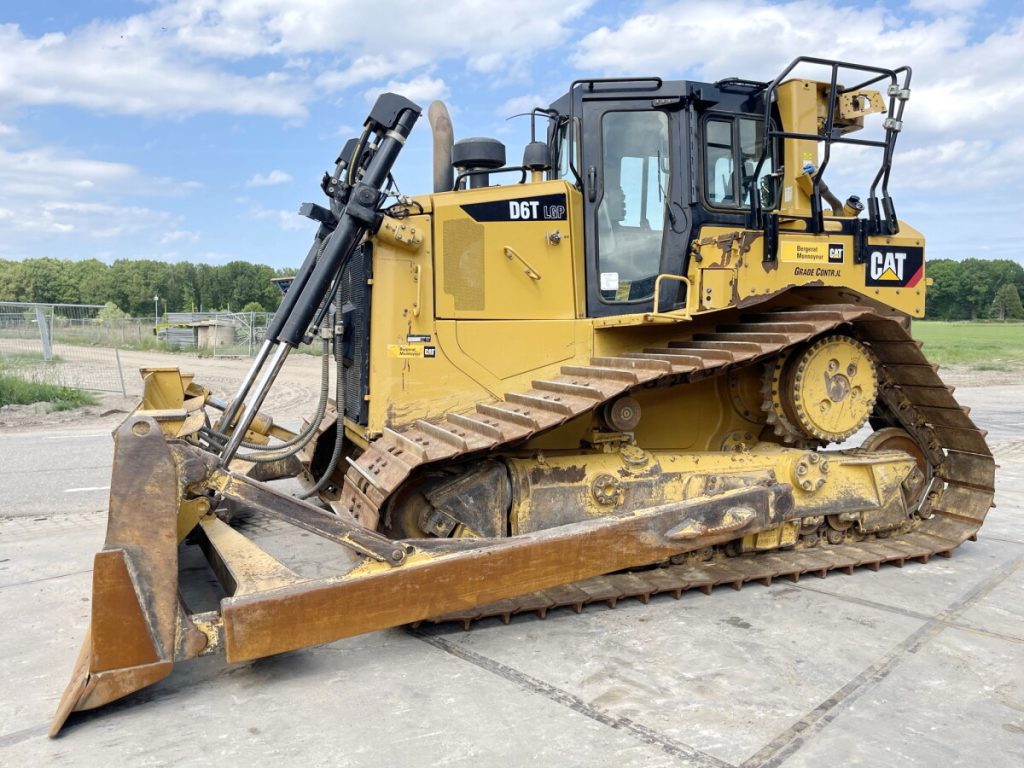
A tingatinga is built around pushing power. Its heavy blade can clear vegetation, move soil, push rocks and reshape rough terrain.

During the early stages of a road project, it may be used to establish the basic road alignment and move large quantities of material into approximately the right position.

The difference becomes clearer when you consider the sequence of work. The bulldozer helps create the rough formation, while the motor grader takes that formation and refines it.

The two machines are therefore not necessarily competing for the same job. In an efficient construction operation, they can complement each other.

Why Is a Motor Grader Better for Precision?

Imagine looking across a newly prepared road formation. From a distance, the surface might appear reasonably level, but small ridges, depressions and incorrect slopes can remain. Those small differences matter.

A motor grader allows the operator to make controlled adjustments to the surface. Its blade can be angled and positioned to cut material from one area and distribute it across another.

The operator can progressively refine the road until the required profile is achieved. This precision is especially important because roads need to manage water.

A properly shaped surface helps prevent water from simply sitting on the carriageway, while appropriate slopes and drainage features help move runoff away from the road.

The grader therefore plays a role that goes far beyond making a road look smooth.

Can a Bulldozer Replace a Motor Grader?

This is one of the most common questions when comparing these machines. A bulldozer can certainly level and shape ground to a certain extent, and experienced operators can achieve impressive results with one.

However, its primary design is for pushing and rough earthmoving rather than the fine finishing required on many road formations.

A motor grader provides much greater control for detailed surface work. Its blade position, machine articulation and operating characteristics allow the operator to make adjustments that would be difficult to achieve as efficiently with a bulldozer.

This is why trying to use the bulldozer for every stage can reduce efficiency. The machine may spend additional time making passes that a grader could complete more precisely.

Kozi za Mafunzo zilizopendekezwa

Motor Grader vs Bulldozer: Kuelewa Majukumu Yao Tofauti

Mafunzo ya waendeshaji wa daraja la juu nchini Uganda

Kuwa mtaalam mzuri wa darasa la magari, jifunze jinsi ya kuweka alama, kiwango, kuchukua udhibiti wa hali ya juu

Wiki 3

Vitendo

Mafunzo ya Uendeshaji tingatinga nchini Uganda

Mafunzo ya Uendeshaji tingatinga Nchini Uganda

Mafunzo yetu ya tingatinga hukupa ujuzi wa kusafisha ardhi na harakati za ardhi nzito

Wiki 3

Vitendo

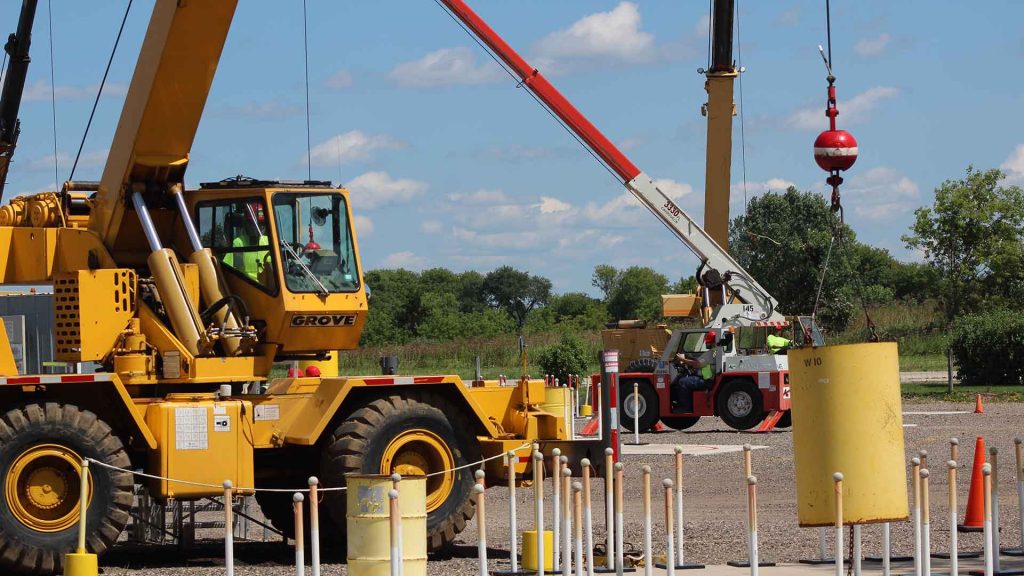
Mafunzo ya Simu ya Crane Uganda.

Mafunzo ya Simu ya Crane Uganda

Mafunzo ya korongo ya rununu hukupa vifaa vya kuinua mizigo mizito kwa usalama na kupata kazi ya tovuti yenye ujuzi

Wiki 3

Vitendo

Mafunzo ya Uendeshaji wa Crane ya Simu

Mafunzo ya Simu ya Crane Uganda

Pata ujuzi wa kitaalamu wa uendeshaji wa korongo ya rununu.

Wiki 3

Vitendo

How does a motor grader prepare a road surface?

Once the rough formation is ready, the motor grader can begin refining it. The operator studies the existing surface and works systematically across the road, cutting high areas and redistributing material where necessary.

The blade angle is particularly important. A slight change can influence how material moves beneath the blade, while machine speed affects how smoothly the material is distributed.

The operator may also need to establish the road’s camber or cross-fall. This gives the surface the appropriate shape for drainage rather than leaving it completely flat.

Depending on the project, the motor grader can also help shape road shoulders, slopes and drainage channels, making the operator’s understanding of the overall road design extremely important.

What skills does a motor grader operator need?

Operating a motor grader requires more than knowing which control moves the blade. The operator needs to understand how the machine responds to different ground conditions and how blade adjustments affect the finished surface.

Usahihi is particularly important because unnecessary passes consume fuel, increase operating time and can disturb material that has already been correctly placed.

The operator must also maintain awareness of workers, vehicles and other machines operating nearby. Road construction sites can change rapidly, so safe machine positioning and good communication are essential.

For someone entering heavy equipment operation, learning how to combine machine control with observation and judgement is what turns basic operation into professional operation.

Why do road projects need both machines?

A successful road project depends on different machines performing complementary tasks. The bulldozer may clear the alignment and push large amounts of soil.

Wachimbaji may handle deeper excavation and drainage structures, while trucks transport materials. Once the formation has been established, the motor grader can refine the surface before compaction and the placement of additional road layers.

This sequence saves time because each machine is being used according to its strengths. The bulldozer provides the muscle needed to transform difficult terrain, while the motor grader provides the precision needed to turn that rough formation into a properly shaped road.

Which machine is more important?

It is difficult to call one machine more important because the answer depends on the stage of construction.

If a site requires heavy clearing and substantial movement of soil, the bulldozer may be the machine doing the most visible work. But once the road reaches the finishing and shaping stage, the motor grader becomes crucial.

Understanding this difference is particularly valuable for aspiring operators. At FHEMTS, learning about different machines involves understanding not only their controls but also how their capabilities fit into real construction operations.

The next time you see a motor grader travelling slowly across a road construction site, do not mistake its controlled movements for simple work. Every blade adjustment can influence the level, shape and drainage of the road.

The difference becomes clear on the finished road

The best way to understand the motor grader is to look at the road after the construction equipment has left. The smooth formation, carefully shaped shoulders, controlled slopes and drainage profile are all results of decisions made during construction.

The bulldozer may have provided the power to transform the original terrain, but the motor grader helps give the road the precision it needs.

If you are interested in learning how heavy equipment is operated and how machines such as graders and bulldozers contribute to construction projects, FHEMTS can help you develop practical knowledge and professional operating skills.

Jiandikishe at FHEMTS today and take the next step toward becoming a trained heavy equipment operator in Uganda.

Shiriki Chapisho:

Katika makala hii...

Tembeza hadi Juu