
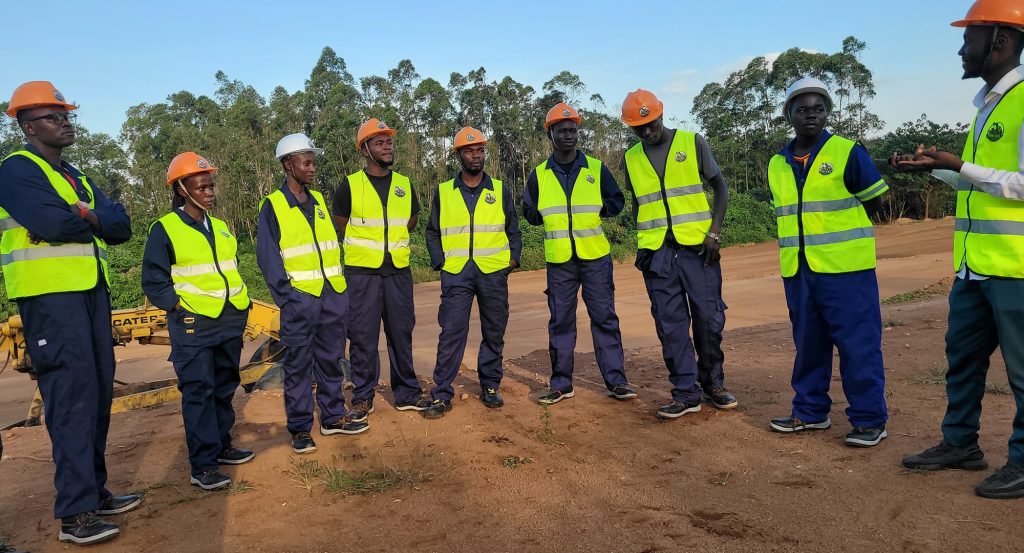


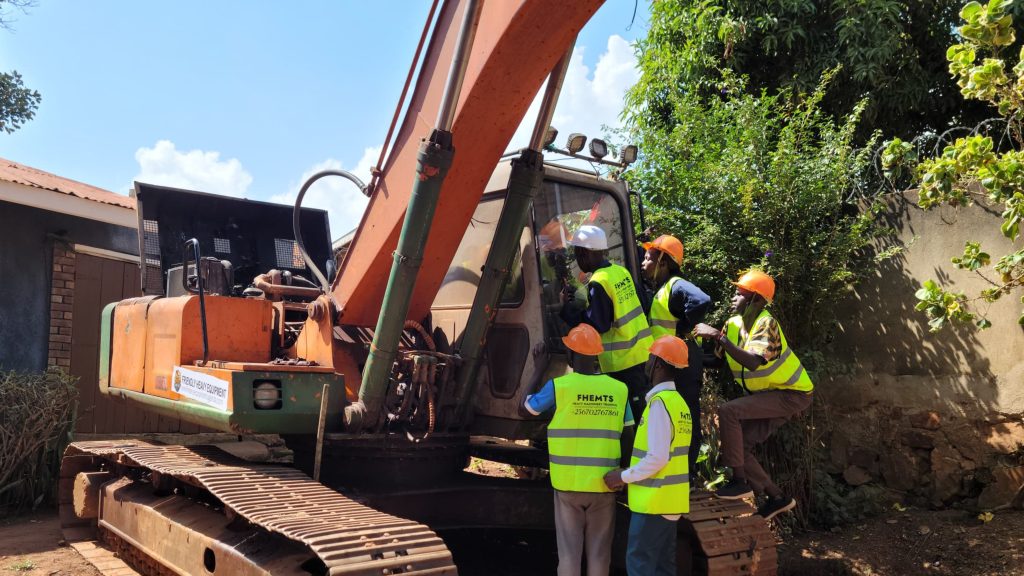

Bulldozer Blades and their applications in Uganda
Have you ever watched a bulldozer push tons of soil with ease and wondered what makes it so effective?
While many people focus on the size of the machine or the power of its engine, the real work is done by one essential component which is the blade.
Every bulldozer relies on its blade to push, clear, level, and shape the ground, making it one of the most important attachments in the construction industry.
Understanding bulldozer blades can help you appreciate how these powerful machines transform landscapes and why choosing the right blade matters on every project.
Across Uganda, bulldozers are playing an increasingly important role in road construction, commercial developments, agriculture, mining, and infrastructure expansion.
From clearing land for new housing estates in Wakiso to opening access roads in northern Uganda and preparing farmland in western regions, bulldozers are among the first machines to arrive on site. However, their performance depends largely on the type of blade fitted to the machine.
If you are planning to become a heavy equipment operator or you already work around construction machinery, learning about bulldozer blades gives you a practical advantage.
Professional operators understand that every project requires the right equipment, and selecting the appropriate blade improves productivity, reduces fuel consumption, minimizes machine wear, and delivers better results.
Why bulldozer blades are Important
A bulldozer is designed to move large quantities of material, but it cannot perform efficiently with just any blade.
Different projects require different pushing capacities, cutting angles, and handling characteristics.
The blade determines how much material the machine can carry, how accurately it can level the ground, and how effectively it can work in different environments.
Imagine preparing land for a new highway in Uganda. The bulldozer may need to remove vegetation, push loose soil, spread gravel, or level the surface before construction begins.
Each of these tasks places different demands on the machine. Choosing the correct blade helps complete the work faster while reducing unnecessary strain on both the operator and the equipment.
As a professional or a beginner operator you need to know that understanding bulldozer blades is not just about equipment knowledge however it is about working smarter.
This is one of the practical skills emphasized during heavy machinery training because employers value operators who can match equipment to specific site conditions.
Here are some of the different types of bulldozer blades.
Straight Blade (S-Blade)
The Straight Blade, commonly known as the S-Blade, is one of the simplest and most versatile bulldozer blades.
It has a short, flat design without large side wings, making it ideal for pushing materials over short distances and creating smooth, level surfaces.
In Uganda, straight blades are frequently used on construction sites where accuracy is more important than carrying large amounts of material.
They perform well during site preparation, road grading, and finishing work where operators need greater control.
Because the blade has a relatively simple design, it also provides good visibility, allowing operators to work with greater precision in confined spaces.
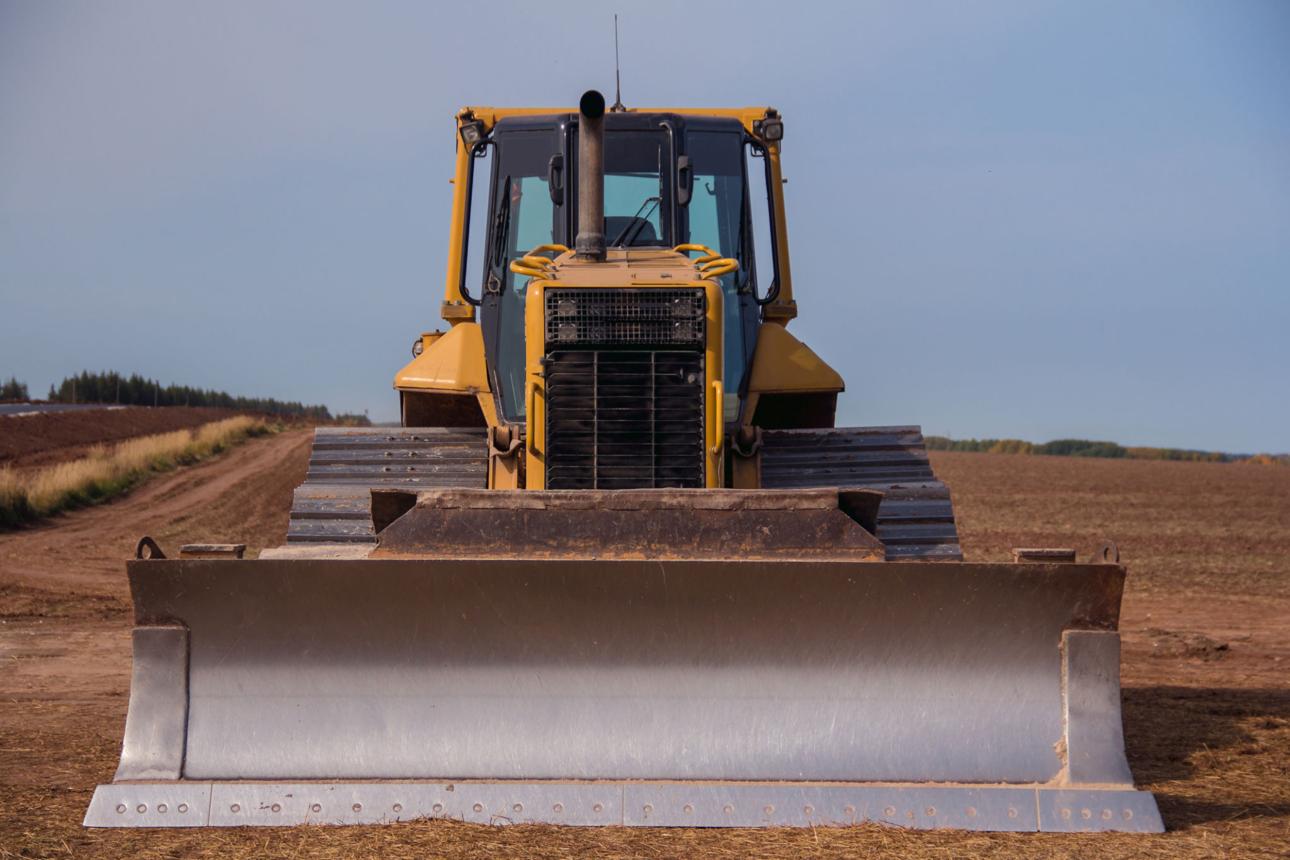
Universal Blade (U-Blade)
The Universal Blade is easily recognized by its curved shape and large side wings. These features allow it to carry a much larger volume of material compared to other bulldozer blades.
This blade is particularly useful for moving loose soil, sand, and gravel over longer distances. It is commonly used during large-scale earthmoving projects, dam construction, mining operations, and major road developments.
In Uganda, contractors working on extensive infrastructure projects often prefer the U-Blade because it reduces the number of passes required to move material, improving productivity and lowering operating costs.
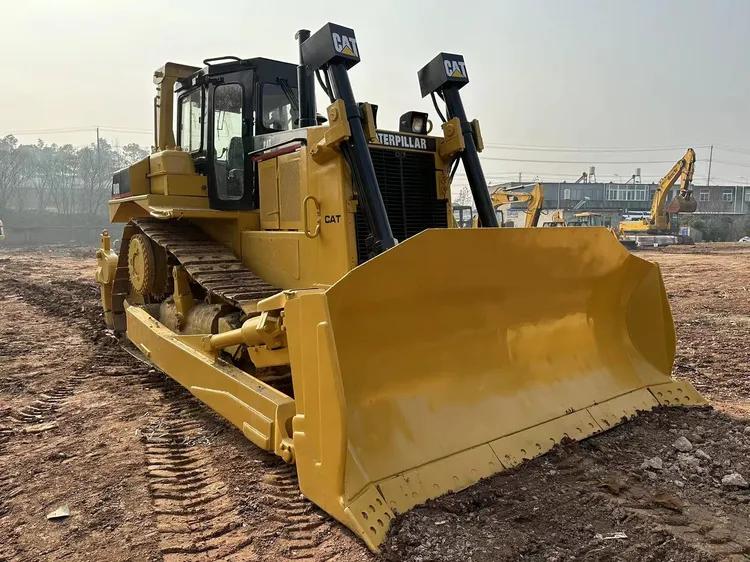
Semi-Universal Blade (SU-Blade)
The Semi-Universal Blade combines the strengths of both the Straight Blade and the Universal Blade.
It features moderate side wings that increase carrying capacity while maintaining good penetration into the ground.
This balance makes it one of the most commonly used bulldozer blades in the construction industry.
It performs well in projects involving mixed materials such as soil, gravel, and partially compacted ground.
As a beginner or professional operator in Uganda you may rely on the SU-Blade because it is flexible enough to handle a variety of earthmoving tasks without requiring frequent equipment changes.
Angle Blade
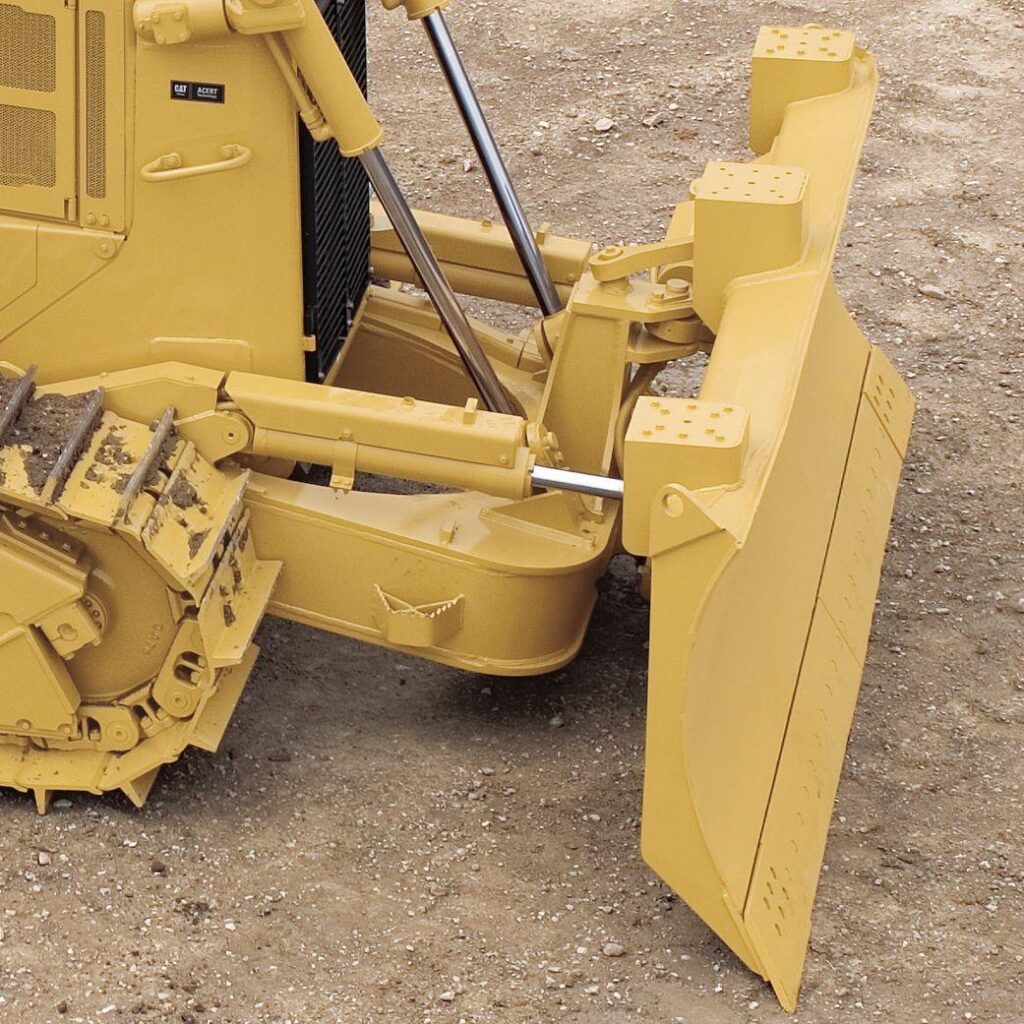
Unlike fixed bulldozer blades, the Angle Blade can be adjusted to direct material either to the left or right.
This feature makes it highly effective when clearing roads, maintaining access routes, or moving material sideways.
In Uganda, Angle Blades are often used during road maintenance projects where operators need to push loose soil or gravel away from the roadway.
They are also useful when clearing debris after heavy rains or preparing construction access roads.
The ability to angle the blade allows operators to work more efficiently while reducing unnecessary machine movements.
Cushion Blade
The Cushion Blade is specifically designed for pushing heavy loads without transferring excessive shock to the bulldozer. It is commonly used when handling scrapers during large-scale earthmoving operations.
Although less common than other bulldozer blades, Cushion Blades are valuable on projects where machines work continuously under heavy loads.
Their design helps protect both the bulldozer and the operator from repeated impact forces.
Power-Angle-Tilt Blade
Modern construction projects increasingly demand versatility, and this is where the Power-Angle-Tilt Blade excels.
This advanced blade allows operators to adjust its angle, tilt, and pitch hydraulically without leaving the cab.
The flexibility offered by this system makes it suitable for grading, slope shaping, drainage work, and precision earthmoving.
If you’re an operator or contractors working on complex infrastructure projects, you stand a chance to benefit from the increased control and efficiency that this blade provides.
As Uganda continues to invest in modern construction equipment, Power-Angle-Tilt technology is becoming more common on high-value projects.
Why it is important to choose the right Bulldozer Blade
Selecting the correct bulldozer blade begins with understanding the nature of the work. Soil conditions, project size, material type, terrain, all influence the choice of blade.
For example, a contractor clearing dense vegetation for agricultural development may require a different blade from one constructing a highway or operating in a quarry.
Matching the blade to the project helps reduce fuel consumption, improves machine performance, and shortens project completion time. One thing to note down is that choosing the right blade for work is very important because it saves a lot of time regarding to the project work to be accomplished.
As a professional operator, always assess the working environment before beginning excavation or earthmoving activities. This simple step often determines the overall efficiency of the project.
How bulldozer blades support Uganda’s growing economy
Uganda’s construction industry continues to expand as new roads, industrial parks, housing developments, airports, and energy projects are established across the country. Bulldozers play a central role in preparing these sites before construction begins.
Whether clearing land for a new school, opening roads in rural communities, or preparing industrial zones, bulldozer blades make these developments possible by moving vast quantities of material quickly and efficiently.
The continued growth of infrastructure projects means skilled bulldozer operators remain in high demand.
Understanding equipment attachments such as bulldozer blades helps you as an operator to become more valuable to employers because they can work more effectively across different project environments.
Why every bulldozer operator should understand blade selection
Operating a bulldozer involves much more than controlling the machine. Every decision made by the operator affects productivity, fuel efficiency, equipment lifespan, and site safety.
if you’re an operator who understands bulldozer blades, you can select the right attachment for the job, reducing unnecessary wear while improving overall performance.
This knowledge also demonstrates professionalism and gives operators greater confidence when working on different construction projects.
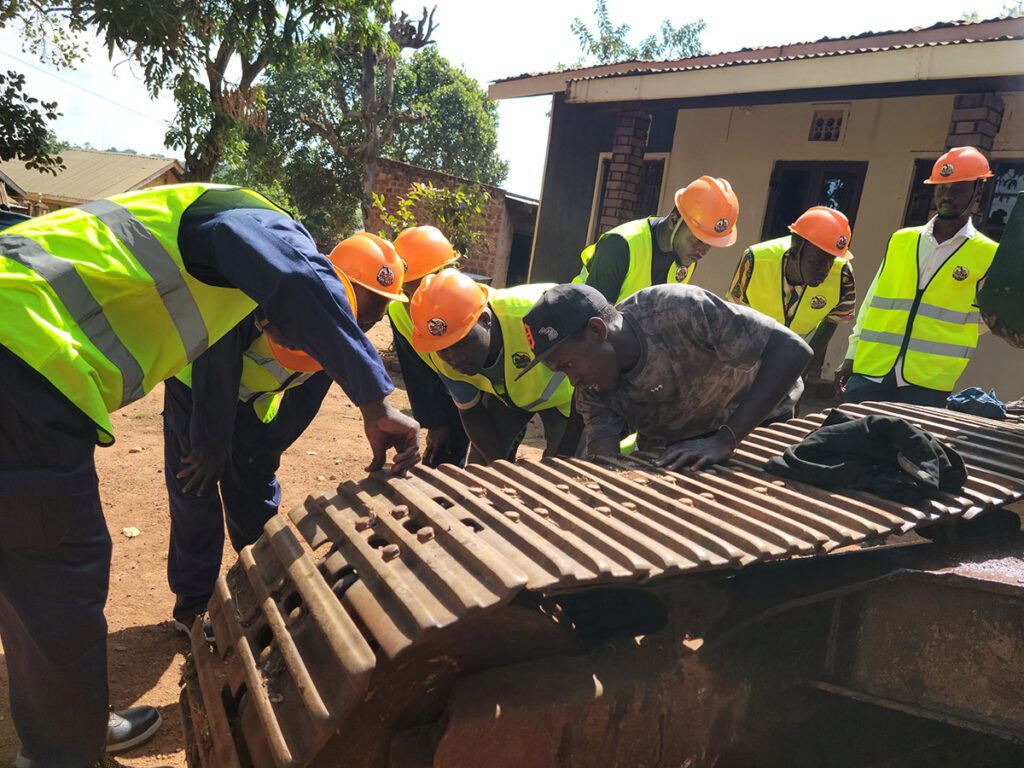
For that matter, FHEMTS trainees are introduced to practical machine operation alongside equipment knowledge that prepares them for real working environments.
Learning about bulldozer blades is part of developing the confidence and technical understanding expected of today’s professional heavy equipment operators.
Let’s have a view on the future of bulldozer operations in Uganda
As Uganda continues investing in transport networks, urban development, oil and gas projects, and agricultural expansion, bulldozers will remain among the most important machines in the construction industry.
Advances in blade design, hydraulic systems, and machine technology are making these machines even more efficient and versatile.
If you’re an aspiring operator, this presents exciting opportunities. Employers increasingly prefer individuals who understand both machine operation and equipment applications.
By building this knowledge, you position yourself for a rewarding career in one of Uganda’s fastest-growing industries.
Institutions such as FHEMTS continue to equip learners with practical training that reflects current industry demands, helping graduates develop the skills required to operate heavy machinery safely and professionally.
Conclusion
Understanding bulldozer blades is essential if you want to appreciate how bulldozers perform such a wide variety of tasks across Uganda’s construction industry.
Each blade is designed with a specific purpose, and selecting the correct one improves efficiency, reduces operating costs, and produces better project outcomes.
Whether you are interested in becoming a bulldozer operator, working in construction, or expanding your knowledge of heavy equipment, understanding the different types of bulldozer blades gives you a valuable advantage.
If you are ready to build a successful career in heavy machinery operation, take the next step by enrolling in professional training that combines classroom instruction with practical experience.
The skills you gain today could become the foundation of a rewarding future in Uganda’s thriving construction industry.