Why Construction Companies Reject Some Machine Operators
Why Construction Companies Reject Some Machine Operators
Construction Companies Reject Some Machine Operators
Two candidates walk into a recruitment assessment for a machine operator position. Both have certificates showing that they completed heavy equipment training, and both are confident about their ability to operate.
However, the employer is not simply interested in the documents they present. What matters most is what each candidate can demonstrate when given control of a machine.
One may struggle to follow instructions, maintain proper control or recognize potential hazards, while the other handles the assessment with confidence, precision and an understanding of safety.
Despite having similar qualifications, only one may leave with a job opportunity.
This raises an important question: what makes an employer choose one machine operator over another? Holding a certificate is a valuable first step, but it does not automatically prove that you are ready for the demands of a construction site.
Your practical ability, attitude, communication and approach to safety all influence whether a company will trust you with its equipment, workers and projects.
With that all stated what employers look for exactly before hiring?
A construction company needs more than someone who can start an engine and move a machine.
It needs an operator who understands the responsibility of controlling expensive equipment around workers, vehicles and active construction activities. Your ability, judgement and attitude influence that decision.
But why do companies reject some machine operators
Can you operate the machine independently?
Companies reject some machine operators when they cannot demonstrate the practical ability required for the job.
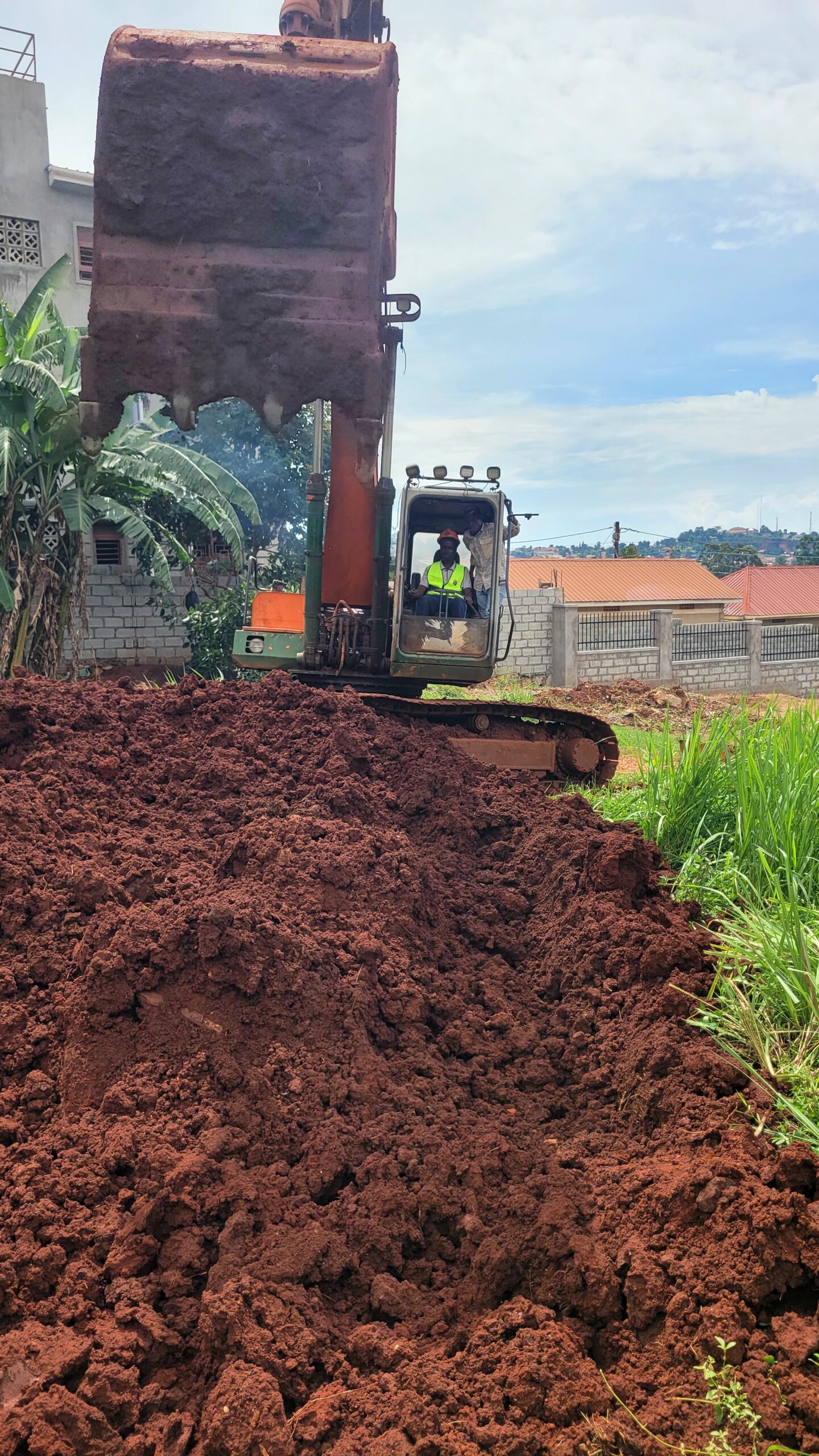
An excavator operator may need to dig a trench to a specified depth, load a truck and position the machine safely in a restricted area. A forklift operator must move and place loads accurately.
If you struggle with controls, coordination or positioning during an assessment, an employer may question your readiness. Know the machine you claim to operate and explain the tasks you have practiced.
Training gives you a foundation, while repeated practical experience builds confidence and consistency.
Do you put safety first?
Construction sites contain moving machinery, pedestrians, uneven ground and suspended loads.
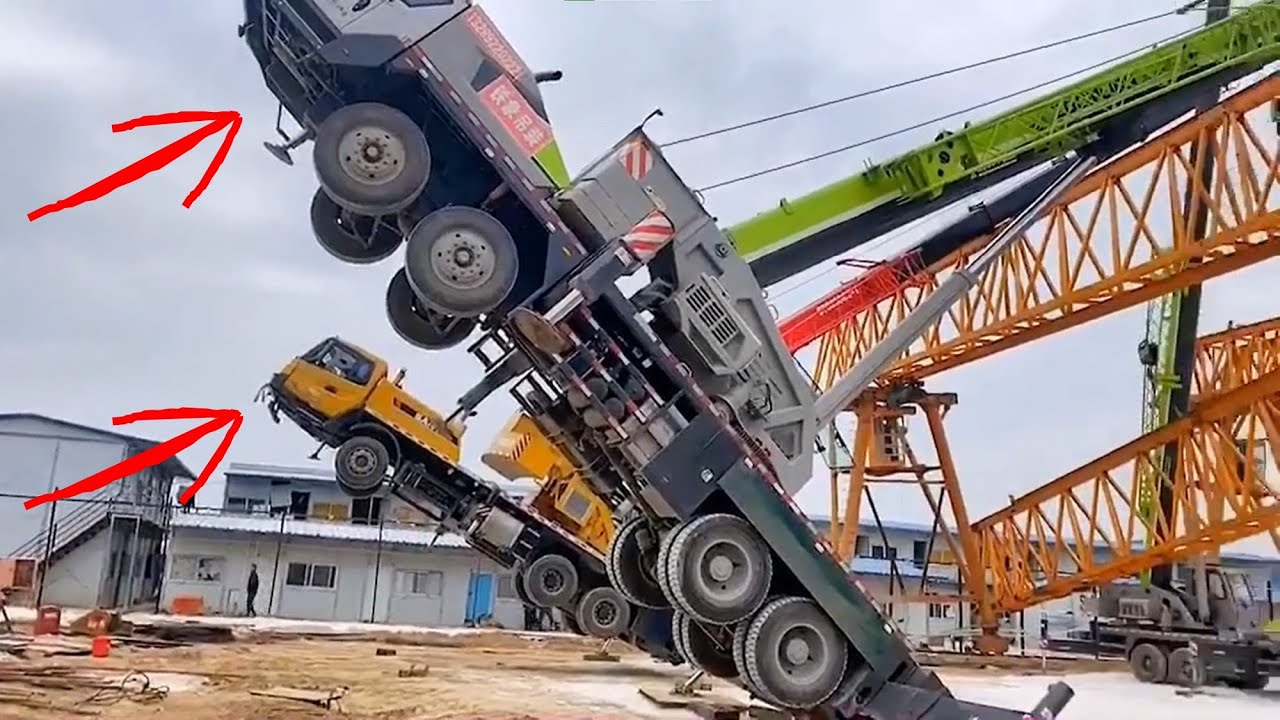
Reversing without checking, carrying an unstable load or ignoring a warning indicator can cause injuries, damage and costly delays.
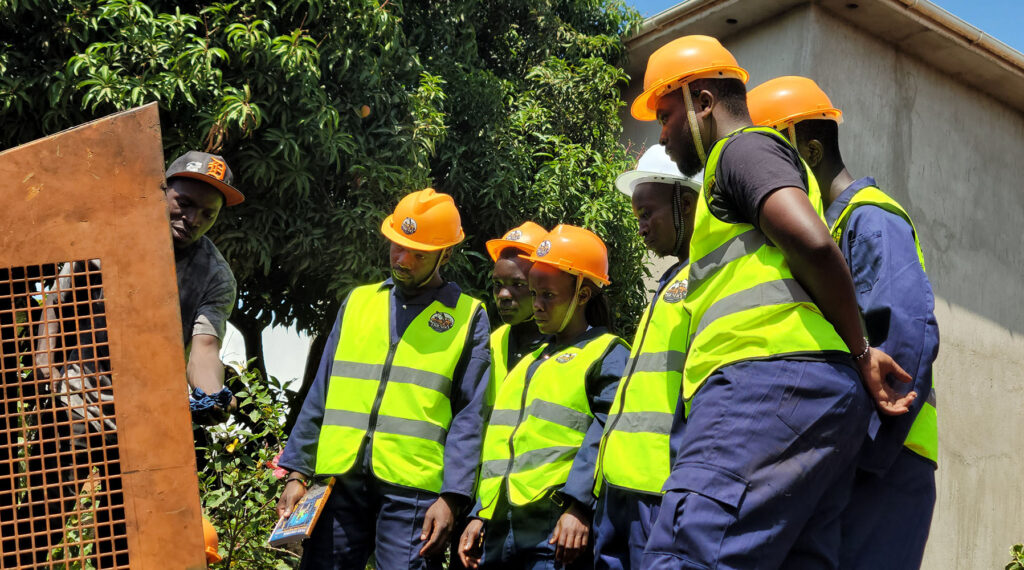
Companies reject some machine operators who treat safety as an afterthought. Show that you can identify hazards, respect exclusion zones, use protective equipment and follow site procedures. Recognize unsafe tasks and stop to seek guidance.
Can you understand and follow instructions?
You will receive directions from supervisors, engineers, foremen, banksmen and signalers. Understand the task, work area and operating limits before moving.
If a supervisor warns you about an underground service or asks you to wait for a signal, do not proceed until the instruction is clear.
Companies reject some machine operators who repeatedly ignore directions because their decisions can put people and property at risk.
Listen carefully, ask questions when information is unclear and confirm important instructions before acting. Clear communication prevents mistakes.
A construction site depends on people and machines working together. An excavator may load a dump truck while a wheel loader moves material nearby and ground workers guide the activity.
If you ignore signals, refuse to cooperate or make unexpected movements, you can interrupt work and create danger. Companies reject machine some operators who cannot work respectfully with colleagues.
Remain professional, communicate clearly and understand how your role affects the wider project. Other workers depend on your decisions and coordination.
Do you understand the machine’s condition?
Know the machine’s components and complete the required checks before operation. Check tyres or tracks, attachments, hydraulic hoses, brakes, lights and visible leaks.
Companies reject machine operators who ignore defects or continue working when equipment may be unsafe. Watch for unusual sounds, overheating and warning lights.
Report problems promptly instead of hiding a fault or attempting repairs beyond your knowledge.
Are you honest about your experience?
Claiming experience you do not have may improve your application, but a practical assessment can expose the truth. Exaggerating your abilities damages trust and may place you in a job you are not prepared to handle.
Companies reject machine operators who misrepresent their experience because employers need reliable information when assigning equipment. State which machines you trained on, what you practised and where you need guidance.
“One thing to note down is confidence matters, but it must be supported by ability”.
Why heavy equipment training is important
Good heavy equipment training develops the practical skills and safety awareness employers expect.
You learn controls, inspections, operating tasks and responses to common site situations. With proper guidance, you can correct mistakes before they become unsafe habits.
Companies reject machine operators who rely on certificates without demonstrating what they have learned. A certificate confirms course completion; your performance and judgement show your readiness.
Companies reject machine operators who cannot turn classroom knowledge into safe, consistent performance when real site conditions demand sound decisions consistently.
Guided practical excavation training
Choose training that provides meaningful practice, safety instruction and feedback on your progress.
If you want to improve your skills and prepare for opportunities in the heavy equipment industry, practical training is an important step. Enrol with FHEMTS and build the skills employers expect.