

Work abroad after heavy machinery training in Uganda
What if the skill you’ve just learned could take you beyond Uganda onto construction sites in cities you’ve only seen in pictures?
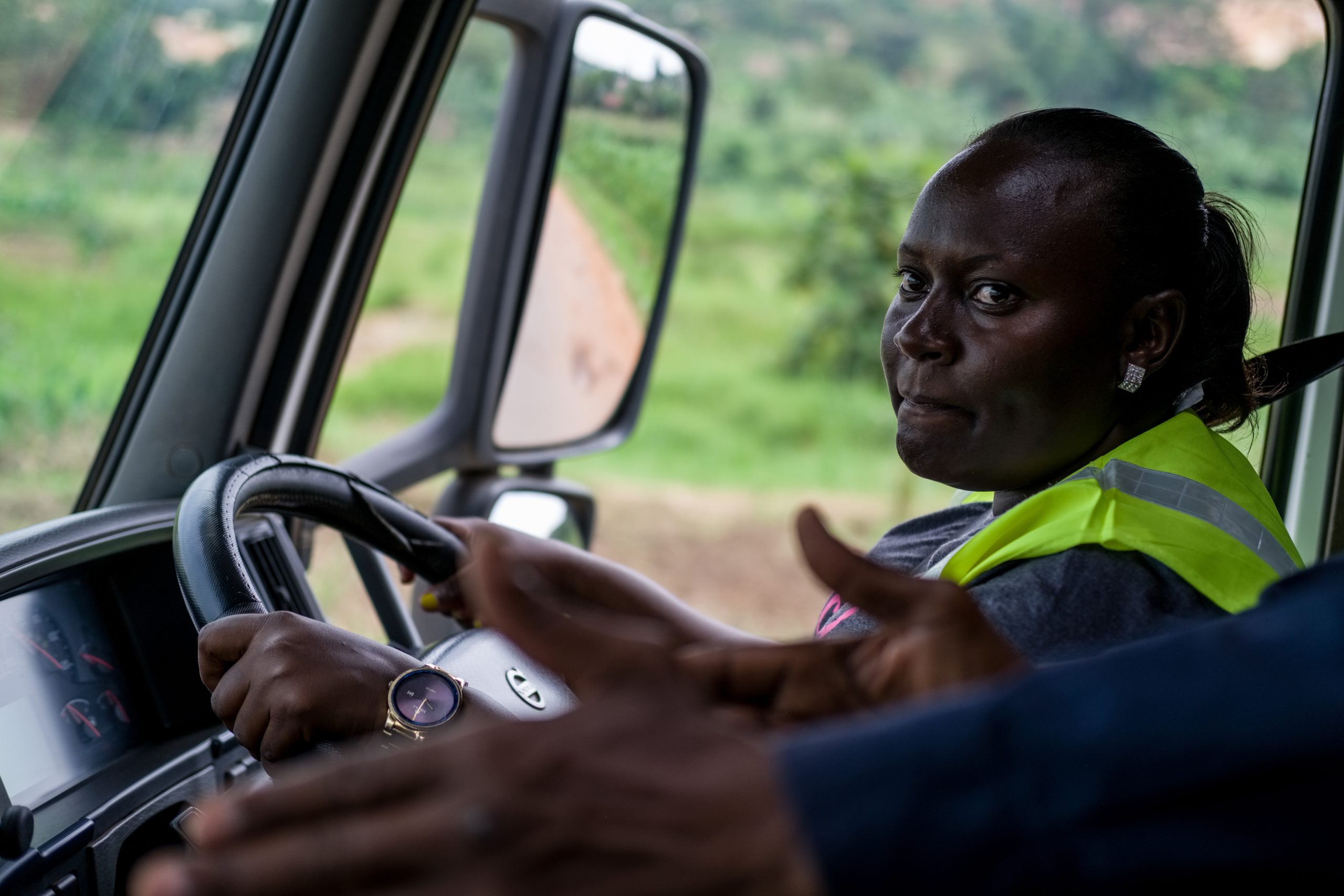
You probably remember your first time sitting in the operator’s seat at FHEMTS. The engine humming beneath you, your hands steady on the controls, your focus sharp as you tried to get every movement right.
At first, it felt unfamiliar. But with time, it became something you could handle with confidence. Now your training is complete, and one question keeps returning: what next?
You look at construction sites around you and begin to wonder if this skill is valuable here, could it open doors for me abroad?
You may have heard stories of someone working in the Middle East or Canada, operating the same machines you trained on. it is now tome for you to find ways to work abroad
Have it in mind that now those stories no longer feel distant but they feel possible. And they are. You can work abroad after heavy machinery training in Uganda. But it won’t happen by chance.
It will happen when you take deliberate steps, prepare yourself properly, and understand exactly what is required. Let’s walk through what that means for you.
The global demand for heavy machinery operators
Take a moment and think beyond your immediate environment. Across the world, construction never stops.
As cities grow and urbanization increases, the need for strong infrastructure rises, driving demand for advanced heavy machinery operators. This is now the right time for you to believe you can work abroad
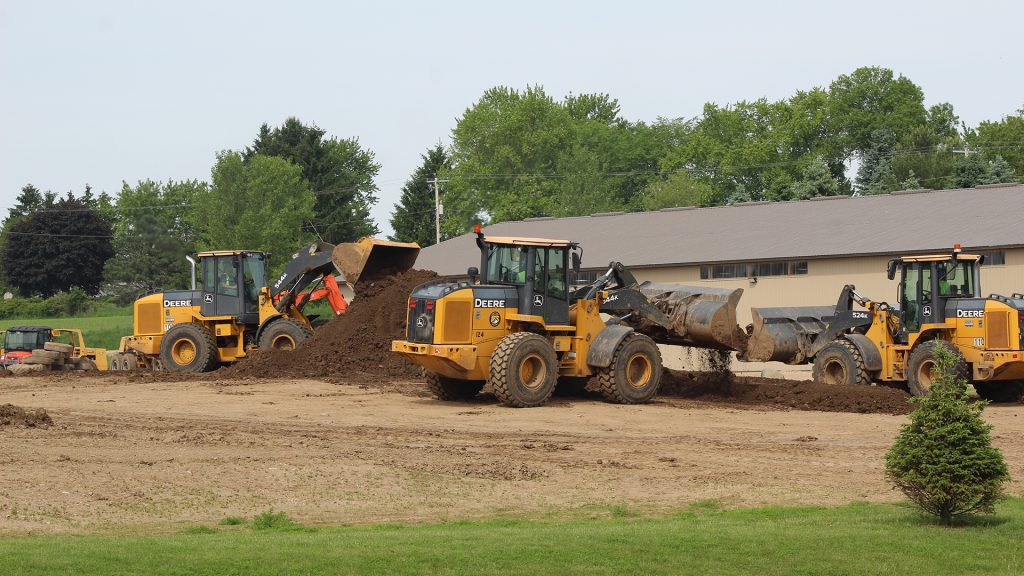
Roads are being built, cities are expanding, and industries are growing leading to a boost in construction activities. Behind all this development is one key role and that is the role of the heavy machinery operator.
Countries like the US, UAE, Canada, and Australia continue to look for skilled operators who can handle equipment efficiently and safely.
That means your skill has value beyond where you are right now. But here’s the truth you must position yourself to take advantage of that demand. The opportunity exists, but it’s up to you to prepare for it.
Before we continue, have a look at what employers look for in international operator
When an employer abroad looks at your application, they are not just checking if you completed training.
They are asking:
- Can you operate machinery with confidence?
- Do you follow safety procedures without being reminded?
- Can you adapt quickly to a new work environment?
- Can you communicate clearly when given instructions?
You need to prove that you are not just trained but you are ready to perform. So instead of asking yourself, Do I have a certificate? ask, Am I ready to work at an international level?
That mindset will guide everything you do next.
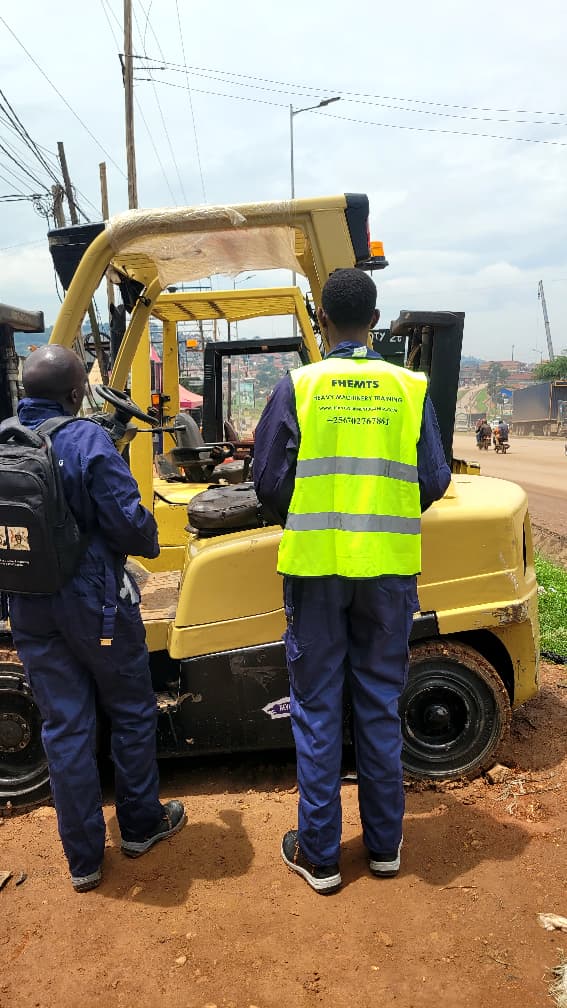
The importance of certification and standards
Your certificate is your starting point, but its quality matters.
If your training was practical and hands-on, it gives you a real advantage. It shows that you have worked with actual machines and understand how to operate them safely.
In some cases, you may need to align your certification with international standards depending on where you want to go.
When your foundation is strong, this step becomes much easier for you to work abroad. Think of your certificate as your professional identity. It should represent your real ability not just attendance.
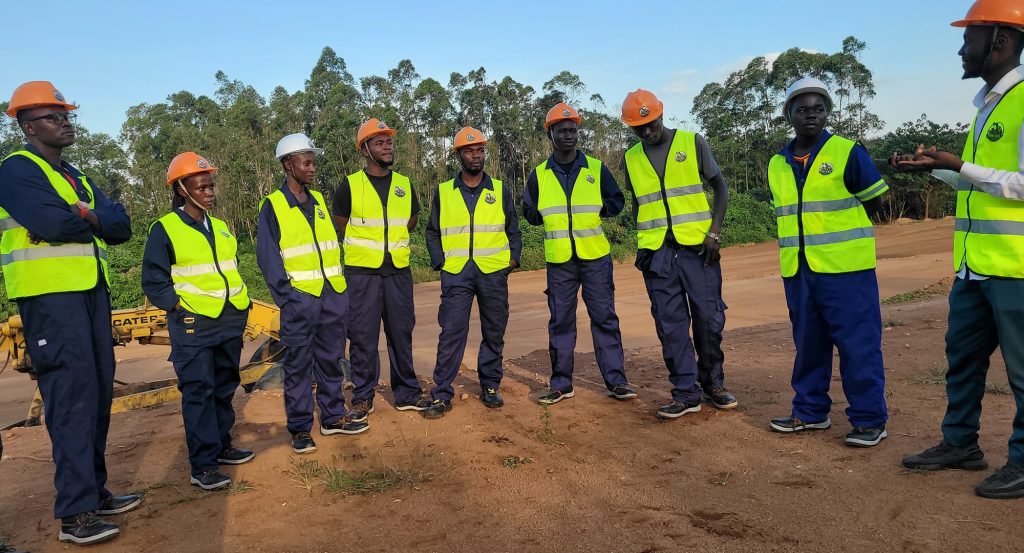
In our institute trainees are given these certificates to certify them as operators but as well boost their chances of working abroad in case of any opportunities they might get.
Preparing the required documentation
Opportunity can come at any time but only if you are ready. You need to prepare your documents early so you don’t miss your chance. Make sure you have:
- Your training certificate
- A clear and professional CV
- A valid passport
- Proof of any work experience
When your documents are complete, you present yourself as someone serious and prepared. That alone can set you apart.
As you think of working abroad, there is one thing you need to do first; Gaining local experience first
You might feel ready to leave immediately after training but experience is what will truly prepare you.
When you take time to work locally, you build confidence. You learn how machines behave in real conditions.
You understand how to handle pressure, solve problems, and work with others on-site. This experience becomes your strongest advantage when applying abroad.
It shows that you are not just trained you are capable.