

Did you know that a heavy machine can look ready for work while hiding a problem that could cost thousands to repair? Daily machine inspections may take only a few minutes, but those few minutes can determine whether a machine completes a full working day or ends up sitting idle because of an expensive mechanical problem.
But what exactly should an operator check before starting a machine, and how can a simple inspection prevent a minor fault from becoming a major breakdown?
For operators working with excavators, forklifts, bulldozers, motor graders, wheel loaders, tractors and other heavy equipment, checking the machine before operation should never be treated as an unnecessary routine.
Daily machine inspections are an important part of responsible machine operation because they help identify potential problems before they develop into serious failures.
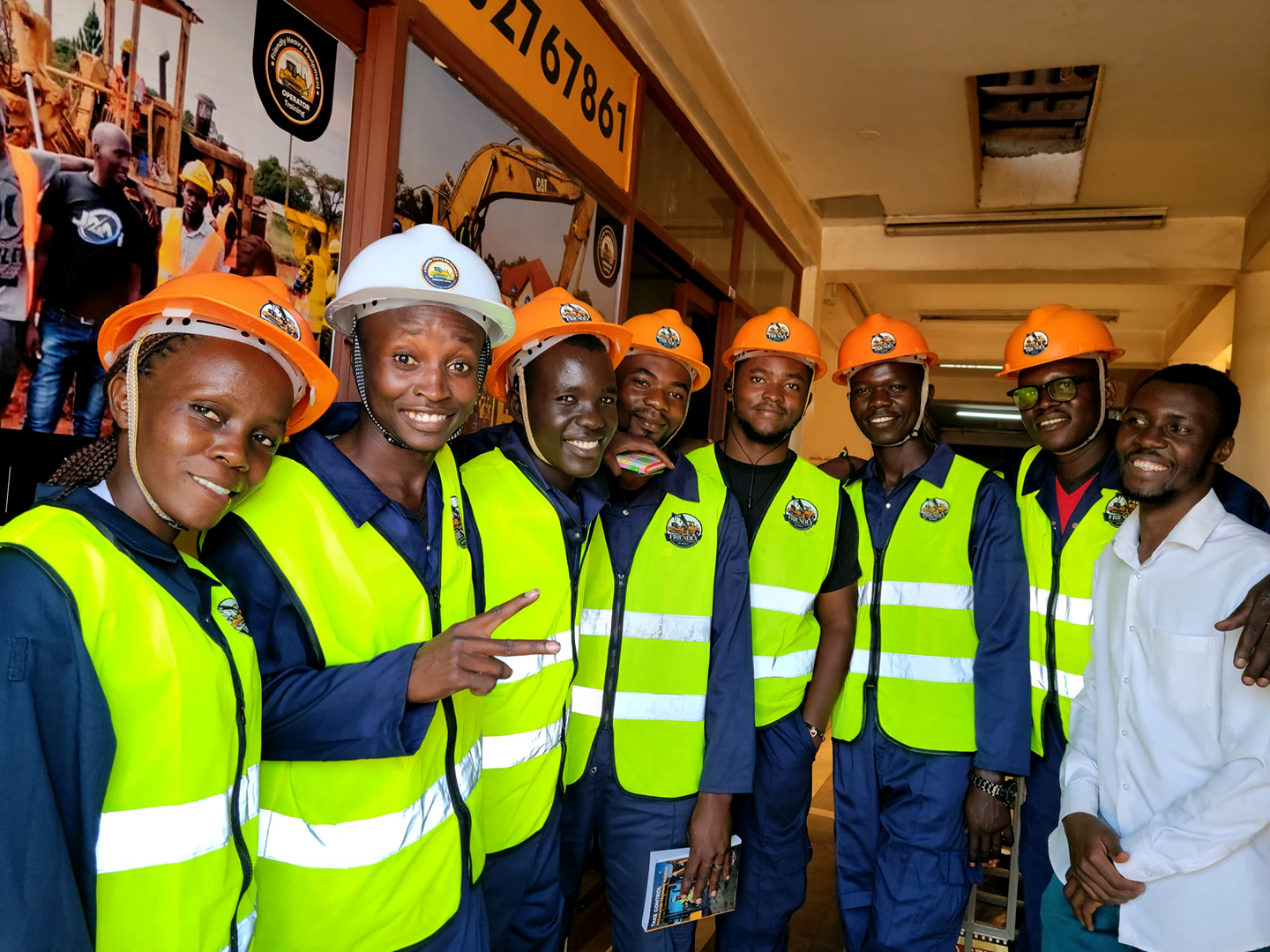
When you look at how training is conducted at FHEMTS, it involves more than knowing how to control a machine. A competent operator should also understand machine condition, basic inspection, safety and the importance of reporting faults.
Why are daily machine inspections so important?
Heavy equipment operates under demanding conditions. Machines often work for long hours and operate on rough, dusty or uneven terrain. These conditions place continuous pressure on engines, hydraulic systems, tires, tracks, attachments and other components.
Because of this, machines can gradually develop faults through normal use. A hydraulic hose may begin to leak, a tire may lose pressure, an attachment may become loose or an engine may start producing an unusual sound.
The problem is that small faults are easy to overlook when an operator is focused only on completing the day’s work. Daily machine inspections gives you an opportunity to examine the machine before demanding work begins and identify anything that appears damaged, unusual or unsafe.
The operator does not necessarily have to diagnose or repair the problem. Their responsibility is to recognize warning signs and report them to the appropriate person before the machine is put under unnecessary stress.
Small faults can become major breakdowns
A machine does not always experience a major breakdown suddenly. In many cases, a serious problem develops from a smaller fault that was ignored.
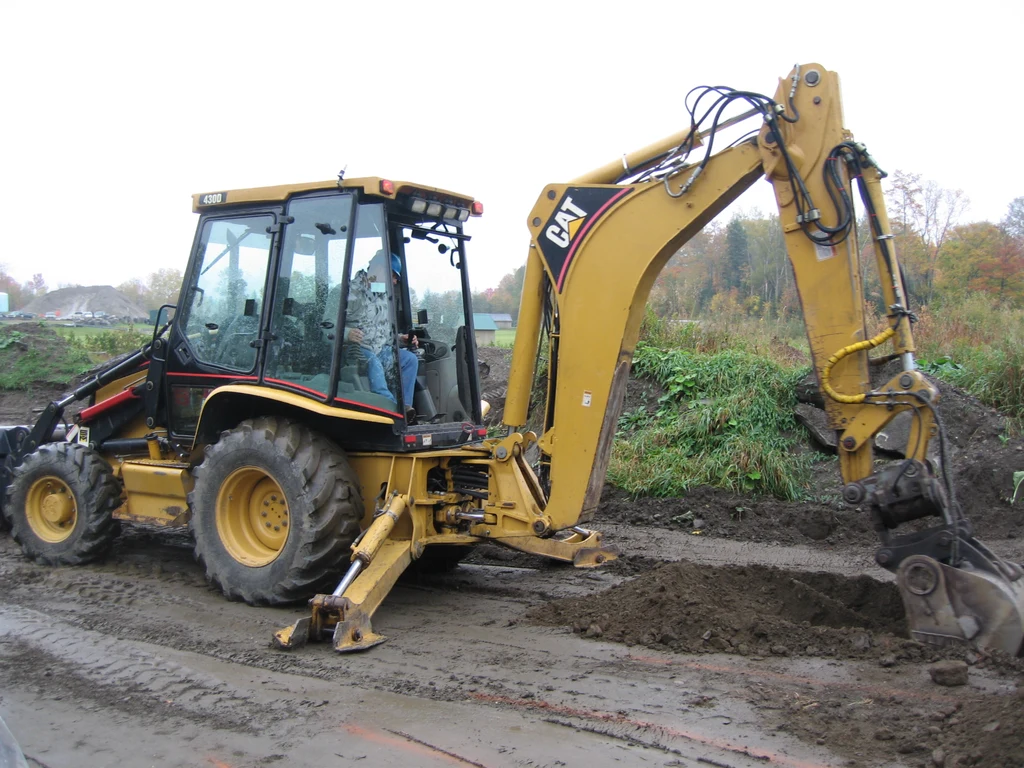
Imagine an excavator with a small hydraulic leak. At first, the machine may continue operating normally, making the problem easy to dismiss.
However, as the machine continues working, the leak could become worse, hydraulic performance may decline and additional components could eventually be affected.
What started as a relatively small issue could result in expensive repairs and significant downtime. This is one reason daily machine inspections are so valuable. They help identify problems when they may still be easier and less expensive to address.
The same principle applies to engine oil, coolant, tires, tracks, brakes, electrical systems and attachments. Early detection can make a significant difference to equipment reliability.
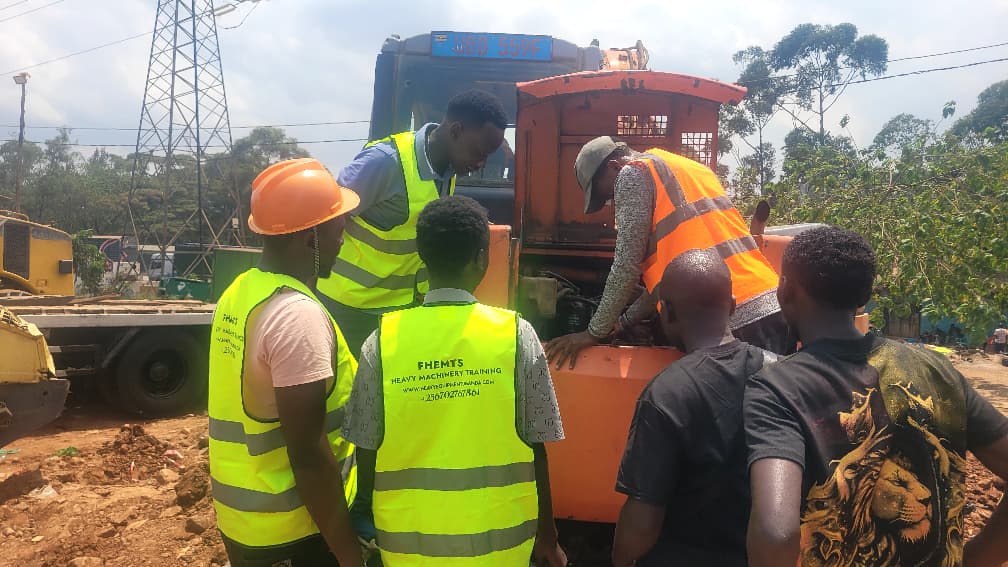
Daily inspections help reduce equipment downtime
Downtime can be expensive for businesses that depend on heavy machinery. Consider a construction project where an excavator is responsible for digging trenches and loading material.
If that excavator develops a major problem during the working day, workers may have to wait, trucks may remain idle and project schedules may be affected.
The company may also need to arrange emergency repairs or find replacement equipment. One thing to note is that daily machine inspections cannot prevent every mechanical failure, but they give you and maintenance teams a better opportunity to identify developing problems before they become major disruptions.
Instead of discovering a problem after the machine fails, the operator may notice it early enough for maintenance to be planned.
What should an operator check before starting a machine?
An effective inspection should begin before the machine is put into operation. The operator should first observe the general condition of the equipment.
A walk-around inspection can reveal visible damage, fluid leaks, loose components, damaged hoses, worn tyres, damaged tracks or problems with attachments.
Fluid levels should also be checked according to the manufacturer’s instructions. Depending on the machine, this may include engine oil, coolant, hydraulic oil and other required fluids.
Safety equipment also deserves attention. Lights, mirrors, alarms, warning devices, seat belts, access steps and other safety features should be in suitable working condition before operation begins.
The inspection should not be rushed simply because the operator has used the machine many times before. Familiarity can sometimes create overconfidence, causing important warning signs to be overlooked.
Listen to the machine after starting
Inspection does not end when the operator enters the cab. After starting the machine, the operator should pay attention to how it sounds, moves and responds.
Unusual engine noises, excessive smoke, abnormal vibrations, warning lights or unexpected changes in performance may indicate that something needs attention.
An experienced operator develops an understanding of what normal machine behavior feels and sounds like. When something changes, that operator may be among the first people able to recognize it.
For example, an excavator that suddenly responds more slowly, a forklift that develops an unusual steering problem or a wheel loader that produces an unfamiliar noise should not simply be ignored.
Daily machine inspections should therefore involve both visual checks and awareness of machine behavior after startup.
Never ignore warning signs
One of the most dangerous habits in heavy equipment operation is ignoring warning signs because the machine is still working.
A small oil leak may not immediately stop an excavator.
A damaged tire may not immediately prevent a forklift from moving. An unusual engine sound may not immediately cause a machine to fail.
However, the fact that a machine is still operating does not necessarily mean it is safe or healthy. When a serious fault is suspected, the machine should be made safe and the problem reported to the responsible supervisor or qualified technician.
Continuing to operate equipment simply because stopping work is inconvenient can turn a manageable problem into an expensive breakdown or safety incident.
Follow the manufacturer’s inspection procedures
Every heavy machine is different. Although general inspection principles apply across many types of equipment, operators should always follow the manufacturer’s recommendations for the specific machine.
The operator’s manual can provide important information about inspection procedures, fluid levels, lubrication, service intervals, safety systems and operating requirements.
This is especially important when an operator works with different brands or models. A procedure that applies to one machine may not necessarily apply to another.
Professional training should therefore encourage operators to combine practical knowledge with manufacturer guidance. At FHEMTS, we ensure that our trainees develop an understanding of the responsibilities involved in operating heavy equipment, including the importance of checking machine condition before beginning work.
Operators play an important role in machine maintenance
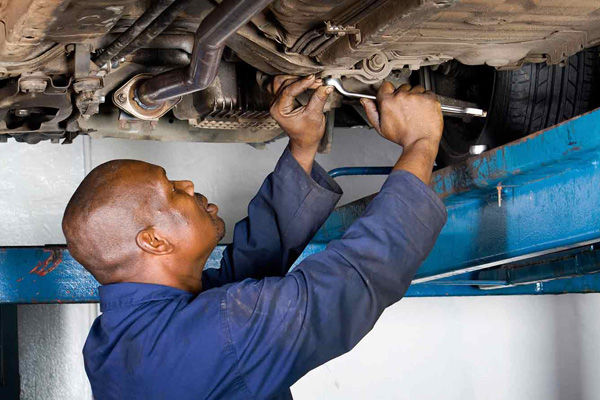
Machine maintenance is not the responsibility of the mechanic alone. A qualified mechanic may be responsible for servicing, diagnosing and repairing equipment, but the operator often spends the most time working with the machine.
This means the operator can be the first person to notice changes in performance. As a professional operator you should be able to report observations such as unusual noises, fluid leaks, reduced performance, abnormal vibrations or warning lights to the relevant supervisor or maintenance team.
You as an operator you don’t need to become a mechanic. However, understanding basic machine condition and recognizing warning signs can make the operator a more responsible and valuable member of the team.